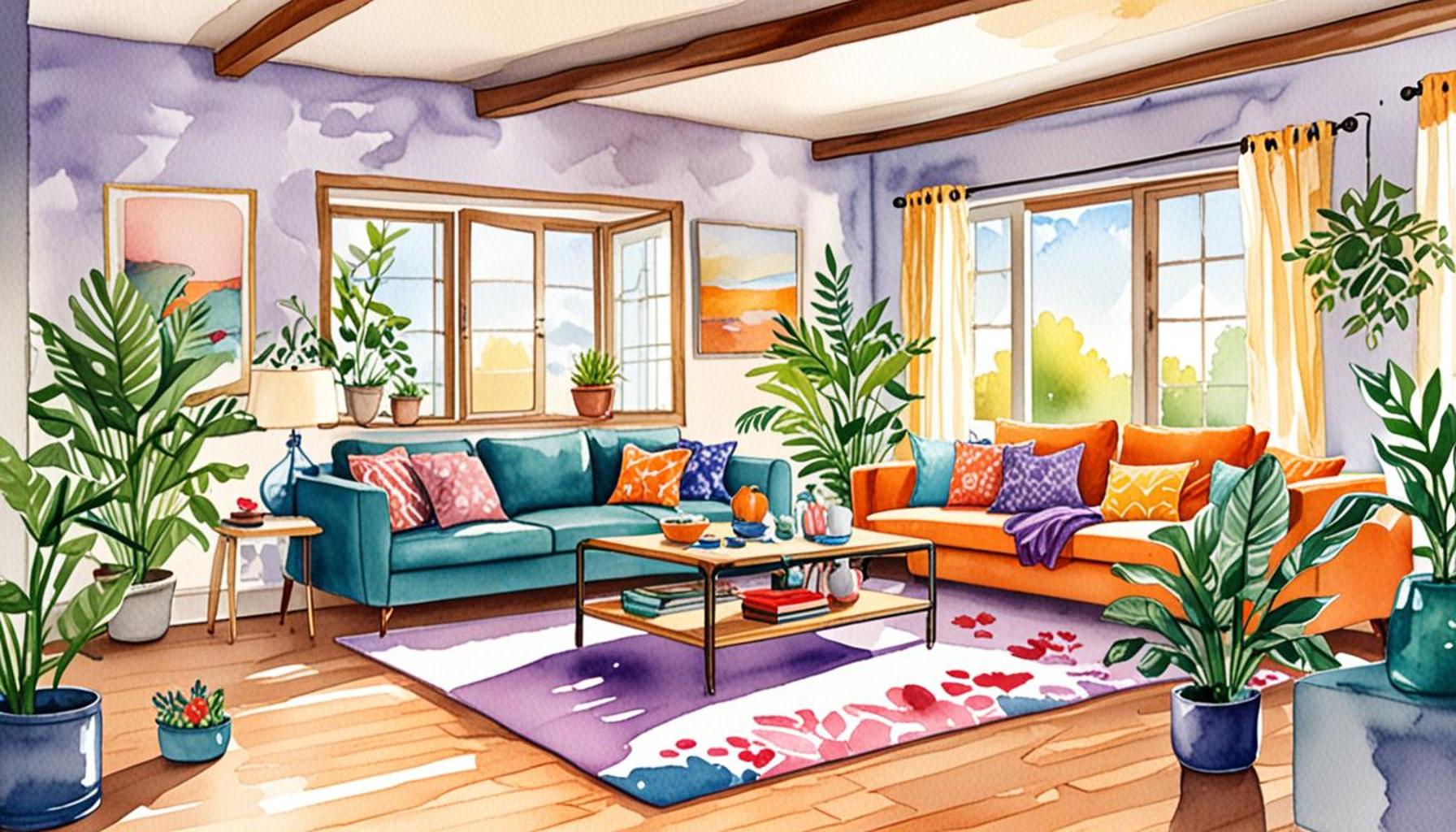
The Connection between Simplified Living and Stress Reduction: Creating Calm Environments
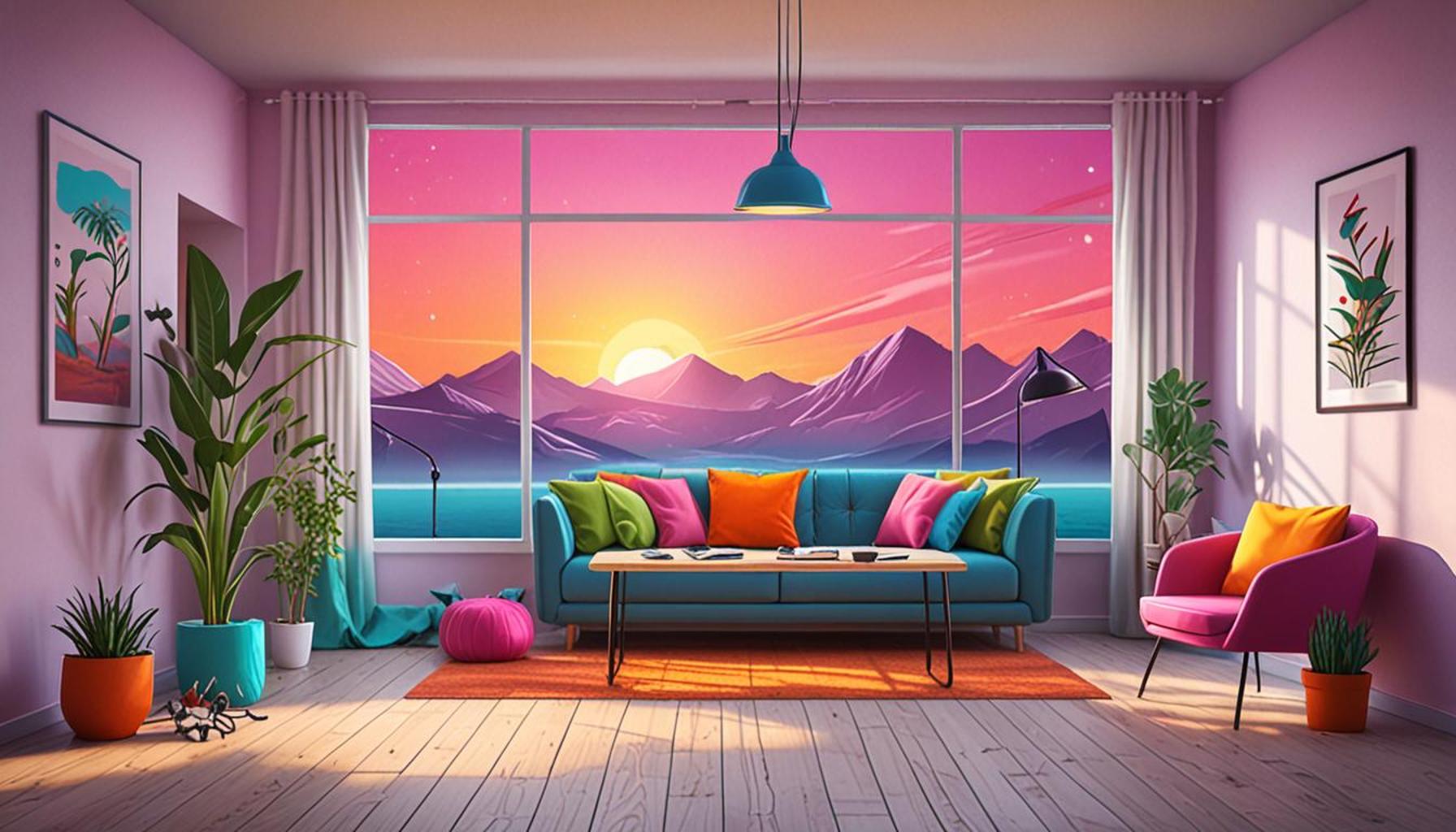
The Dynamics of Space and Its Influence on Mental Well-Being
In today’s high-speed society, where the chatter of obligations often drowns out moments of mindfulness, the quest for stress reduction is more pertinent than ever. Individuals are increasingly turning to simplified living as a serene retreat from daily chaos. Studies have shown that the environment surrounding us can have a profound impact on our mental health, shaping our mood, productivity, and sense of contentment.
One of the most immediate ways to foster tranquility is through clutter reduction. A tidy space encourages a clearer mind, allowing one to focus on essential tasks without distractions. For instance, research highlights that individuals operating in cluttered environments often face heightened levels of stress and anxiety. By implementing the practice of decluttering, one can not only enhance physical beauty but also cultivate an inner sense of calm. Organizing one’s workspace—removing excess items and creating designated zones for daily tasks—can significantly improve focus and performance.
- Minimalist Design: Adopting simple aesthetics does not merely beautify a space; it can also lead to improved concentration. Minimalist design, characterized by clean lines and a lack of superfluous elements, maintains visual tranquility. Consider the popular trend of Scandinavian interiors, which embrace functionality and minimal decor, helping residents breathe easier and think more clearly.
- Natural Elements: Bringing the outdoors in can produce a peaceful atmosphere. Studies suggest that exposure to natural elements—be it through houseplants, natural light, or even images of landscapes—can elevate mood and lower stress. For instance, the use of greenery in office settings has been linked to increased creativity and reduced feelings of fatigue.
- Intentional Spaces: Thoughtfully designed rooms, tailored to invite relaxation, can boost overall well-being. Creating tranquil music rooms or quiet nooks filled with pillows and books encourages respite. For many, having a dedicated meditation area with soft lighting helps facilitate mindfulness practices, fostering emotional health.
Adopting a lifestyle of simplified living ultimately means prioritizing the elements that resonate with us and offer genuine comfort. This lifestyle promotes the elimination of distractions and the cultivation of spaces that nurture serenity. The implications of simplicity reach far beyond aesthetics; they prompt us to examine our habits, possessions, and the emotional weight they carry. As we continue to explore the intricate relationship between our surroundings and stress levels, the benefits of creating simple, serene environments become increasingly clear.
Join us in this enlightening journey, where we will delve into practical strategies and insights for developing calming environments that not only enhance the aesthetics of our living spaces but also profoundly improve our mental clarity and emotional health. Together, we can experience a shift towards a more peaceful existence.
DIVE DEEPER: Click here to discover minimalist living tips
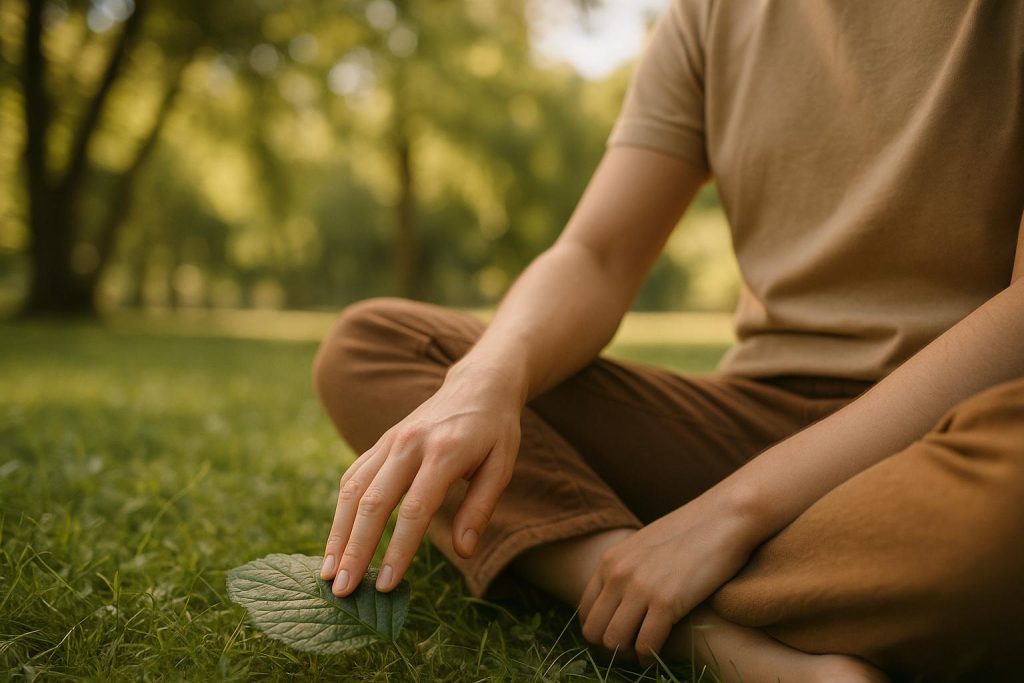
Understanding the Psychological Impact of Clutter
As we navigate our lives, the spaces we inhabit profoundly affect our emotional state. The concept of simplified living serves as an antidote to the sensory overload prevalent in modern society. But how does the presence of clutter tie directly to our levels of stress? Cognitive psychology provides valuable insights, illustrating that clutter often signals unfinished tasks and chaotic energy, creating unnecessary mental strain.
According to a study conducted by the Princeton University Neuroscience Institute, clutter can significantly reduce our ability to focus. The researchers found that participants operating in disorganized spaces exhibited higher levels of cognitive overload, as their brains struggled to process information amidst the chaos. This phenomenon explains why the act of decluttering can yield immediate results—when spaces are simplified, so too are our thoughts.
The Role of Organizing in Stress Relief
Effective organization can pave the way for a more serene environment, ultimately reducing stress. Here are several strategies to encourage a calming atmosphere within your space:
- Decluttering Rituals: Establishing regular decluttering routines, whether monthly or seasonally, can help maintain order. Consider adopting the “one in, one out” rule: for every new item introduced into your living space, an old one must be removed.
- Designated Spaces: Create specific zones for various activities—work, relaxation, and hobbies. This clear delineation not only helps streamline tasks but also fosters a sense of control and structure in your daily life.
- Personalized Organization: Use tools and bins that resonate with your style. Personalizing your organization system makes it more likely that you will adhere to it, providing both functional benefits and aesthetic pleasure.
Incorporating these organizational methods can transform cluttered environments into havens of peace. As a result, individuals may find themselves feeling rejuvenated and focused, with the mental clarity needed to tackle life’s challenges. By prioritizing simplicity in our spaces, we pave the way for reduced anxiety and improved emotional health.
Creating a Sense of Calm with Color and Textures
Beyond clutter, the colors and textures within our environments play a pivotal role in shaping our moods. Research indicates that color psychology significantly impacts emotional well-being. Shades of blue and green, for example, are often associated with tranquility and relaxation, while bright reds and yellows can evoke feelings of excitement or anxiety. Thus, choosing a soft, calming palette can enhance the soothing atmosphere of a space.
Furthermore, the textures we incorporate can yield comfort and coziness. Soft textiles, such as plush rugs and cushy throws, invoke feelings of safety, inviting relaxation. As we explore the connection between simplified living and stress reduction, creating atmospheres that are visually and tangibly calming will be paramount in supporting mental well-being.
In this exploration, it becomes evident that crafting serene environments hinges not only on removing clutter but also on thoughtful consideration of our sensory experiences. This journey towards a simplified lifestyle is an ongoing quest for tranquility and peace in an increasingly hectic world.
| Advantages | Key Characteristics |
|---|---|
| Enhanced Focus | A clutter-free space promotes better concentration and productivity. |
| Emotional Well-being | Simplicity fosters a sense of peace and reduces anxiety levels. |
| Physical Space Optimization | Organizing environments enhances mobility and reduces stressors. |
| Time Management | Simplified living allows for more efficient use of time for self-care activities. |
Simplified living is intricately linked to stress reduction, particularly in the formation of calm environments. By strategically eliminating excess and organizing our personal spaces, we not only enhance productivity but also promote a healthier emotional state. A tranquil setting leads to increased focus and clarity, allowing for deeper engagement in daily tasks. Furthermore, reduced clutter invites a greater sense of physical mobility, ensuring that we navigate our environments with ease. Time management also sees notable improvements; having less chaos enables individuals to dedicate more moments to relaxation and self-care. As we delve into this connection, we discover that fostering a simpler lifestyle can be a transformative journey, inherently leading to heightened well-being and peace of mind. The ripple effects of creating calm environments merit further exploration and personal application.
DISCOVER MORE: Click here to enhance your productivity
Nature’s Influence: Bringing the Outdoors Inside
The therapeutic effects of nature on mental health are well-documented, making it an essential aspect of simplified living. Incorporating natural elements into our homes can significantly reduce stress and create a sense of calm. Biophilic design, a concept that emphasizes human connection to nature, highlights the psychological benefits of surrounding ourselves with greenery and natural light. Studies have shown that exposure to plants and natural environments can lower levels of the stress hormone cortisol and promote healing.
One effective method to enhance your space with natural elements is through indoor plants. Research from NASA has identified specific plants that can purify indoor air, further contributing to mental well-being. For instance, adding peace lilies, snake plants, or pothos can improve air quality and create a more tranquil environment. In addition to their air-purifying qualities, these plants add a vibrant touch to any room, fostering a visual connection with nature that encourages relaxation.
The Power of Minimalism in Everyday Life
Minimalism has gained popularity as more individuals seek to declutter their lives—not just their physical spaces but their mental landscapes as well. Embracing a minimalist lifestyle encourages individuals to prioritize the essentials and eliminate the superfluous, endorsing the idea that less truly can be more. Research shows that those who adopt minimalist principles often report lower levels of stress and higher levels of satisfaction in their lives.
Adopting minimalist principles involves critical evaluation of belongings and commitments. One effective strategy is the “30-Day Minimalism Game,” where participants eliminate one item on the first day, two items on the second day, and so forth for thirty days. This approach fosters a gradual transition to a simplified lifestyle without feeling overwhelming. Moreover, individuals often rediscover what truly matters, leading to more intentional living and reduced decision fatigue.
- Intentional Consumption: Modern consumption habits can contribute to clutter and stress; mindful purchasing encourages individuals to consider the purpose and value of each new item before acquiring it.
- Quality Over Quantity: Investing in fewer, high-quality items creates a sense of stability and peace, as these items often have more enduring value and significance.
- Digital Decluttering: In an age dominated by technology, decluttering digital devices can also foster a calmer mindset. Organizing files, unsubscribing from unnecessary emails, and limiting social media usage are steps that create a more peaceful digital landscape.
By cultivating a minimalist approach, we can foster environments that are conducive to relaxation and clarity. The simplification of our surroundings frees us from distractions and enables us to focus on our well-being. In this pursuit, individuals often find that their emotional and psychological burdens lessen, allowing for a more fulfilling connection with their spaces.
The Integration of Mindfulness Practices
Another facet of creating calm environments involves integrating mindfulness into daily routines. Mindfulness encourages present-moment awareness, which can dramatically shift our perceptions of stress. Simple practices such as mindful breathing or meditation can dramatically impact how we experience and respond to stressors.
Creating designated mindfulness spaces within your home can enhance this practice. Whether it be a cozy corner with cushions for meditation or a quiet nook for reading, having a specific spot for mindfulness helps reinforce the habit. Adding elements such as candles, calming scents, or soft lighting can further enhance these areas, ensuring your mind remains at ease amid day-to-day chaos.
In exploring the connection between simplified living and stress reduction, it’s clear that creating calm environments requires a multifaceted approach. By integrating natural elements, embracing minimalism, and practicing mindfulness, individuals can cultivate spaces that not only reflect simplicity but also foster emotional and mental well-being.
DIVE DEEPER: Click here to discover the power of intentional living
Conclusion: Embracing Simplified Living for Enhanced Well-Being
In an increasingly chaotic world, the pursuit of simplified living emerges as a powerful antidote to rampant stress and anxiety. By consciously designing our environments—whether through the integration of nature, embracing minimalism, or fostering mindfulness—we can create sanctuaries of calm that significantly enhance our mental and emotional well-being. The evidence supporting this connection is compelling; simplified spaces not only promote relaxation but also empower individuals to focus on what truly matters.
Furthermore, incorporating elements such as indoor plants and decluttering practices illustrates how tangible changes in our surroundings can translate to improved moods and lower stress levels. The art of living mindfully goes hand-in-hand with these physical modifications, encouraging a profound shift in perspective that allows us to navigate daily pressures with grace and poise.
As we reflect on our consumer habits and the spaces we inhabit, it’s crucial to remember that living simply does not imply sacrificing joy or comfort. On the contrary, it promotes a more intentional approach to our lives, urging us to cultivate a deeper connection with our environments and ourselves. The journey towards simplified living is unique for everyone, but the benefits—ranging from enhanced tranquility to increased emotional resilience—are universally accessible.
Ultimately, these conscious choices create a ripple effect that can lead not only to personal transformation but also to healthier communities. By prioritizing calm environments, we embrace not just a lifestyle, but a mindset that champions well-being in all its forms. As you explore the possibilities of simplified living, you may just discover that a more serene, fulfilling existence awaits.