Embracing Minimalism in Small Bathrooms: Tips for Space Optimization and Functionality
Understanding Minimalism in Bathroom Design
Small bathrooms can often feel like an overwhelming challenge, particularly when it comes to achieving a sense of space and tranquility. The concept of minimalism serves as a powerful strategy for elevating both the functionality and beauty of these compact areas. By emphasizing simplicity and essential elements, homeowners can create a serene environment that feels both spacious and organized.
The minimalist design philosophy encourages homeowners to assess their priorities and rethink their current layouts. In a small bathroom, every inch counts, and minimalism can enhance space utilization significantly. For example, opting for a wall-mounted sink can free up floor space that typically accommodates traditional vanity units. This not only creates a cleaner visual line but also offers more room for movement, which is essential in confined areas.
- Enhanced Space Utilization: With minimalism, clutter is banished, and in its place, innovative storage solutions arise. Consider implementing vertical shelving or built-in nooks to maximize wall space. Using multi-functional furniture, such as a storage ottoman or mirror cabinets with hidden compartments, can also go a long way in managing space efficiently.
- Improved Aesthetics: A minimalist bathroom is synonymous with a calm atmosphere. Soft, neutral color palettes—think whites, light grays, or beige—can make even the tiniest of spaces feel larger and more inviting. A few well-placed plants can add a touch of nature and vibrancy without the clutter of excessive decor.
- Increased Functionality: Streamlined designs facilitate easier routines. With reduced distractions, one can transition seamlessly from one activity to another, be it washing hands or taking a quick shower. Choosing fixtures such as a compact shower unit rather than a bulky tub can offer both practicality and comfort.
To embark on this transformative journey, consider evaluating your current setup critically. Begin by identifying items that are essential for daily use—like toothbrushes, cleansers, and towels—and separating them from decorative pieces that contribute little to functionality.
The next step involves diving deep into inspiring ideas that can optimize your small bathroom space effectively. Selecting the right fixtures is paramount, as options such as sliding shower doors can reduce the footprint compared to traditional hinged doors. Furthermore, utilizing mirrors strategically can create an illusion of depth and brightness, enhancing the overall ambiance.
In subsequent sections, we will explore practical tips and creative strategies tailored to the unique context of small bathrooms across the United States. From choosing eco-friendly fixtures to embracing open shelving, discover how to intertwine style and functionality for a bathroom that embodies the essence of minimalist living.
DISCOVER MORE: Click here to enhance your productivity
Designing Your Minimalist Small Bathroom
Creating a minimalist small bathroom is not merely about decluttering; it involves a thoughtful approach to design that prioritizes both functionality and aesthetics. To truly embrace minimalism, one must focus on elements that enhance the space while minimizing visual distractions. The key is to blend practicality with style, ensuring that every item has a clear purpose.
One effective way to begin this transformation is by evaluating the current layout. In many homes, bathrooms are filled with excess items that are seldom used. Start by emptying cabinets, drawers, and shelves, and then categorize your belongings into three sections: keep, toss, and donate. This simple exercise can reveal just how much clutter can be eliminated, paving the way for an intentional design.
Upon identifying essential items, it’s time to consider the layout. Here are some practical tips that will help you optimize space and functionality in your small bathroom:
- Select Space-Saving Fixtures: Opt for smaller fixtures such as pedestal sinks or wall-mounted toilets that create an open feel. Compact shower stalls instead of bathtubs can significantly enhance floor space.
- Incorporate Built-In Storage: Utilize recessed shelves and cabinets to make the most of wall space. Built-in solutions not only save room but also contribute to cleaner lines and a more streamlined appearance.
- Mirror Magic: Mirrors can be your best friend in a small bathroom. A large mirror or mirrored cabinet can reflect light and create an illusion of spaciousness, instantly transforming the atmosphere.
- Use a Neutral Color Palette: Light colors, such as soft whites and pastel shades, can visually expand the space. Pairing these hues with natural light enhances the tranquil environment characteristic of minimalist design.
- Implement Open Shelving: By showcasing neatly organized towels and toiletries on open shelves, you can maintain accessibility while still keeping the area visually uncluttered. Just be sure to limit the number of displayed items to prevent overwhelming the space.
Additionally, fewer decorative items are essential in a minimalist bathroom. Instead of filling the space with numerous knickknacks, consider incorporating a few select pieces that reflect your personal style, such as an artistic soap dispenser or a unique plant. This balance of functionality and character can elevate the aesthetic without cluttering the space.
Minimalism also extends to the choice of materials. Opt for high-quality products that offer longevity and a timeless appeal. For instance, natural stone tiles or sustainable bamboo can provide both beauty and durability while remaining true to minimalistic ideals.
Ultimately, embracing minimalism in small bathrooms is about making thoughtful choices that lead to increased comfort, utility, and beauty. By adopting these strategies, you can craft a space that caters both to your daily rituals and your desire for simplicity. As we explore further, you’ll discover how additional stylish materials and modern fixtures can tie everything together.
Exploring Design Elements for Minimalist Small Bathrooms
The essence of minimalism lies in the belief that less is more, and this principle is especially applicable to small bathrooms. When planning a minimalist bathroom, focus on the key design elements that not only elevate the space’s aesthetic but also enhance its functionality. One of the main considerations is the color palette. Opt for neutral or soft hues, such as whites, grays, or soft pastels, to create a sense of openness and brightness. These colors reflect light, making the bathroom appear larger than it is. Additionally, using a monochromatic scheme can unify the design, reducing visual clutter.Another vital aspect is choosing the right materials. Natural materials, like wood and stone, lend a warm and inviting feel while possessing durability. Consider sleek finishes for fixtures and hardware; they can impart a modern elegance without overwhelming the visual space.When incorporating storage, think creatively. Wall-mounted shelves can hold essentials without taking up valuable floor space. Utilize vertical space by installing cabinetry that reaches up to the ceiling, thereby drawing the eye upwards and giving an illusion of height. Moreover, minimalism focuses on functionality. Every item in your bathroom should have a purpose. Avoid decorative elements that serve no practical use. Instead, prioritize multi-functional furniture, such as vanities with built-in storage, which can help streamline your everyday routines.Incorporating mirrors is another clever tactic. Large mirrors can double the visual space and add depth, reflecting light around the room. A well-placed mirror not only serves as a practical element but contributes significantly to the room’s overall design. When selecting fixtures, consider going for streamlined toilets and sinks. Compact options like wall-mounted toilets can help in maximizing floor space, contributing to the uncluttered feel of a minimalist bathroom. In summary, embracing minimalism in small bathrooms is all about making strategic design choices that focus on space optimization and functionality. From color schemes to clever storage solutions, each element works in harmony to create an efficient, stylish, and inviting space.
DISCOVER MORE: Click here for valuable organization tips
Creating a Serene Oasis with Color and Texture
As you embark on your journey toward embracing minimalism in your small bathroom, the importance of color and texture shouldn’t be overlooked. The thoughtful application of color can significantly influence mood and perception of space. One of the most effective strategies is to incorporate a cohesive color scheme that unifies all elements. For example, pairing soft, muted tones with bold accents can provide a serene backdrop while still infusing personality.
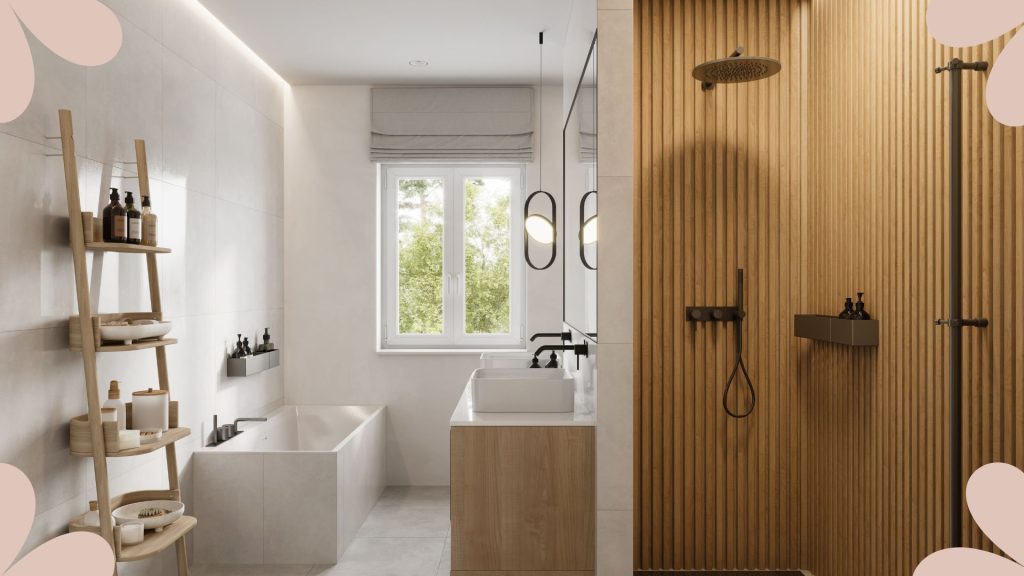
Consider using light colors like pale blue, soft grey, or creamy white as a base, creating an airy space that feels larger and more open than it is. Pair these hues with natural wood accents or matte black fixtures to introduce warmth and depth. Textures play a crucial role in this minimalistic approach; a textured wall, such as a tiled backsplash or a wood-paneled accent, can add interest without overwhelming the senses. Furthermore, incorporating glass elements—like shower doors or storage containers—can enhance the open feel while simultaneously facilitating the minimalist ethos of transparency and simplicity.
Maximizing Vertical Space
In small bathrooms, floor space is at a premium; thus, it is essential to think vertically. Vertical space optimization can dramatically free up square footage, allowing for a more functional layout. Consider the following methods to maximize vertical space:
- Install Tall Storage Solutions: Tall cabinets or shelves can take advantage of the height of the room while keeping essentials within easy reach. Vertical cabinets can hold toiletries and other items that might otherwise clutter counters.
- Use Hooks and Railing Systems: Wall-mounted hooks or rail systems can be functional and decorative, perfect for hanging towels or bath accessories. Aim for a sleek design to maintain the minimalist visual appeal.
- Leverage Door Space: Utilize the back of the bathroom door for hanging organizers or small racks, ensuring that every inch of available space is optimized. This adds outdoor storage resources without detracting from the room’s design.
Smart Lighting is another aspect of design that can’t be ignored in a minimalist bathroom. Natural light should be maximized through unobstructed windows or frosted glass. Where additional light sources are needed, opt for recessed lighting fixtures or LED strips that seamlessly blend into the ceiling or cabinetry. A well-lit space not only enhances usability but also creates warmth and ambiance, transforming the small bathroom into a tranquil haven.
The Role of Scents and Sounds
Beyond the visual aspects, a truly minimalist bathroom experience can be elevated through sound and scent. Incorporating soft, calming sounds—perhaps through a small Bluetooth speaker or sound machine—can create a spa-like atmosphere. Even the water sound in a compact indoor fountain can instill a sense of peace that complements minimalist ideals.
Scent is another vital element. Avoid using numerous products that clutter surfaces and may clash in fragrance. Instead, invest in a few quality products such as essential oils or candles that provide soothing scents without overwhelming the senses. A single fragrant soap or a carefully placed plant can add vibrancy while reinforcing a minimalist approach.
As you refine your small bathroom oasis, remember that the essence of minimalism lies in intentionality and harmony. By considering the elements of color, texture, space optimization, lighting, and sensory experiences, your small bathroom can transform from a cramped space into a calm retreat that reflects your unique style while embracing a minimalist philosophy.
DON’T MISS: Click here to discover how minimalist organization boosts productivity
Final Thoughts on Minimalism in Small Bathrooms
In conclusion, embracing minimalism in small bathrooms not only enhances functionality but also creates a serene environment conducive to relaxation and mindfulness. By systematically evaluating and optimizing the space through strategic color choices, carefully curated textures, and smart storage solutions, you can transform a compact area into a tranquil oasis. The key lies in prioritizing essential items, maximizing vertical space, and implementing smart lighting techniques that impact both usability and ambiance.
Additionally, focusing on sensory elements—including soothing scents and calming sounds—further deepens the minimalist experience, allowing your bathroom to serve not merely as a space for hygiene, but as a personal retreat. Remember, minimalism revolves around intentionality; every detail should be thoughtfully considered to enhance overall harmony. Small bathrooms offer unique challenges, but they also provide an incredible opportunity to cultivate a space that reflects your lifestyle while promoting simplicity.
As you delve into this minimalist approach, its principles may lead you to discover broader applications throughout your home and life. By prioritizing functionality and tranquility, you can adopt a lifestyle that values simplicity, encourages mindfulness, and celebrates what truly matters. Take that first step today and let your small bathroom redefine the way you approach everyday rituals.