Creating a Functional Home Office: Balancing Minimalism with Space Utilization
Creating an Efficient Remote Workspace
As the trend of remote work continues to grow, establishing an efficient home office has moved from being a luxury to a necessity. A well-organized workspace not only enhances your productivity but also impacts your overall mental well-being. Therefore, creating a functional space tuned to your work habits can significantly influence your success. It’s vital to find that elusive balance between minimalism—the intentional reduction of clutter—and effective space utilization, where every inch serves a purpose.
A thoughtfully designed home office can make a substantial difference in performance. To achieve this, consider several key elements:
- Ergonomic Furniture: Invest in a chair and desk that support good posture. Look for ergonomic chairs that encourage healthy sitting positions, and adjustable desks that allow you to alternate between sitting and standing, thus reducing physical strain during long work hours.
- Natural Light: Position your workspace near windows to take advantage of natural light. Studies show that exposure to natural light can enhance mood, increase energy levels, and even improve cognitive function, making it a crucial aspect of your home office setup.
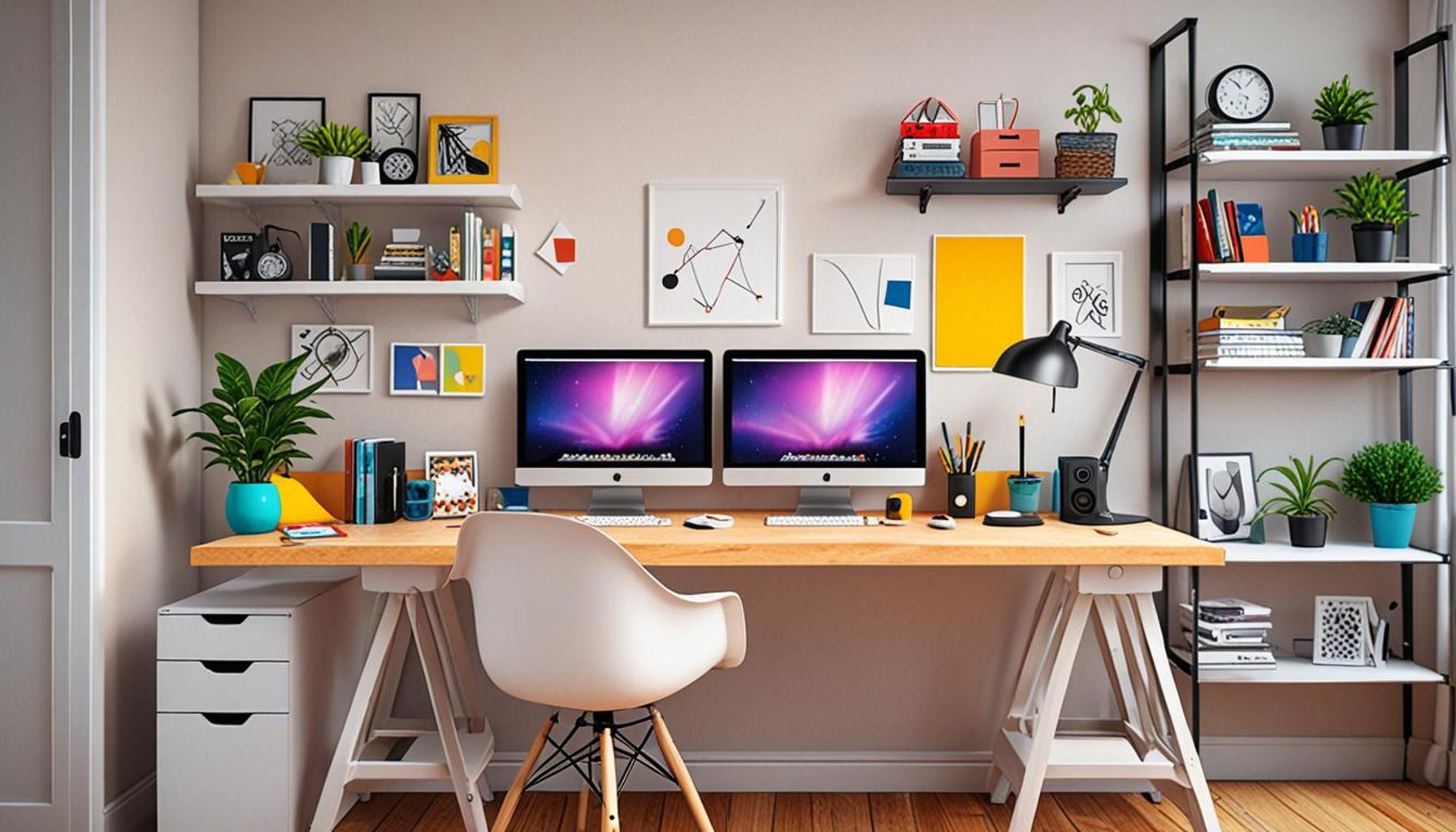
- Decluttered Surfaces: Keep your desk clutter-free by limiting items to only those essential for your work. Consider using trays or desktop organizers to neatly store supplies like pens and notebooks while keeping the workspace airy and inviting.
Achieving a blend of minimalism and maximal efficiency is essential for creating a work environment that inspires creativity and productivity. Here are effective strategies that can help:
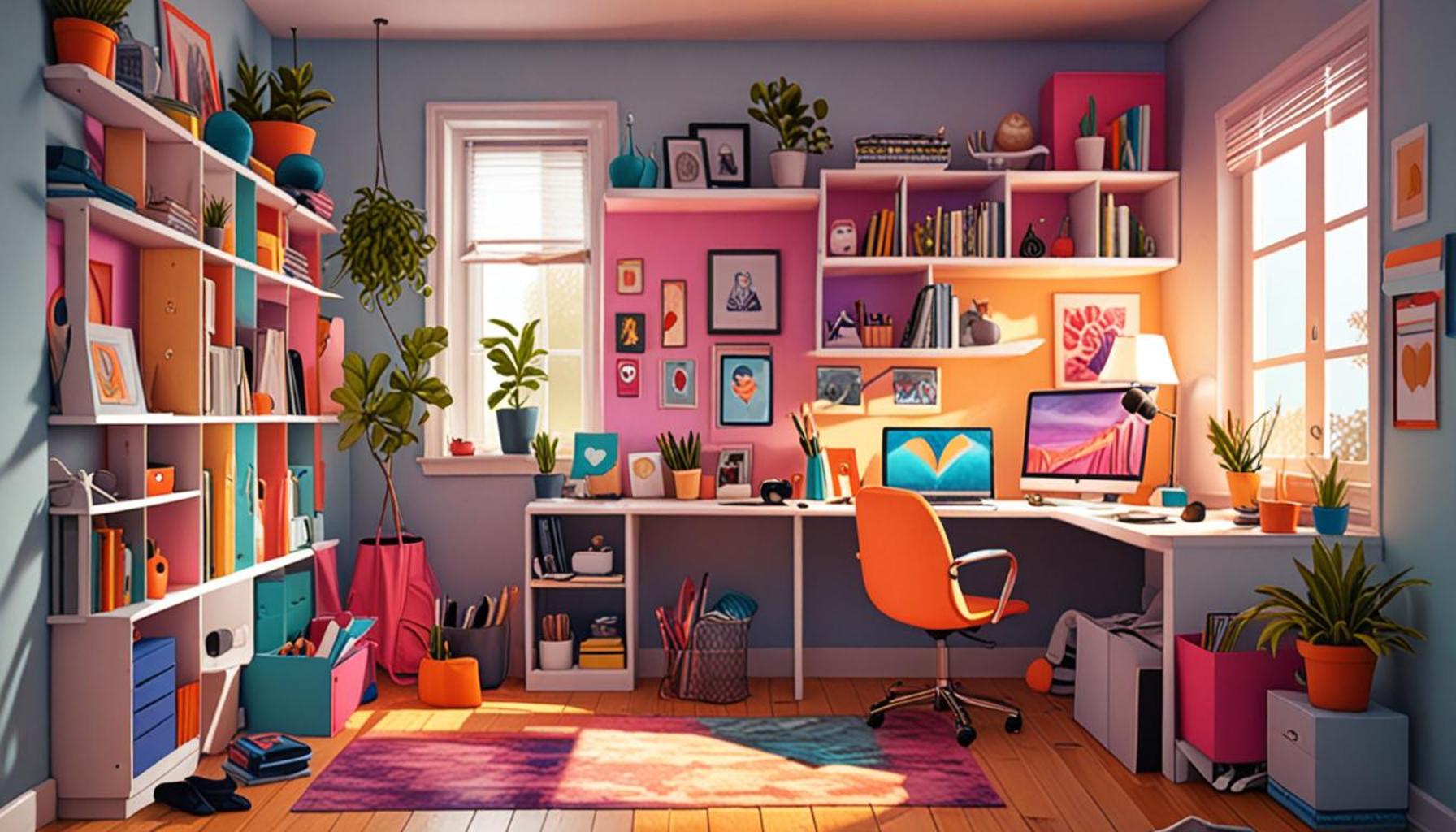
- Built-in Shelving: Optimize vertical space by incorporating built-in shelves for books, supplies, and even decorations that inspire you. These shelves not only help in organizing materials but can also enhance the aesthetic appeal of your office.
- Multi-functional Desks: Seek out desks that come with integrated storage solutions. Designs that feature compartments, drawers, or even attached filing cabinets allow you to keep essentials at your fingertips without consuming much desk space.
- Decluttering Techniques: Regularly evaluate and assess your items for necessity. Implement methods such as the one-in-one-out rule, where for each new item brought into the office, an old one must be removed. This practice helps maintain a streamlined space.
Establishing a well-thought-out balance not only enhances your work environment but also serves as a canvas for reflecting your personal style. Personal touches, such as artwork, plants, or motivational quotes, can reignite your passion and enthusiasm for your work. Join us as we delve into effective tips and tricks to craft a home office that prioritizes both creativity and functionality.
DISCOVER MORE: Click here to learn about living intentionally through essentialism
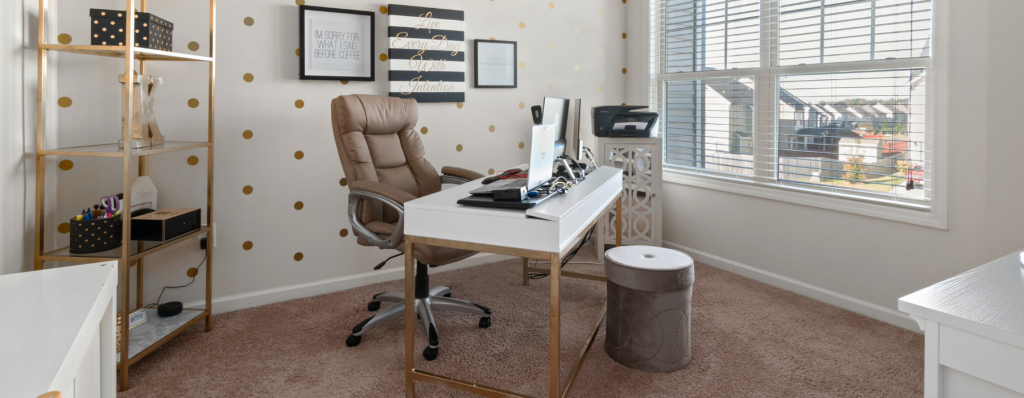
Maximizing Functionality in Your Home Office
In the quest for creating a functional home office, the intersection of minimalism and space utilization plays a pivotal role. A minimalistic approach does not simply mean stripping a workspace down to its bare essentials; rather, it involves a strategic approach to furnishing and organizing that prioritizes functionality without sacrificing personal flair. This method is ideal for small spaces, where creative solutions can transform an ordinary area into a productive environment.
To begin this journey, let’s explore some essential components that contribute to a well-balanced home office:
- Designated Zones: Create distinct areas within your workspace. This could include a focus zone for tasks that require deep concentration, a collaborative area for brainstorming (even if it’s just virtual), and a personal zone where you can unwind and reflect during breaks. Utilizing furniture to delineate these spaces can aid greatly in maintaining productivity levels.
- Smart Technology Integration: Equip your workspace with technology that enhances efficiency. Consider wireless charging pads or smart assistants to manage tasks seamlessly without cluttering your desk with cables. Technologies that facilitate remote work, like high-quality microphones or webcams, are also essential for maintaining communication and collaboration.
- Storage Solutions: The right storage can transform an overflowing desk into a streamlined workspace. Invest in modular storage solutions that can adapt as your needs evolve. For instance, stackable bins or rolling carts can provide flexible organization while keeping the area visually appealing.
Finding the right balance is not just about what you can see but also about how you feel in the space you create. The way you integrate minimalism with your specific work needs can lead to breakthroughs in productivity. Here are further strategies to cultivate harmony in your home office:
- Color Palette: Selecting a cohesive color scheme can significantly impact your mindset. Soft, neutral tones can create a calming atmosphere, while splashes of vibrant color can stimulate creativity. Consider paint or decor that speaks to your personal style, ensuring it enhances rather than overwhelms.
- Personalization: While minimalism emphasizes the elimination of excess, adding a few personal touches—such as framed photos or a small plant—can foster a more inviting environment. Biophilic design, which includes natural elements, has been shown to enhance focus and reduce stress levels, making it an excellent addition to your workspace.
- Lighting Options: Beyond natural light, having adjustable lighting can cater to different times of day and tasks. A well-placed desk lamp provides focused light, reducing shadow and eye strain, while also lending to the aesthetic of a minimalistic workspace.
Establishing a functional home office truly involves more than just the physical arrangement of furniture. It requires an understanding of how you work best and what environment encourages that productivity. By syncing minimalism with space utilization, you can craft an inspiring workspace that not only meets your operational needs but also resonates with your personal values. As we continue, we will delve deeper into more intricacies and tools that can help solidify your ideal setup.
Creating a Functional Home Office: Balancing Minimalism with Space Utilization
Embracing Minimalism for Efficiency
In the quest for a functional home office, minimalism can play a crucial role in enhancing efficiency. A clutter-free environment promotes focus, reducing distractions that can sap your productivity. By adopting minimalist principles, you can create a workspace that is not only visually appealing but also deeply functional. Select essential furniture pieces, such as a streamlined desk and an ergonomic chair, which prioritize comfort and productivity.
Strategically Utilizing Space
Space utilization is paramount, especially in homes where every square foot counts. Consider multifunctional furniture that serves more than one purpose. For instance, a desk that doubles as a bookshelf can save room while keeping necessary items within reach. Vertical storage solutions, such as shelves or wall-mounted organizers, can free up desk space and keep your work area tidy. Additionally, it’s vital to assess your workspace’s layout; arranging furniture to create a natural flow can foster a more productive environment.
Combining Aesthetics with Practicality
The aesthetics of your home office matter just as much as functionality. A well-designed space can inspire creativity and enhance job satisfaction. Stick to a cohesive color scheme that resonates with your personality and promotes calmness, which can improve mental clarity. Incorporate plants or art pieces that inspire you—elements that emphasize both beauty and personal relevance—leading to an invigorating and personalized workspace.
| Category | Key Features |
|---|---|
| Minimalism | Promotes a clutter-free environment, enhances focus and productivity. |
| Space Utilization | Incorporates multifunctional furniture, utilizing vertical space to maintain an organized work area. |
Incorporating these principles will set a foundation for a home office that not only looks good but also functions optimally, allowing for a seamless balance between minimalism and effective space utilization.
DISCOVER MORE: Click here to explore the art of letting go
Enhancing Productivity Through Thoughtful Design
As we delve deeper into the heart of creating a functional home office, the emphasis on thoughtful design is paramount. While minimalism encourages us to reduce distractions and excess, the unique needs of individual users must also be factored into the equation. Each workspace should be customized not only to reflect one’s aesthetic preferences but also to optimize workflow. Here are several key considerations that can substantially enhance your home office setup:
- Ergonomic Furniture: Invest in ergonomic chairs and desks that cater to long hours of productivity. For instance, standing desks allow for adjustments throughout the day, promoting better posture and reducing fatigue. According to studies, ergonomically designed workspaces can improve productivity by up to 20%. This shift not only increases comfort but also enhances focus, leading to more effective work sessions.
- Declutter with Intent: A minimalistic workspace calls for regular decluttering. However, this shouldn’t just be an act of throwing things away. Evaluate what items truly support your work objectives. For example, if certain books or resources are essential for your daily tasks, find creative, yet compact, storage solutions to keep them accessible without dominating your workspace.
- Sound Management: In a home office, managing sound is crucial to maintaining concentration. Consider soundproofing options, like acoustic panels, which can minimize distractions from outside noise. Additionally, utilizing noise-cancelling headphones during focused work periods can dramatically boost productivity and help establish a productive aura conducive to deeper concentration.
As we continue to explore the aesthetics and functionality of a home office, another method of achieving balance lies within organization systems that harmonize minimalism with efficiency:
- Vertical Storage: Utilizing wall-mounted shelves or pegboards can dramatically free up floor space while providing ample storage. This approach encourages the display of necessary tools or inspiration items while keeping surfaces uncluttered. Plus, vertical storage can be a versatile element of decor, reflecting your style while serving a functional purpose.
- A Modular Approach: Modular furniture designs, such as sectional desks or interchangeable shelving units, empower you to adapt your space as your work needs evolve. Such flexibility is a hallmark of minimalism, allowing for reconfiguration without the investment in new furniture. As work tasks change, so can the space, ensuring that it remains a perfect fit.
- Flexible Layouts: Consider the flow of your workspace. The layout should support ease of movement, with frequently used items within arm’s reach and less essential objects stored further away. Ensuring there is room for walking or stretching is essential to counteract the sedentary nature of remote work.
With these elements in mind, one can seamlessly blend minimalism and space utilization to create a custom work environment that resonates with personal style and maximizes productivity. The strategies employed not only foster an atmosphere of focus and tranquility but also allow for greater organizational awareness. In designing your ideal workspace, consider your unique needs and how small adjustments can lead to significant improvements in your work life.
DIVE DEEPER: Click here to uncover the secrets of a decluttered mind
Conclusion: Crafting Your Ideal Work Sanctuary
In conclusion, the journey to creating a functional home office is an evolving process that requires a thoughtful blend of minimalism and space utilization. By prioritizing ergonomic furniture, refining your organizational systems, and being intentional about your workspace layout, you pave the way for an environment that encourages productivity and creativity. Remember that each workspace is unique, shaped by individual needs and lifestyle preferences. Thus, the optimal setup is not one-size-fits-all but rather a personalized sanctuary that speaks to your identity.
Moreover, in today’s fast-paced world, our home offices must adapt to changing work styles and demands. Consider incorporating elements like modular furniture and flexible layouts that can evolve as your workflow evolves—these choices not only maximize functionality but also enhance your ability to pivot with ease when required. Emphasizing organization while maintaining minimalism fosters not just a clutter-free ambiance but also a liberated mindset essential for deep focus and innovation.
As you embark on the creation of your workspace, take the time to assess what inspires you, what tools truly aid your productivity, and how each element contributes to your daily routine. This contemplative approach will not only yield a visually appealing office but will also ensure it becomes a haven for efficiency and productivity. Immerse yourself in the process, and you may discover that your home office becomes not just a space for work, but a true reflection of your aspirations and potential.