Incorporating Minimalist Principles into Kids’ Rooms: Space Optimization for Play and Learning
Creating Harmonious Spaces for Children
In today’s fast-paced world, many parents are discovering the benefits of a minimalist approach to creating functional and harmonious spaces for their children. By incorporating minimalist principles, you can transform kids’ rooms into organized, serene environments that foster both play and learning. This style aims to eliminate distractions and create a space where children can thrive, offering a breath of fresh air amidst the chaos of modern life.
Minimalism is not merely about reducing clutter; it encompasses the art of designing spaces that enhances creativity and focus. Instead of overwhelming a child with choices, a minimalist room can streamline their environment, making it easier for them to engage in play and learning activities. Consider these core aspects of minimalism:
- Functional Furniture: Opt for multi-purpose items, like a bookshelf that doubles as a play area. For example, a bench that incorporates storage underneath can provide both seating and a place to keep toys neatly organized.
- Neutral Colors: Choose calming shades such as soft pastels or creamy whites that encourage relaxation and concentration. Research shows that color can have a significant impact on mood and behavior, so selecting the right palette can be vital for creating a conducive atmosphere.
- Decluttered Spaces: Keep surfaces clear to allow for free play and easy cleanup. Implementing designated storage solutions, such as baskets or bins that are easily accessible, can help children learn the valuable life skill of organization while keeping the room tidy.
In this article, we will explore practical strategies for optimizing your child’s room. From thoughtful toy storage solutions that minimize visual clutter to minimalist décor ideas that promote a sense of calm, we will guide you through the essentials of creating an inviting space that nurtures creativity and tranquility. For instance, using wall-mounted shelves can save floor space while displaying a select few beloved toys or books in an aesthetically pleasing manner.
Implementing minimalist principles can also encourage children to value experiences over possessions. By having fewer items, they can focus more on quality play rather than quantity. One approach is to adopt the “one in, one out” rule: whenever a new toy is introduced, an old one is donated or discarded. This practice not only enhances the minimalist environment but also teaches children about giving and resourcefulness.
With the right approaches, embracing minimalism can lead to a more structured environment, facilitating better learning experiences. Are you ready to simplify and enhance your child’s room? Let’s dive into the world of minimalism and discover the myriad of possibilities that await in creating a serene sanctuary for your little ones.
DISCOVER MORE: Click here to learn how to empower your daily decisions
Maximizing Functionality: The Essence of Minimalist Kids’ Rooms
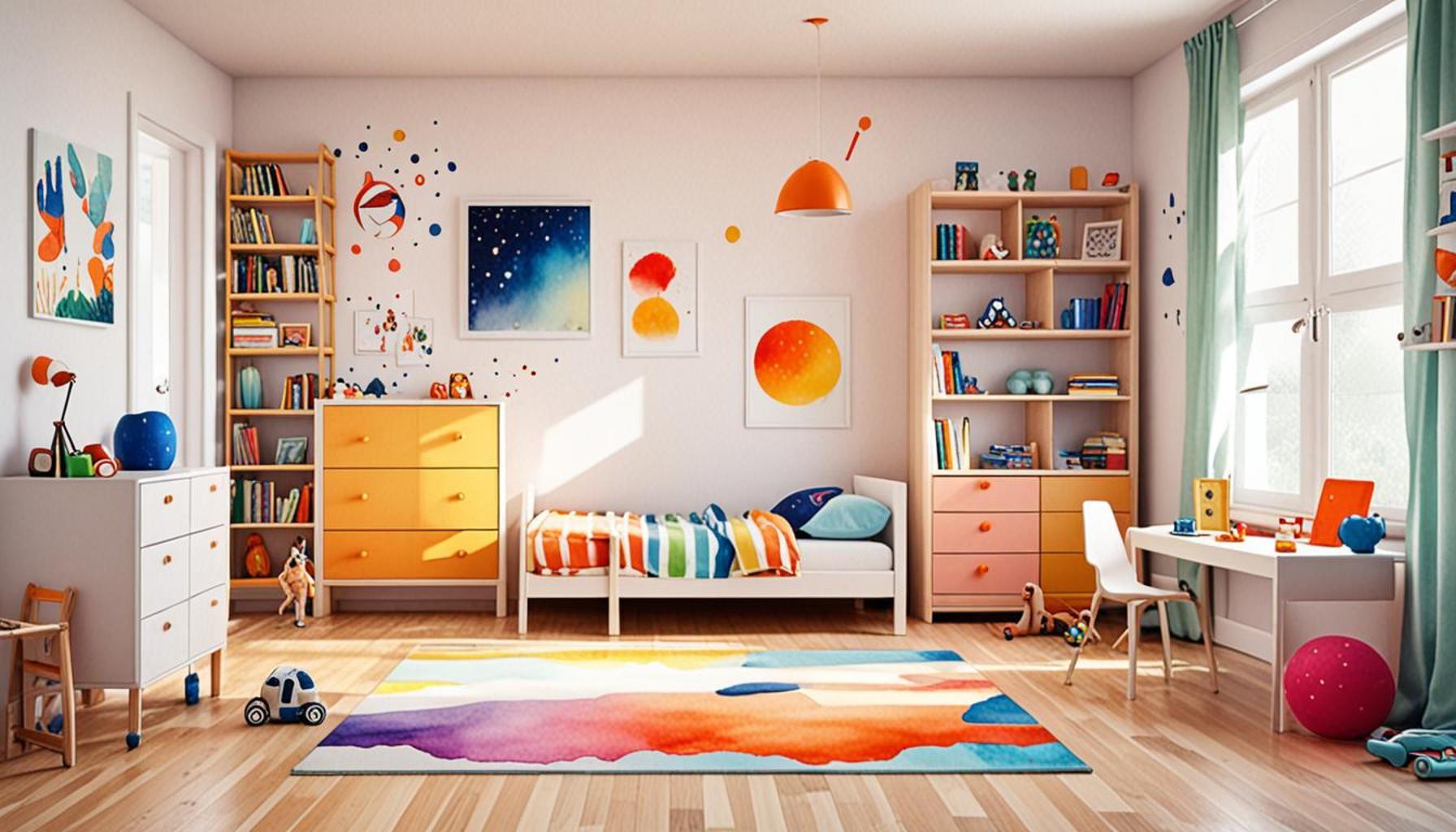
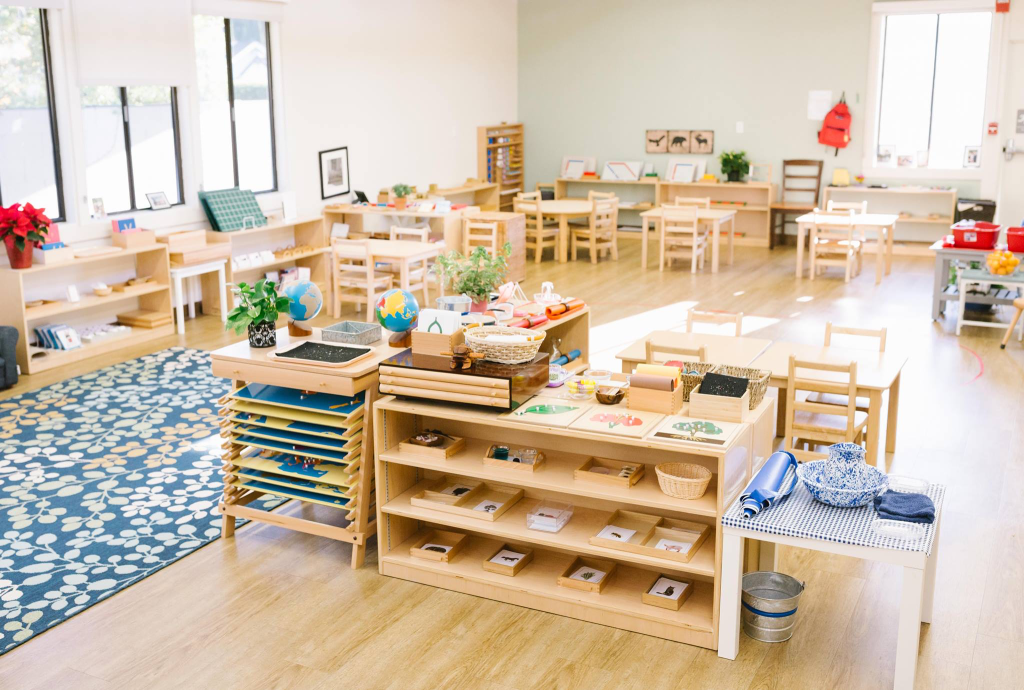
When it comes to designing a child’s room, maximizing functionality while adhering to minimalist principles can make a profound difference. The goal is to create spaces that promote both play and learning without overwhelming the child with unnecessary distractions. By focusing on essential elements, parents can transform their children’s rooms into environments that encourage creativity and concentration.
One effective strategy is to utilize multi-functional furniture. Parents can look for pieces that serve more than one purpose to save space and enhance usability. For instance, a bed with built-in drawers or a desk that can double as an art station allows for both rest and creativity in the same footprint. This approach not only optimizes the room but also teaches children the importance of versatile design.
Moreover, color choices play a pivotal role in establishing the desired ambiance. Soft hues like pale blue or warm beige can foster tranquility, reducing anxiety and increasing focus. Research suggests that children thrive in environments that provide a sense of calm. By consciously selecting the right colors, parents can significantly influence their child’s mood and, subsequently, their ability to learn and play effectively.
To further enhance the room’s functionality, consider the following space optimization techniques:
- Open Floor Plans: Keep floor space clear to allow for movement and play. A designated area for activities encourages children to utilize the space creatively, whether it’s for building blocks or yoga.
- Creative Storage Solutions: Invest in storage options that are both appealing and accessible. Low shelving allows children to organize their toys and books independently, promoting responsibility and autonomy.
- Wall Decor with Purpose: Use wall space efficiently by incorporating functional artwork or educational posters. These elements can serve as both decor and learning tools, enriching the visual landscape without adding clutter.
Another significant aspect to consider is the practice of mindful consumption. By teaching children about the value of intentional choices, such as choosing quality over quantity, parents can help foster a mindset that appreciates experiences and creativity. One way to encourage this mindset is through the “one in, one out” method. This simple yet effective rule allows children to evaluate their belongings while actively participating in maintaining a minimalist environment.
Ultimately, a minimalist children’s room is not just about reducing clutter; it’s about designing a nurturing space that supports growth and exploration. By being intentional with every element, from furniture to decor, parents can create an inviting, functional sanctuary that empowers their children to engage in play and learning seamlessly. The journey towards minimalism can lead to both a practical and enriching environment, setting the stage for children to flourish.
| Advantages | Benefits |
|---|---|
| Enhanced Creativity | A minimalist environment fosters imagination, allowing children to engage in more creative play without distractions. |
| Improved Organization | By prioritizing functional storage solutions, kids learn to keep their spaces tidy, which supports their cognitive development. |
Incorporating minimalist principles into kids’ rooms not only optimizes space but creates a serene atmosphere conducive to both play and learning. For instance, utilizing multi-functional furniture, such as a desk that can transform into a play area, maximizes utility while minimizing clutter. Additionally, choosing a neutral color palette can create a calming environment that allows for focused activities.Moreover, teaching kids the value of simplicity helps instill lifelong organizational skills. With fewer items in their space, children can concentrate better on their tasks and play, leading to enhanced problem-solving skills. It’s essential to consider that a well-structured room encourages independence, inspiring children to clean up and maintain their environment.Exploring designs and functionalities tailored to individual needs will further elevate the effectiveness of a minimalist space. From foldable furniture to open floor plans, the options are endless for parents looking to create a nurturing environment that balances space optimization with a sense of style.
DISCOVER MORE: Click here to delve deeper
Emphasizing Simplicity: The Power of Less
The essence of minimalism is not merely about limiting items but also about embracing simplicity and clarity in design. In a child’s room, this concept can significantly enhance their ability to focus, explore, and thrive. By choosing a selection of high-quality, meaningful items over a multitude of toys and decor, parents can foster an atmosphere that invites imagination and reduces overstimulation.
One way to achieve this is to adopt a “calm corner” – a space within the room dedicated to relaxation and mindfulness. This area can feature a comfortable bean bag or a small rug paired with a few select books for quiet reading. Research indicates that having a designated nook can improve emotional regulation and help children develop self-soothing skills. By encouraging them to retreat to this calm corner during chaotic playtime, parents can reinforce the importance of mental breaks.
Additionally, curating the selection of toys is crucial. Instead of filling the room with numerous options, focus on a few versatile and open-ended toys that inspire creativity. Items like building blocks, art supplies, or play kitchen sets allow for varying kinds of play, nurturing creativity without the overwhelm of countless options. The notion of having fewer toys can often surprise parents: children may engage in deeper play with fewer distractions, illustrating the power of simplicity.
Furthermore, establishing a system for rotating toys can maintain excitement while minimizing clutter. By systematically rotating a small selection of toys every few weeks, parents can keep playtime fresh and engaging, while also allowing children to appreciate and take good care of fewer items. This method fosters gratitude and an understanding of the value of possessions, essential lessons in today’s consumer culture.
When it comes to decor, consider embracing natural materials and textures that resonate with a minimalistic philosophy. Items made of wood, cotton, or wool can create warmth and comfort without visual clutter, encouraging a connection with nature. Incorporating plants or nature-inspired decor can also heighten sensory experiences, linking the child’s personal space with the outside world. Such changes are not merely aesthetic—studies show that exposure to natural elements can improve a child’s mood and productivity.
Sustainability is another vital aspect of minimalist principles that can be integrated into children’s rooms. Parents can teach children about eco-friendliness by choosing sustainable materials for furniture, bedding, and decor. Additionally, involving children in simple practices like recycling or upcycling old toys can instill values of mindfulness towards consumption from an early age. This understanding promotes social responsibility and connection to the environment, aligning beautifully with minimalist principles.
Incorporating minimalist principles into kids’ rooms is an explorative journey toward creating an encouraging space for play and learning. Through thoughtful selections and mindful practices, parents can craft an environment rich in creativity and focus, turning minimalism into a multi-faceted approach to child development.
DISCOVER MORE: Click here for insights on boosting your daily productivity
Conclusion: A New Path to Creativity and Growth
Embracing minimalist principles in children’s rooms offers more than just aesthetic appeal; it provides a framework for enhancing focus, creativity, and emotional well-being. By prioritizing high-quality, purposeful items and establishing dedicated spaces like a calm corner, parents can create environments that not only foster play but also encourage vital skills such as relaxation and emotional regulation. The practice of curating toy selections and implementing a rotation system serves to deepen the engagement children experience, which is often lost in a sea of overstimulation.
Moreover, integrating natural materials and sustainable choices reflects a mindful approach to living—one that resonates with kids as they learn the importance of caring for their environment. This perspective not only enhances their personal space but also equips them with the values of appreciation, gratitude, and social responsibility.
Ultimately, by adopting minimalist principles, parents can transform a child’s room into a sanctuary for learning and creativity. This approach encourages children to develop a profound connection with their surroundings, promoting both imaginative play and thoughtful interaction with their belongings. As families explore the integration of minimalism in their child’s space, they open the door to a richer, more fulfilling experience that nurtures the next generation’s ability to innovate, create, and engage meaningfully with the world around them.