Designing Zen Spaces: The Role of Natural Light in Space Optimization and Minimalism
Creating Harmony Through Natural Light
In today’s fast-paced world, cultivating a sense of tranquility in our living spaces is becoming increasingly important. Natural light plays a pivotal role in the realm of minimalism and space optimization, acting as a catalyst for transformation. By harnessing daylight, we can create environments that promote both mental serenity and functional efficiency.
The Benefits of Natural Light
Understanding how natural light influences our spaces can unlock numerous advantages:
- Enhanced Mood: Exposure to natural light is linked to increased happiness and reduced stress. Studies have shown that individuals working in well-lit environments report higher levels of productivity and satisfaction. For instance, incorporating large windows or skylights in a workplace can significantly boost employee morale.
- Spatial Perception: Well-lit spaces appear larger and more open, aiding in effective space utilization. When designing small apartments—a common scenario in urban areas such as New York City—strategically placed mirrors combined with natural light can give an illusion of greater space, making an area feel more inviting and less claustrophobic.
- Energy Efficiency: Utilizing natural light reduces dependence on artificial lighting, lowering energy costs. Homes and offices that maximize daylight can see substantial savings on electricity bills. For example, using light-colored walls can reflect more sunlight indoors, enhancing brightness without additional energy consumption.
Minimalism and Design
Incorporating minimalism in design reduces clutter and focuses on essentials. Natural light complements this philosophy by:
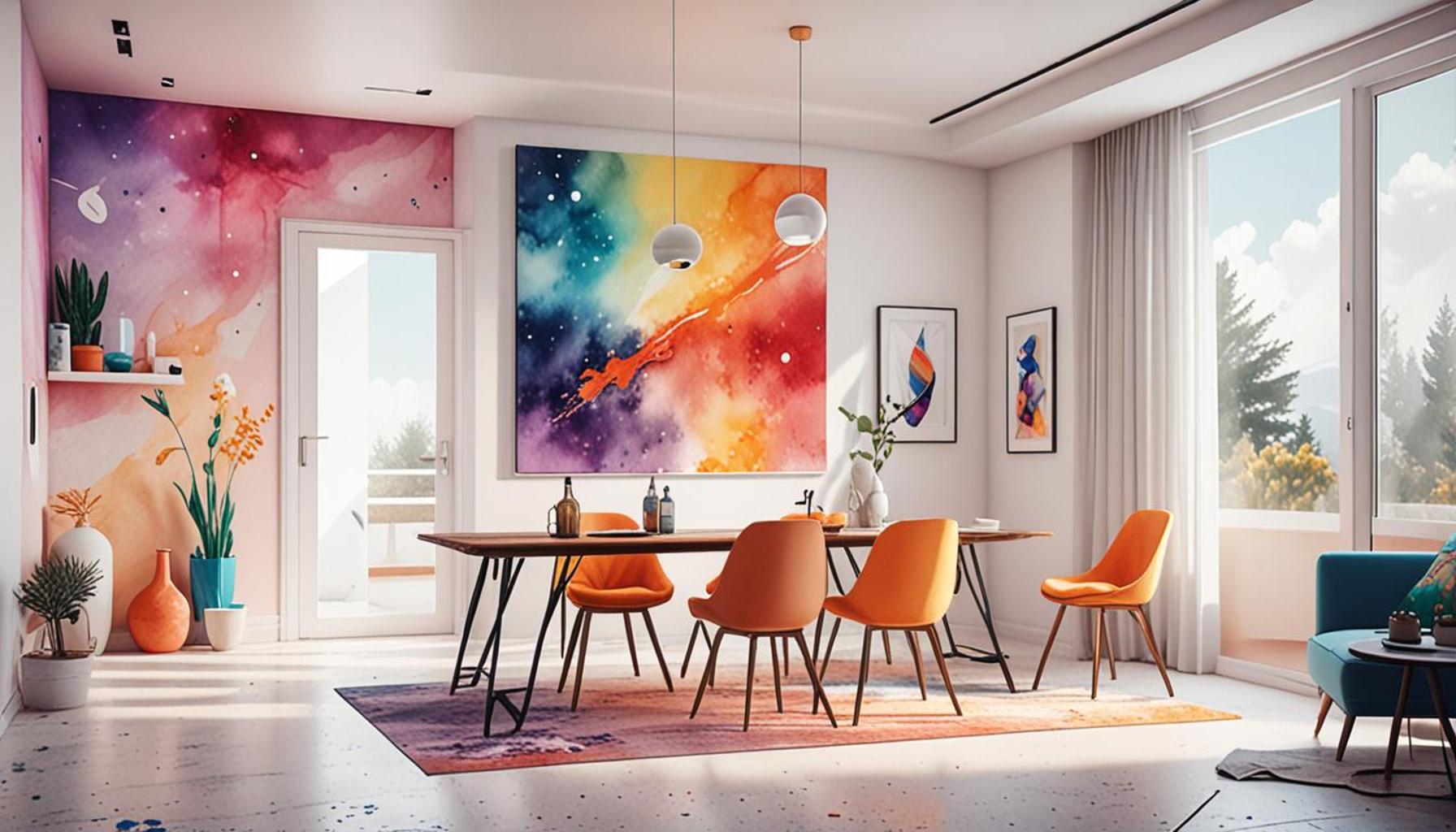
- Highlighting key design elements without overwhelming the senses. In a minimalist home, a few carefully chosen pieces—such as a statement piece of art or a unique piece of furniture—can truly shine when illuminated by daylight.
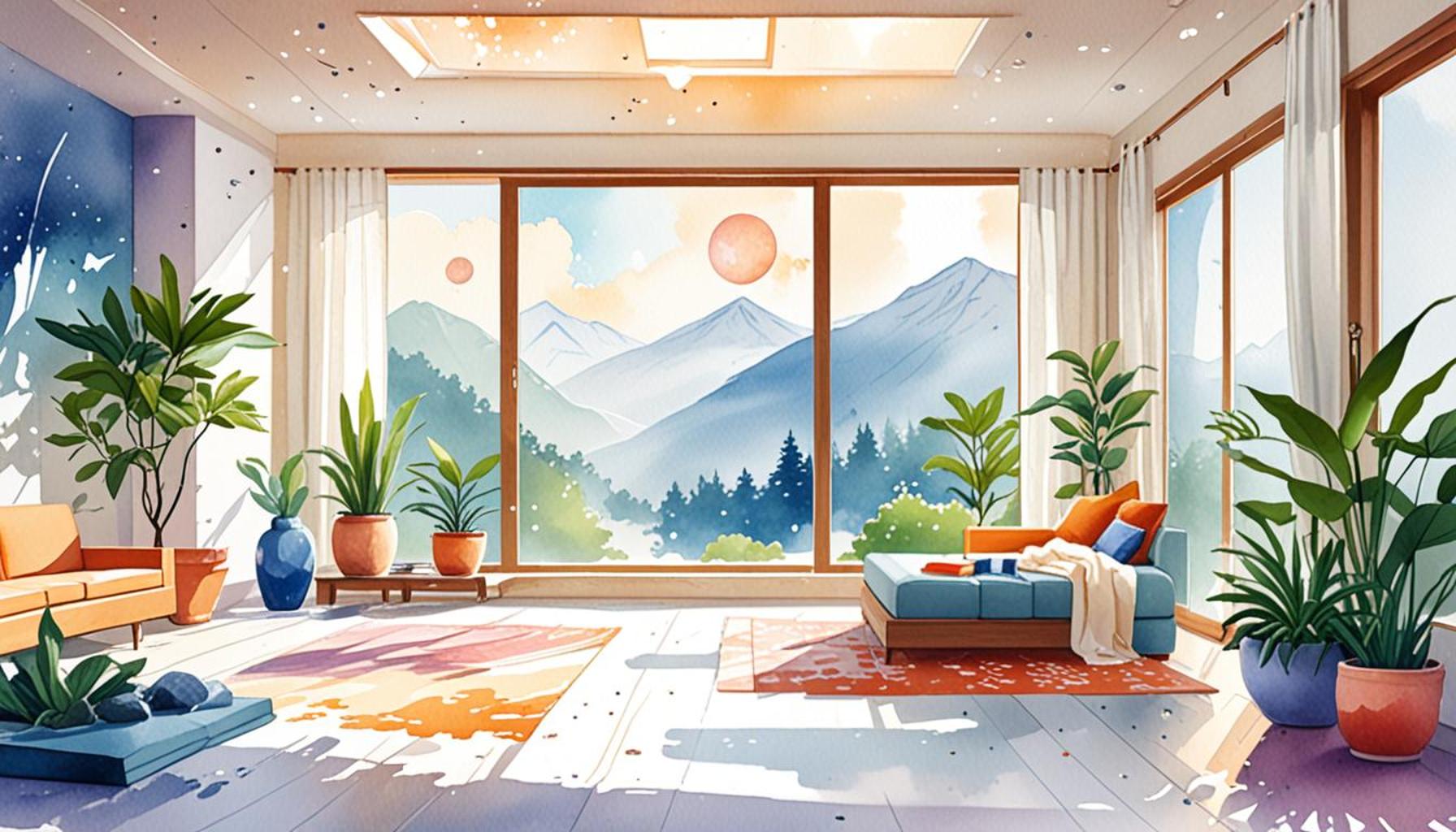
- Creating a seamless connection between indoor and outdoor environments. Large sliding glass doors or expansive windows can bring views of gardens or cityscapes directly into our homes, related to the ‘bringing the outdoors inside’ trend that is particularly popular in states that enjoy a robust climate.
- Encouraging a mindful approach to how we interact with our surroundings. Natural light encourages us to appreciate the changing moods of our spaces throughout the day—from the soft, warm glow of sunrise to the cool, dramatic shadows of twilight.
As we explore the rich interplay between natural light and design principles, we invite you to rethink how you can create your own zen spaces. Consider elements like sheer, light-filtering window treatments that allow for privacy while still bathing your space in daylight. Join us on this journey to discover innovative approaches that harmonize functionality and tranquility.
Ultimately, embracing natural light in our living environments not only enhances aesthetics but cultivates an atmosphere conducive to well-being and reflection. As we navigate through contemporary design challenges, let us prioritize the impact of daylight as a core element in shaping our personal sanctuaries.
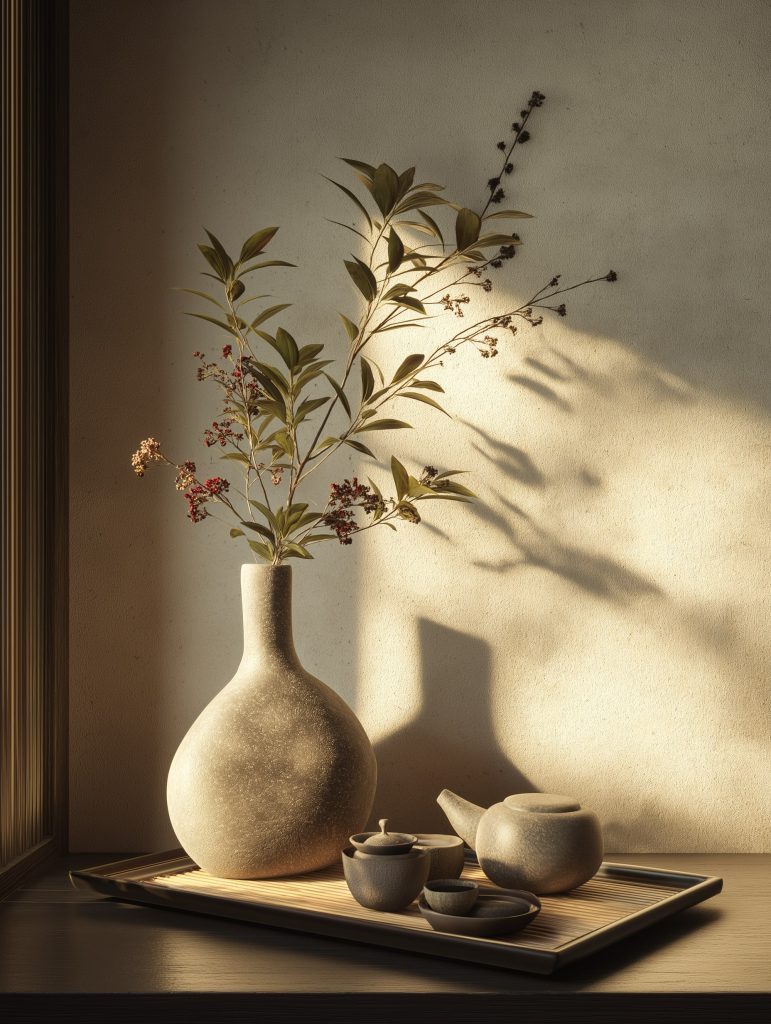
DISCOVER MORE: Click here for tips on maximizing small spaces
Illuminating Design Principles
The integration of natural light into our living spaces goes beyond mere aesthetics; it embodies a philosophy that aligns with the tenets of minimalism and tranquility. To realize the full potential of natural light, it is essential to consider its directional qualities and how they interact with the architecture of a space. The right placement of windows, skylights, and light wells can enhance the flow of light, creating a dynamic environment that evolves throughout the day.
Strategic Use of Windows
When designing a zen space, positioning windows to take advantage of both direct and indirect sunlight is crucial. A few considerations include:
- Orientation: Understanding the orientation of your home can vastly influence the amount of sunlight each room receives. South-facing windows typically allow for maximum light exposure, making them ideal for communal areas like living rooms or kitchens. On the other hand, east-facing spaces can welcome the gentle rays of morning light, perfect for a calming bedroom atmosphere.
- Overhangs and Shades: To prevent overheating during hotter months while still inviting light in, incorporating overhangs or adjustable shades offers flexibility. These features can diffuse harsh sunlight while maintaining brightness, ensuring that spaces never feel stark or unwelcoming.
- Glass Solutions: Innovations in glass design, such as low-emissivity glazing, allow homeowners to enjoy natural light without the downsides of UV damage or excessive heat. This technology supports energy efficiency while optimizing comfort, proving that light management is as important as light exposure.
Creating Zones with Light
Incorporating distinct zones within a space can foster a sense of purpose and mindfulness. By leveraging natural light to delineate areas, designers can create functional and fluid environments that enhance living experiences. For example:
- Reading Nooks: A cozy corner bathed in natural light invites relaxation, making it the perfect spot for unwinding with a book. Positioning a comfortable chair next to a window can transform an ordinary space into a sanctuary.
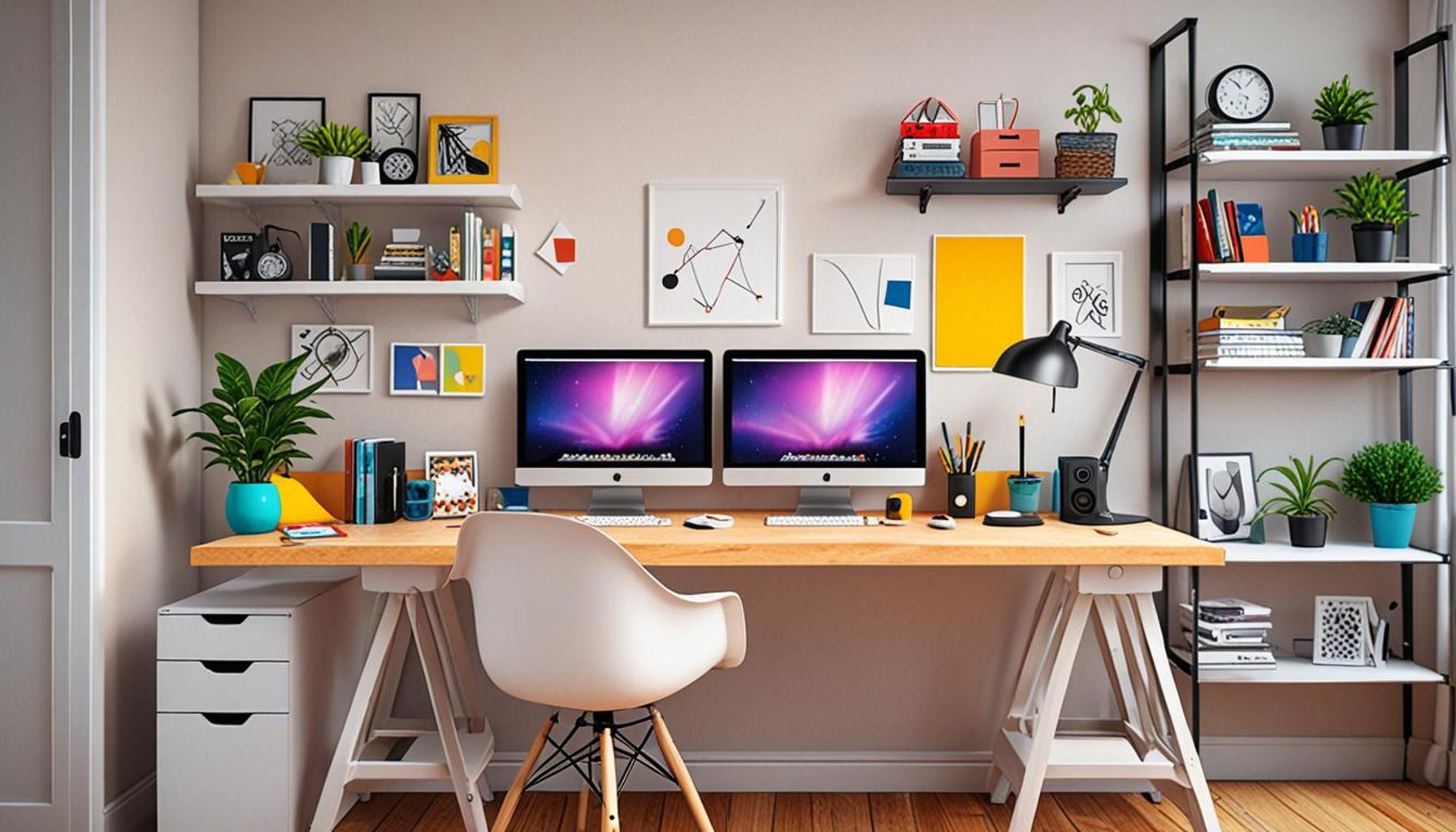
- Workspaces: A dedicated workspace that receives ample daylight boosts productivity, reducing the need for artificial lighting and helping maintain focus. Clarity and inspiration often flourish in environments that celebrate the beauty of natural illumination.
- Mindfulness Areas: Intentional spaces for meditation or yoga can benefit from soft, natural lighting that encourages calmness. Consider incorporating soft, diffusing materials like rice paper screens to create a serene atmosphere.
By tapping into the potential of natural light, we can craft spaces that reflect our intentions and priorities. As we delve deeper into this exploration of zen design, consider how natural light can redefine the ambiance of your home, creating a harmonious balance between the functional and the soulful. Adopting these strategies not only enhances your living experience but also connects you with the external world, fostering a sense of peace within the structures we inhabit.
Exploring Natural Light as a Design Element
Natural light serves as more than a mere illumination source; it plays a critical role in enhancing the aesthetics and functionality of any space. The application of natural light in interior design brings a sense of tranquility and openness, which is pivotal in creating zen spaces. By skillfully maximizing light, designers can blur the lines between indoors and outdoors, fostering a connection with nature that is fundamental to the minimalist philosophy.Effective space optimization utilizes strategically placed windows, skylights, and open spaces to allow sunlight to flood into rooms throughout the day. This not only elevates the mood of occupants but also promotes energy efficiency—reducing the need for artificial lighting during daylight hours. Furthermore, the direction of light can significantly influence the perception of space. For instance, south-facing rooms are often bathed in abundant light, creating warm, inviting environments that can make smaller areas feel more expansive.Conversely, it’s essential to consider how natural light interacts with various color palettes and materials. Light-colored walls and unobtrusive soft furnishings reflect sunlight, amplifying brightness and adding to the feeling of spaciousness. Textures can also play a pivotal role; glossy surfaces can redirect light to enhance depth and interest. Moreover, biophilic design, which emphasizes the inherent human attraction to nature, can be significantly improved by thoughtful incorporation of natural light. Indoor plants, when illuminated correctly, thrive and add another layer of tranquility to a space. Thus, the dual advantages of improving mood and enhancing biological wellness further solidify the value of integrating natural light into minimalist design.
Creating a Balanced Atmosphere
The balance that natural light provides is essential for cultivating an atmosphere that promotes wellbeing. In settings where harsh, artificial lights dominate, the experience can often feel sterile and chaotic. However, by enhancing spaces with soft, diffused light, especially during golden hour, interiors can transform, inviting relaxation and mindfulness.It’s also important to note how natural light can change throughout the seasons. What works in summer might not suit winter months; therefore, flexibility and adaptability in design become crucial. Employing features like adjustable shades and curtains allows residents to control light intensity and maintain comfort, further marrying functionality with aesthetics.Ultimately, as you delve into the intricacies of designing zen spaces, understanding and utilizing the role of natural light will be essential in maximizing their impact and creating environments that resonate deeply with users. Its ability to enhance openness, warmth, and connection to nature cannot be overstated and serves as a fundamental principle in the pursuit of aesthetic and functional harmony.
DISCOVER MORE: Click here to enhance your productivity
Enhancing Serenity Through a Thoughtful Light Design
In the quest for creating zen spaces, understanding the interplay between natural light and interior design can lead to transformative environments. This synergy is not just about maximization of light but optimizing how it complements the design elements to enhance mental clarity and emotional balance.
Color and Material Reflection
The choice of colors and materials in a space significantly influences how light is perceived and used. Incorporating light-reflective materials can amplify the effects of natural light:
- Wall Colors: Soft, neutral tones such as whites, beiges, and pastels reflect light, making spaces feel more open and airy. Darker colors, in contrast, absorb light, which can reduce how spacious a room feels, potentially stifling the calming ambiance sought in zen designs.
- Flooring Choices: Opting for light-colored flooring or those with a natural finish, like pale wood or polished stone, enhances the passage of light through the space. This can create a seamless flow that encourages tranquility and suggests a continuous connection with the outdoors.
- Textiles: The selection of fabrics can also affect how natural light interacts with a room. Lightweight curtains or sheer shades allow sunlight to filter in gently, establishing a soft glow that fosters peace, as opposed to the stark contrast created by heavy drapes or blinds.
Biophilic Design: Nature and Light Combined
Biophilic design principles focus on reconnecting individuals with nature, which can be artistically complemented by natural lighting. For example:
- Indoor Plants: Strategically placed greenery not only purifies the air but also creates an interplay of light and shadow that adds depth and interest to a room. Plants like ferns or succulents thrive in well-lit areas, reminding residents of the outdoors and enhancing feelings of relaxation.
- Natural Dividers: Using transparent materials such as glass or wooden slats can segment areas within large spaces while still allowing light to flow. These dividers can maintain an open atmosphere that breathes serenity without disrupting the visual connection between different zones.
- Outdoor Views: Framing natural scenes through large windows or glass doors can bring a sense of the outdoors into the home, creating a continuous visual relationship between inside and outside. This connection not only maximizes natural light but also taps into the calming effects of nature.
Smart Technology and Natural Light
Incorporating technology into the design of zen spaces does not conflict with minimalism; rather, it can enhance the experience by automating light management. Smart technology solutions, such as:
- Automated Shading: Installing smart shades that adjust according to the sun’s position can automatically regulate the amount of light entering a space, thus maintaining comfort levels while still embracing the natural light’s gentle embrace.
- Lighting Control Systems: Integrating systems that utilize natural light sensors can help manage indoor lighting needs, ensuring a harmonious blend of light throughout the day and minimizing reliance on artificial sources.
- Energy Efficiency Monitoring: Monitoring energy use related to lighting can guide homeowners in optimizing their setups for both sustainability and well-being—aligning with the principles of minimalism.
By examining and exploiting the potential of natural light, individuals can cultivate spaces that promote serenity, focus, and emotional well-being. In any zen design, leveraging light effectively offers an opportunity to express personal style while enriching living experiences through intentionality and mindfulness.
DIVE DEEPER: Click here to learn about mind decluttering
Conclusion: Embracing Natural Light for Tranquility and Simplicity
In summary, the role of natural light in designing zen spaces is both profound and multifaceted. As explored throughout this article, the integration of natural light is not merely an aesthetic choice; it is a vital element that contributes to the overall atmosphere and functionality of a space. The synergy between light, color, and material selections can transform ordinary environments into serene sanctuaries that promote mindfulness and clarity.
With the principles of minimalism and biophilic design coming to the forefront of contemporary interior design, harnessing natural light encourages a sense of openness and connection to the outdoors. This connection not only enhances the visual appeal but also cultivates emotional well-being. By using light-reflective materials, selecting soft color palettes, and strategically placing plants, homeowners can create calming spaces that resonate with peace and relaxation.
Furthermore, as technology advances, incorporating smart lighting controls can optimize the interplay of light throughout the day, making it easier to maintain the tranquil ambiance that zen spaces strive for. The thoughtful design of these relaxing environments engages not just the eyes but also the mind, promoting a mindful lifestyle that prioritizes well-being.
As you embark on the journey of creating your own zen space, consider the transformative power of natural light. Embrace its ability to elevate your surroundings, enhance your mood, and bring you closer to the serenity you seek. This pursuit of harmony through conscious design can lead to a more balanced, fulfilling life within your home.