The Psychology of Space: How Minimalism Influences Our Perception of Space and Organization

The Influence of Our Surroundings on Mental Clarity
In an era defined by constant connectivity and overwhelming sensory stimuli, our physical surroundings play a pivotal role in shaping our emotional landscape and behaviors. With the exponential increase of distractions in our daily lives—from notifications on our smartphones to the clutter strewn around our homes—how we curate our personal and professional spaces has become critical. One proven approach to achieving a sense of order and clarity is through the practice of minimalism.
This methodology is not just about stripping away unnecessary items; rather, it advocates for a holistic lifestyle change that values simplicity, functionality, and purpose. By minimizing clutter, individuals can foster a tranquil atmosphere that ultimately enhances both mental and emotional well-being. Let’s delve into some key aspects that illustrate the transformative power of minimalism:
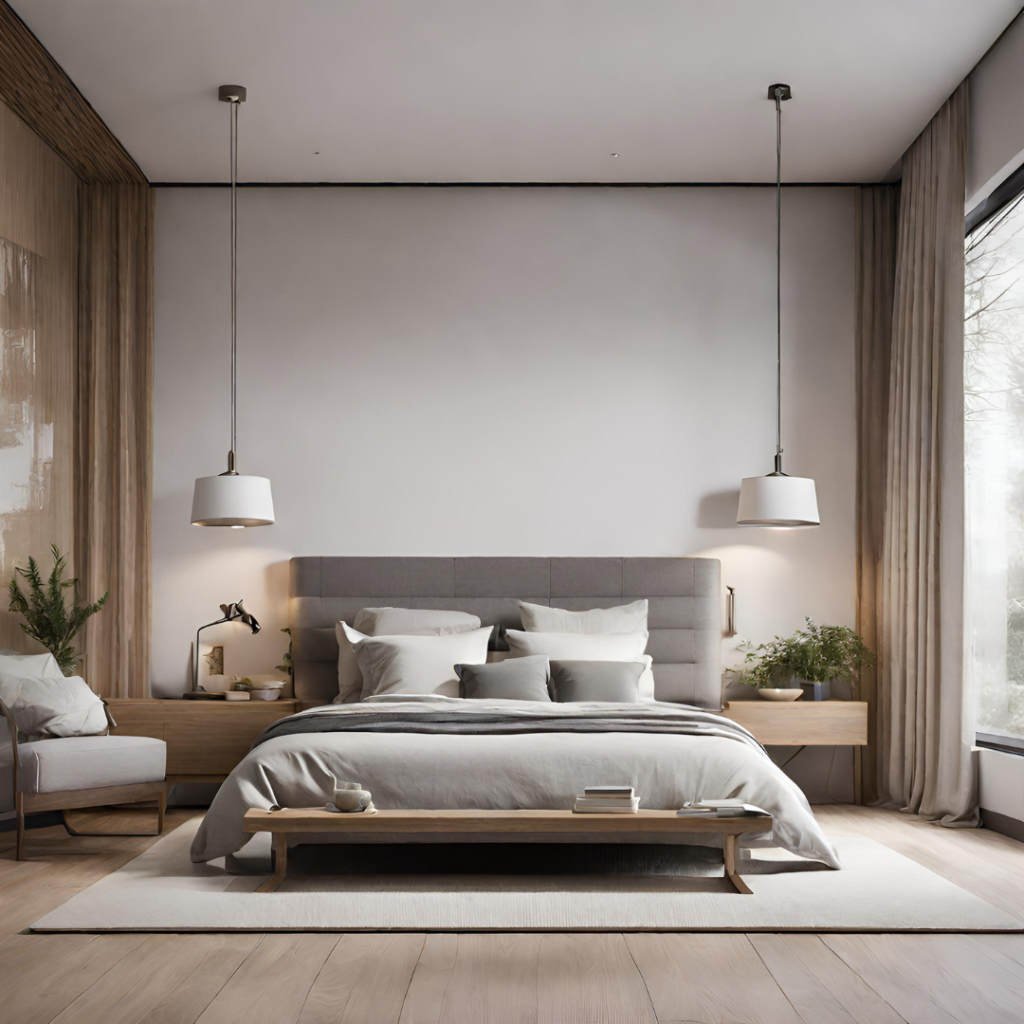
- Visual Clarity: In spaces characterized by open layouts and minimal decorations, individuals often report feeling more relaxed. Research indicates that environments devoid of clutter can significantly reduce anxiety levels. For instance, a neatly arranged living room, with only essential furniture and decorative elements, allows for a clearer perspective and an atmosphere conducive to unwinding.
- Enhanced Focus: Workspaces that lean towards minimalism—such as those with fewer distractions—can lead to heightened concentration and productivity. For example, a clean desk setup, equipped only with necessary tools, can facilitate deeper engagement with work tasks, allowing for better time management and efficiency.
- Emotional Well-Being: A well-organized environment fosters a sense of control and calm. Many studies demonstrate that people who maintain minimalistic living or work spaces often experience improved mood and lower stress levels, contributing positively to their overall mental health.
Understanding the psychological aspects tied to spatial configuration is equally compelling. Numerous studies suggest that the arrangement of objects in our environments can evoke various emotional responses, subtly influencing our behavior and decision-making processes. Thus, minimalism invites us to reflect on how reduced yet intentional spatial designs can enhance our lives, prompting a deeper exploration of its broader implications.
As we continue to investigate this paradigm, it becomes evident that adopting a minimalist approach may not only redefine our perception of space but also equip us with tools to navigate our hectic lifestyles more effectively. The practical application of minimalism extends beyond mere aesthetics; it can be a powerful catalyst for developing better organizational skills, promoting mindfulness, and cultivating a serene lifestyle.
In a world where excess is often celebrated, embracing the simplicity that minimalism offers may unlock new pathways to a balanced, fulfilling life. Consider how this lifestyle adjustment might challenge your existing norms and open doors to new ways of thinking about your environment.
DIVE DEEPER: Click here to discover minimalist techniques for boosting productivity
Understanding the Psychological Impact of Space Design
Every object in our environment carries an emotional weight, influencing our state of mind and behavioral patterns. The key principles of minimalism encourage individuals to thoughtfully select items that resonate with their values and aspirations. By doing so, they can establish spaces that not only look aesthetically pleasing but also provide psychological benefits. The psychological impacts of a minimalist approach can be profound, and understanding this influence is crucial for creating environments that foster mental well-being.
At the core of minimalism lies the concept of cognitive load. This term describes the amount of mental effort being used in the working memory. Environments cluttered with unnecessary objects can overwhelm the mind, leading to a decline in cognitive performance. Research has shown that when people are surrounded by disorder, it becomes challenging to focus, leading to increased stress and anxiety levels. In contrast, minimalist environments significantly reduce cognitive load, allowing individuals to think clearly and focus on what matters most.
- Space Utilization: Minimalism encourages efficient use of space. For instance, a compact living area with multifunctional furniture can achieve a clean, orderly look while maximizing utility. Small apartments in cities like New York often embrace this design philosophy, turning limited square footage into functional living spaces that promote a sense of freedom and comfort.
- Mindfulness and Intentionality: By curating their environments, individuals are encouraged to engage in mindfulness practices. Minimalism invites them to question the value and necessity of each item. This reflective process can lead to greater self-awareness—fostering an emotional connection to one’s belongings and, by extension, to oneself.
- Emotional Associations: The layout and contents of a space can evoke nostalgia or anxiety depending on their arrangement. By deliberately choosing minimalistic designs, individuals can create spaces that nurture pleasant memories and encourage positive emotions, distancing themselves from the chaos of clutter.
Furthermore, minimalism promotes a sense of control over one’s surroundings. This is particularly vital in a world where many feel powerless against external pressures. A decluttered space instills a sense of accomplishment and ownership, contributing to positive mental health outcomes. In fact, studies show a strong correlation between minimalism and improved emotional resilience, suggesting that when individuals take the time to declutter, they often experience significant psychological benefits.
As we explore the nuances of how minimalism shapes our perceptions of space and organization, we start to see its implications for our daily lives. By incorporating minimalist principles, we may not only redefine our physical environments but also cultivate more mindful, serene existences. Therefore, as we seek to understand the psychology of space, we should consider how a minimalist approach can challenge our conventional notions of organization and pave the way for a more harmonious lifestyle.
| Advantage | Details |
|---|---|
| Clarity of Thought | Minimalism promotes mental clarity by reducing distractions, allowing for enhanced focus on tasks and improved productivity. |
| Emotional Well-being | A minimalist environment can reduce stress and promote a sense of calmness, creating a positive psychological effect on individuals. |
The minimalist approach significantly reshapes our environment and interactions with space. The power of minimalism extends beyond aesthetics; it impacts our psychological well-being. By streamlining our surroundings, we can foster environments that encourage creativity and clarity. When unnecessary clutter is minimized, focus and productivity can soar, allowing individuals to engage in deep work without the interference of distractions. Moreover, minimalism tends to reduce visual noise, contributing to a tranquil atmosphere that can influence emotional health. Research shows that environments marked by simplicity are often linked to lower levels of anxiety, making it essential to consider how our space truly reflects our mental state. Spaces that embody minimalism promote organization and efficiency, reinforcing the connection between our environment and our psyche. This aspect invites individuals fascinated by psychology to explore further how spaces influence their personal and professional lives.
DIVE DEEPER: Click here for more insights
The Neuropsychological Aspects of Minimalism
Minimalism not only reshapes our physical spaces but also taps into critical aspects of our brain’s functioning, making it a fascinating area of study in psychology. By understanding how minimalistic environments interact with our cognitive processes, we can better appreciate their impact on our perception of organization and well-being.
Recent research highlights that environments designed with minimalistic principles can enhance attention regulation. The human brain processes visual stimuli selectively, meaning that a cluttered environment can hinder our ability to focus by bombarding our senses. In minimalist spaces, the reduction in visual distractions allows for easier navigation through thoughts and tasks. For instance, workplaces that adopt minimalism often report improved productivity rates among employees, as they can concentrate better without the interruptions caused by overwhelming surroundings.
Moreover, minimalism aligns closely with the concept of environmental psychology, which examines how physical spaces influence human behavior and emotions. Studies reveal that decluttering one’s space can significantly alter mood states and even aid in alleviating symptoms of anxiety and depression. For example, homeowners who embrace minimalistic design are likely to report feelings of tranquility compared to those who live in cluttered environments. This correlation suggests that simplicity can promote emotional stability, grounding individuals in an increasingly chaotic world.
- Biophilic Design: Minimalism frequently intersects with biophilic design principles, which emphasize our inherent connection to nature. Incorporating natural elements, such as indoor plants or natural light, within minimalist frameworks can further enhance mental health. A study from the University of Exeter found that incorporating nature into indoor spaces reduces stress and boosts creativity, proving that the psychology of space is inherently tied to the environment.
- The role of color: Minimalism often embraces a limited color palette, which can influence our emotions and behaviors as well. Warm, neutral shades provide a comforting effect, fostering relaxation and reducing aggression. On the other hand, bright colors in moderation may boost creativity and energy, showcasing how color choice in minimalist spaces can evoke distinct emotional responses.
In settings where individuals feel stressed or overwhelmed, such as urban living spaces in cities like San Francisco or Chicago, adopting minimalism can offer a calming antidote. By stripping away excess, residents can reclaim their personal spaces as sanctuaries for peace and rejuvenation. This practice not only impacts individual lives but can foster healthier communities, reshaping cultural norms around consumption and ownership.
Additionally, minimalism echoes the principles of sustainable living. As society becomes more aware of consumption’s environmental impacts, many are turning to minimalism as a lifestyle choice that promotes sustainability. This aligns with psychological well-being as individuals feel empowered to make choices that have positive implications for both their mental health and the planet. This synergy between personal well-being and environmental responsibility can create a fulfilling sense of purpose beyond the material.
The exploration of minimalism and its psychological implications provides a rich backdrop for understanding how our environments affect us. By embracing minimalistic ideals, we can not only restructure our physical spaces but also cultivate a deeper sense of emotional clarity and well-being, allowing us to lead more intentional lives.
DISCOVER MORE: Click here to optimize your space
Conclusion
In conclusion, the exploration of minimalism reveals a profound interplay between our physical surroundings and mental well-being. As we have seen, the principles of minimalism extend beyond mere aesthetics, significantly influencing our perception of space and fostering a deeper sense of organization in our lives. By prioritizing simplicity and functionality, minimalist spaces can enhance focus and attention regulation, allowing individuals to navigate their tasks and thoughts with increased clarity.
The psychological benefits of minimalism, reinforced by studies in environmental psychology, illuminate how our environments can impact moods, reduce anxiety, and promote emotional stability. In a world rife with distractions and chaos, the adoption of minimalist practices serves as an antidote—transforming cluttered homes into serene sanctuaries conducive to mental peace.
Importantly, as modern society grapples with issues surrounding consumption and sustainability, minimalism emerges as a dual solution. It aligns personal wellness with environmental responsibility, encouraging individuals to make choices that not only benefit their mental state but also have a positive ripple effect on the planet.
Ultimately, embracing minimalism offers us a powerful lens through which we can reinterpret our spaces and lives. It invites us to consciously consider what we value and how our environments can reflect these values—leading to a more intentional way of living that prioritizes well-being over material accumulation. By exploring the psychology of space through the minimalist framework, we can cultivate not just organized spaces, but enriched lives, ultimately illuminating the path toward holistic happiness.