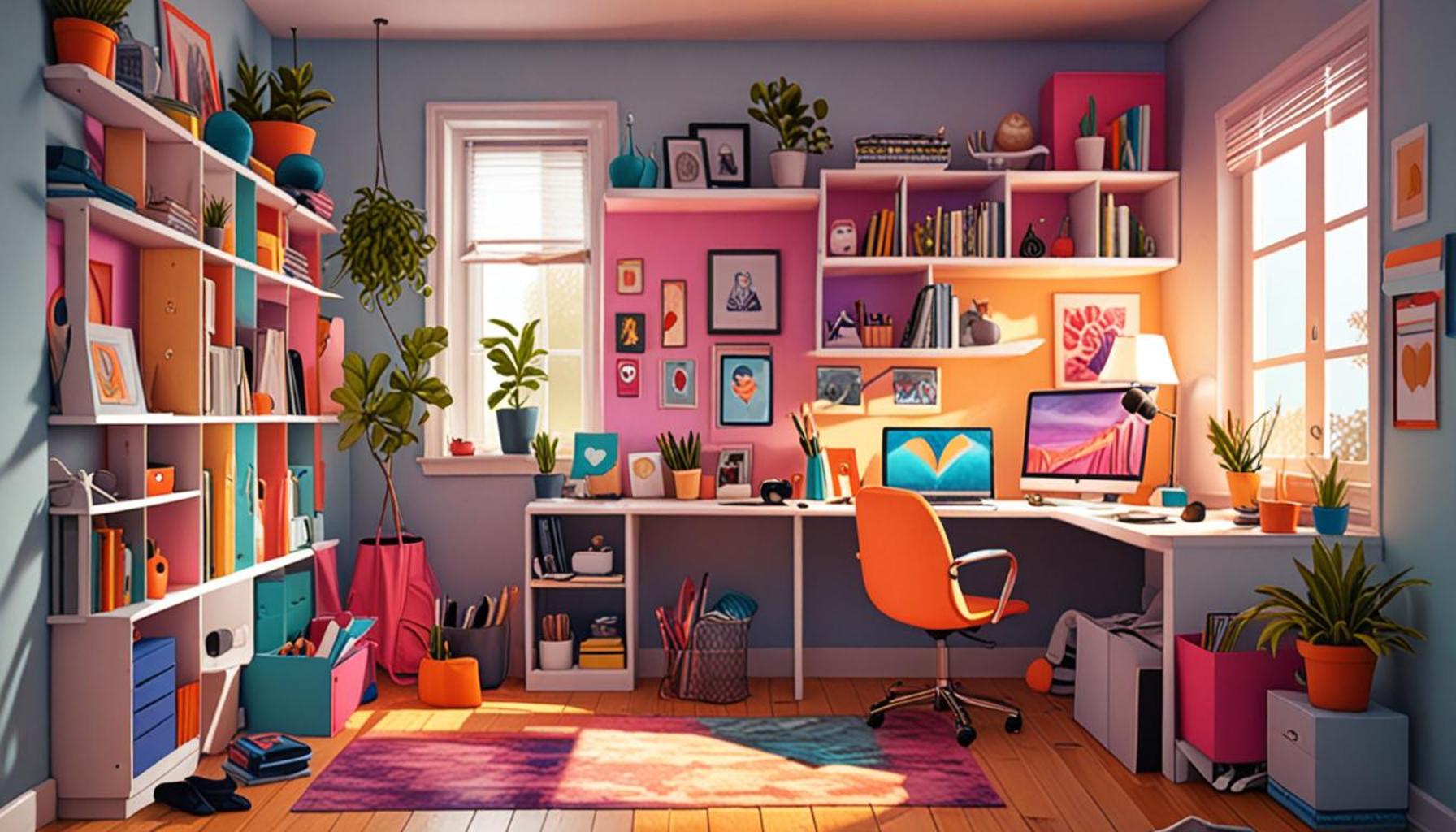
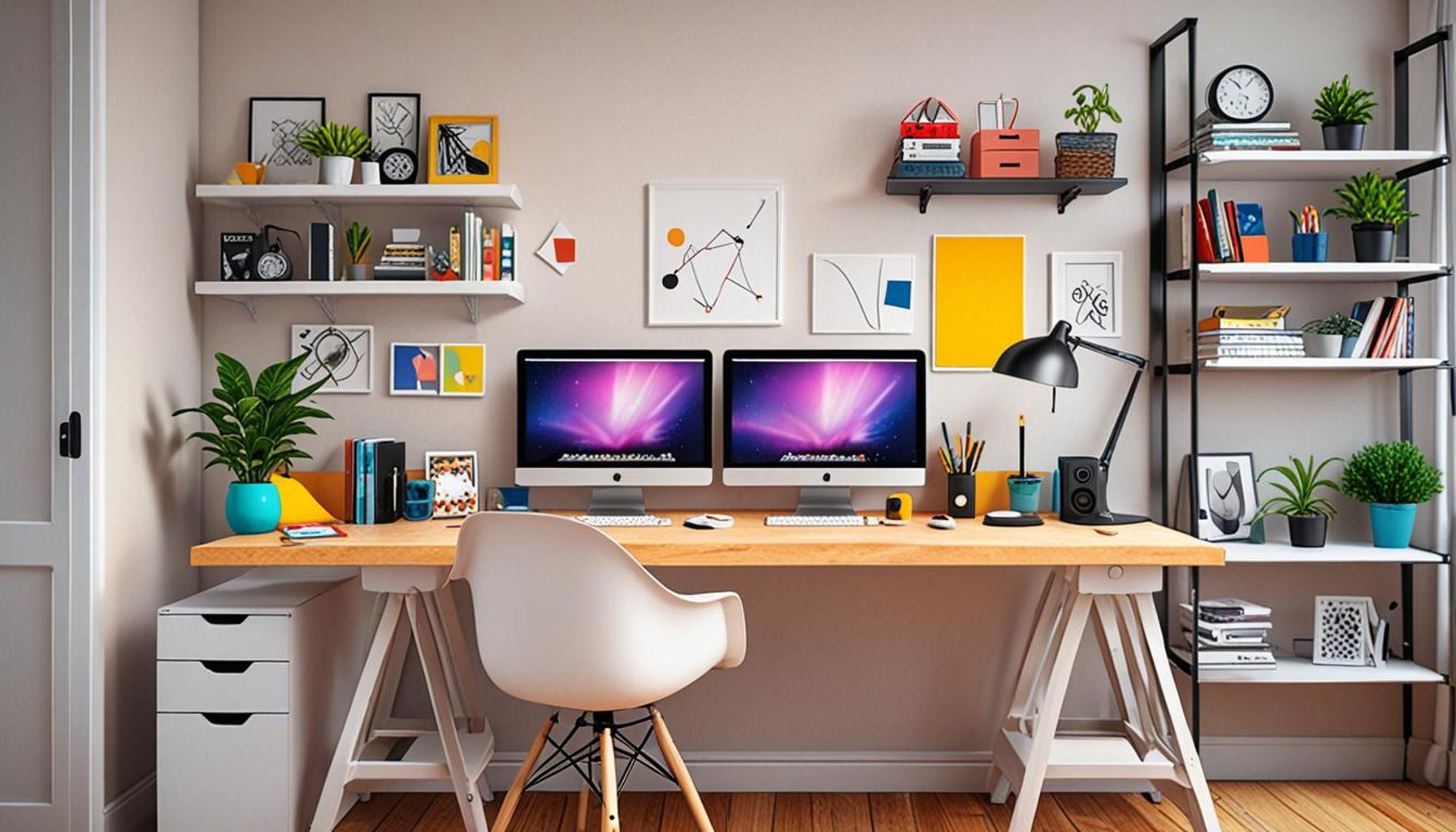
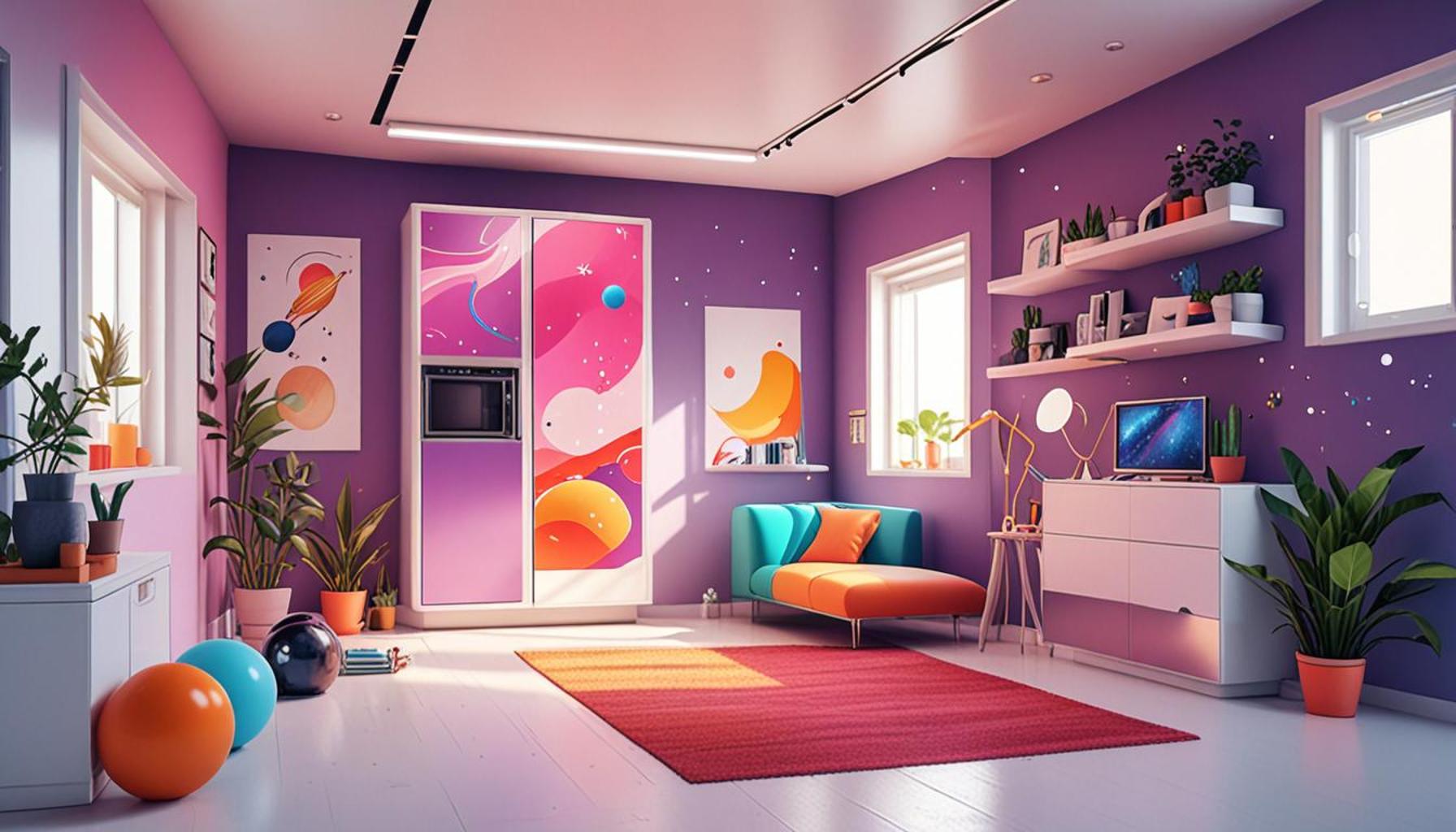
The Role of Technology in Space Optimization: Smart Solutions for Minimalist Living
Understanding Space Optimization Through Technology
As urbanization continues to rise, particularly in bustling locales like New York City and San Francisco, the concept of valuable living space has evolved significantly. Many individuals are finding themselves in apartments that are not just compact but often characterized as tiny. In this environment, the innovative technology now available aids in crafting homes that do not sacrifice comfort or style for space. Through smart home solutions and adaptable designs, residents are discovering how to transform their limited environments into functional and inviting spaces.
Smart Furniture
Smart Furniture stands at the forefront of this shift. Designers are creating pieces that not only fulfill traditional roles but also adapt to the needs of their users. Take, for example, a foldable desk that can be tucked away into the wall or a convertible sofa that transforms into a cozy bed. These items elevate everyday living while minimizing clutter. A growing trend involves furniture equipped with technology, such as tables with integrated charging stations for devices, further merging style with functionality. After all, furniture should enhance living spaces, not overwhelm them.
Home Automation
Another technological advancement paving the way for optimized living is Home Automation. Systems that manage lighting, heating, and even appliances remotely can create the ideal atmosphere without the need for excessive fixtures or furnishings. For instance, smart thermostats can be programmed to adjust temperatures based on occupancy, which not only saves energy but also creates a comfortable haven within a small space. Additionally, smart lighting that adjusts brightness based on the time of day can significantly enhance the overall mood and feel of a room, allowing it to open up visually without needing to physically alter it.
Optimized Storage Solutions
Storage plays a critical role in any home, especially when square footage is limited. Utilizing Optimized Storage Solutions, such as modular shelving with digital inventory applications, can help individuals keep track of their belongings efficiently. A popular example includes the use of closet organizers that can be adapted and expanded as storage needs change. Furthermore, apps allow users to catalog items, making it easy to find what they need without rummaging through clutter. This not only preserves the aesthetic of minimalist decor but fosters a more organized and intentional lifestyle.
A Lifestyle Revolution
As we explore the myriad ways technology is facilitating this cultural shift, it becomes clear that it is more than just an enhancement for the home; it is a lifestyle revolution. Embracing these innovative solutions encourages individuals to make conscious choices, promoting a balance between functionality and personal style. In cities nationwide, this movement is reshaping how people live, pushing boundaries while fostering a community that values sustainability and simplicity. By delving deeper into these trends, we open the door to a future where living with less truly leads to enjoying more.
DISCOVER MORE: Click here to find out how
Innovative Technology and Its Impact on Minimalist Living
In a world where urban living space is often at a premium, the integration of technology into the realm of space optimization has become essential for those embracing a minimalist lifestyle. This melding of cutting-edge tech with innovative designs not only enhances functionality but also elevates the aesthetic appeal of small living spaces. As individuals increasingly seek to maximize their environments, they are discovering a myriad of solutions that cater to both practical needs and personal tastes.
The Rise of Multi-Functional Spaces
One of the most compelling aspects of modern technology is its ability to facilitate the creation of multi-functional spaces. Homeowners and renters alike are realizing that their environments can serve multiple purposes, thus reducing the need for excess furniture and appliances. This shift is evident in:
- Wall beds that seamlessly fold away when not in use, freeing up floor space during the day.
- Convertible dining tables that expand to accommodate guests and shrink back for intimate meals.
- Smart mirrors that offer lighting adjustments and information displays, serving both decorative and functional roles.
Such innovations not only reflect the importance of adaptability but also position technology as a critical player in achieving optimal living conditions. With these intelligent designs, homeowners are no longer bound by the limitations often associated with small spaces.
Enhanced Connectivity for Better Living
The role of connectivity in space optimization cannot be overlooked. Smart home devices, interconnected through IoT (Internet of Things), allow users to control various aspects of their living environment through smartphones or voice commands. This enhanced connectivity promotes a lifestyle where efficiency thrives. For example, lighting systems can be programmed to adjust automatically based on natural light levels, enhancing both energy efficiency and ambiance. Similarly, smart appliances can be scheduled to operate during off-peak hours, helping residents save on utility bills.
Moreover, apps dedicated to home organization and management have surged in popularity, with features that make it easy to manage tasks, schedules, and inventories. This increased connectivity not only simplifies daily living but also empowers individuals to curate their spaces intentionally.
Sustainability and Minimalism
As the minimalist movement gains traction, there is a growing emphasis on sustainability through technology. Smart solutions are often designed with eco-friendliness in mind, ensuring that space optimization doesn’t come at the expense of the environment. Features such as energy-efficient lighting, water-saving fixtures, and sustainable materials in furniture and design have become standard. Thus, the minimalist lifestyle is increasingly aligned with responsible consumption and environmental impact.
This integration of technology with minimalist ideals points to a future where residents can live comfortably while embracing a smaller footprint. Moving forward, these smart solutions are poised to not only change how we interact with our homes but also redefine our relationship with the spaces we inhabit.
| Smart Storage Solutions | Advantages of Smart Technology in Minimizing Space |
|---|---|
| Modular Furniture Systems | Develop customizable layouts that adjust according to user needs, thus maximizing space utilization. |
| Smart Home Technology | Optimizes energy consumption and enhances ambiance while creating a minimalist setup that is efficient. |
In today’s world, the convergence of technology and space optimization is entirely reshaping how we perceive and adopt minimalist living. With the advent of smart storage solutions, such as modular furniture systems, individuals are empowered to create adaptable environments that cater to their dynamic lifestyle. By enabling tailored configurations that fit various needs, these intelligent designs play a crucial role in ensuring every square foot is utilized to its maximum potential.Additionally, integrating smart home technology not only elevates the aesthetics of a spacious environment but also contributes to sustainability. This multifaceted approach to minimalist living promotes energy efficiency and a streamlined lifestyle, striking the perfect balance between functionality and minimalism. As technology continues to evolve, further advancements in space optimization are anticipated, encouraging a more simplified, organized, and serene living experience.
DISCOVER MORE: Click here to unlock techniques for enhancing your focus and creativity
Smart Technologies Revolutionizing Minimalist Living
As the minimalist lifestyle continues to resonate with individuals seeking simplicity and efficiency, the role of smart technologies becomes increasingly pivotal. The essence of minimalist living revolves around the idea of “less is more,” and a plethora of new tech innovations are stepping in to support this philosophy. From smart storage solutions to digital organization tools, technology is transforming how we interact with our living spaces.
Smart Storage Solutions
Storage has always been a challenge in smaller homes; however, advancements in technology are paving the way for innovative storage solutions that cater specifically to minimalist living. For instance, automated closets enable users to store and retrieve items through voice commands or smartphone apps. These systems can even track what is stored within, minimizing clutter and optimizing the use of space. Another exceptional innovation is the emergence of modular furniture, which comprises interlocking units that can be adjusted and reconfigured depending on the user’s needs. This flexibility allows residents to maximize their available space without sacrificing style or functionality.
Furthermore, technology-driven smart organizers assess a homeowner’s belongings and recommend ways to declutter and organize, ensuring an intentional living environment. Combined, these intelligent solutions make it easier for individuals to maintain a tidy, streamlined home that resonates with minimalist ideals.
Efficient Home Layouts through Augmented Reality
The introduction of augmented reality (AR) apps to home design and organization has revolutionized how potential homeowners and renters envision their spaces. Through AR applications, users can visualize how furniture, décor, and appliances will fit within their home before making a purchase. This interactive approach not only simplifies the design process but also reinforces the minimalist ethos by promoting thoughtful consumption. It encourages individuals to buy only what suits their needs rather than impulse purchases that clutter their homes.
AR technology allows for the exploration of diverse layouts, enabling residents to experiment with maximizing their space without costly renovations. By seeing potential arrangements in real-time, users can optimize their homes based on functionality as well as aesthetic preferences.
AI and Smart Home Management
The integration of artificial intelligence (AI) into home management systems is rapidly enhancing the efficiency of living spaces, especially for those adopting minimalist living. Smart assistants, such as Amazon Alexa or Google Home, are becoming indispensable tools for maintaining order and streamlining daily tasks. These AI systems can schedule reminders, manage grocery lists, and streamline household chores through connected devices, reducing the mental load associated with home management.
In addition, AI-powered systems analyze daily routines to suggest energy-saving options, such as adjusting thermostats or managing water usage—all vital aspects of minimalist living that prioritize sustainability. Ultimately, the use of smart technologies and AI not only aids in decluttering physical spaces but also contributes to a more organized and productive lifestyle.
The Future of Minimalist Living
The trend towards minimalism is likely to continue growing as people increasingly recognize the benefits of a simplified lifestyle. With technology acting as an enabler, customized solutions aimed at space optimization are becoming more accessible and user-friendly. As advances in smart home technology evolve, we can foresee an era in which space optimization not only offers functionality but also reflects the values of sustainability and conscious living.
DISCOVER: Click here to learn how essentialism can boost your productivity
Conclusion
As we navigate the intersection of technology and minimalist living, it becomes increasingly clear that innovation is steering us towards more efficient and intentional lifestyles. The evolution of smart storage solutions, augmented reality for home design, and AI-assisted management systems has paved the way for a transformative approach to space optimization. By integrating these sophisticated tools into our daily lives, individuals can embrace the minimalist philosophy of “less is more” while enjoying enhanced functionality and sustainability.
The synergy of technology with minimalist principles not only simplifies our living environments but also promotes conscious consumption—a crucial aspect of modern living that prioritizes both personal well-being and environmental stewardship. As we see a growing interest in creating intentionally curated spaces, the accessibility and user-friendliness of these smart solutions will play a vital role in shaping the future of housing.
Ultimately, the challenge lies in leveraging these advancements without succumbing to the allure of excess. By remaining committed to the principles of minimalism while utilizing the best that technology has to offer, we can create homes that are not only organized and beautifully designed but also reflect our values of simplicity and sustainability. As we step into an era marked by rapid technological advancements, the potential for space optimization will continue to inspire and redefine the way we live. This ongoing dialogue between technology and minimalism invites us to rethink our relationship with our spaces and the possessions we fill them with, opening a pathway to a more thoughtful and harmonious way of living.