The Impact of Color and Texture on Space Optimization in Minimalist Interiors
Understanding the Elements of Minimalist Design
Color and texture are not merely aesthetic choices; they play a critical role in space optimization, especially within the realm of minimalist interiors. The significance of these elements extends beyond decoration; they can transform how a space feels and functions, bridging the gap between utility and style.
Why Focus on Color and Texture?
- Color influences mood: The psychological effects of color are well-documented. For instance, soft blues and greens can evoke feelings of calmness and serenity, making them ideal for bedrooms or meditation spaces. In contrast, vibrant hues like yellows or reds can invigorate a room, inciting energy and creativity—perfect for a home office setup.
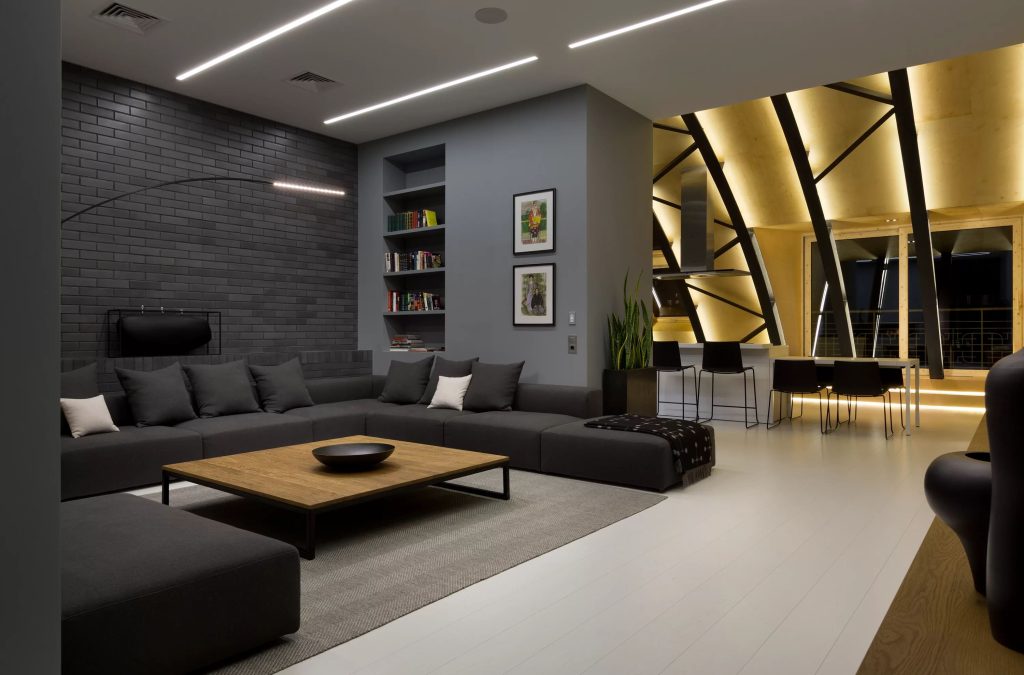
- Texture adds depth: In minimalist homes, where simplicity is key, the introduction of varied textures can create visual interest without overwhelming the space. A smooth, white wall paired with a chunky knit throw or a sleek wooden coffee table alongside soft linen cushions can create a layered yet cohesive aesthetic.
- Optimization potential: Thoughtful choices in color and texture can dramatically enhance the perception of space. For example, utilizing light colors like pale gray or soft beige can make small living areas feel more expansive. Additionally, using reflective materials—such as glossy finishes or mirrors—can further amplify light and space.
In minimalist design, where less is more, these elements are essential for achieving both form and function. For instance, using large, unadorned windows can flood a compact room with natural light, further complemented by light, airy colors that prevent the feeling of confinement. Strategic textural elements, such as an accent wall with raw concrete finish, can draw the eye and promote a harmonious flow throughout the environment.
Trends and Considerations
Current trends show a rise in the use of sustainable materials and earthy tones, further enhancing the minimalist aesthetic. Designers are increasingly leaning towards materials like reclaimed wood, bamboo, and natural fibers in their projects. These choices not only appeal to environmentally conscious consumers but also add an authentic, warm feel to modern designs.
Understanding the impact of these elements is vital for anyone looking to create a cohesive and optimized living environment. For example, incorporating elements of color psychology and tactile experiences can transform conventional spaces into sanctuaries of comfort and functionality. Beyond mere decoration, these choices can elevate a room’s purpose, guiding how residents interact with their surroundings on a daily basis.
Join us as we dive deeper into how color and texture can redefine your space. Exploring various color palettes and textures can spark creativity and open the door to innovative design solutions that align with minimalist principles, ensuring that every element serves a meaningful purpose.
DISCOVER MORE: Click here for insightful tips
Exploring Color Preferences in Minimalist Designs
In the realm of minimalist interiors, color serves as a defining force that can dictate not only aesthetics but also the overall functionality of a space. When embarking on a design project, understanding the impact of color choices is key to optimizing the spatial experience. Different color palettes can invoke distinct emotions and responses, ultimately guiding the intended atmosphere of each room.
The Psychology of Color in Space Optimization
Color psychology provides critical insights for homeowners and designers alike, revealing how specific shades can influence mood and behavior. Here are some common color choices and their effects:
- Whites and Neutrals: Soft neutral tones like whites, creams, and light grays can create an airy feel, making spaces appear larger and more open. By reflecting light, these shades enhance the perception of depth and clarity, which is essential in compact interiors.
- Cool Blues and Greens: Colors such as soft blue or muted green are known to promote calmness and tranquility. These shades can be particularly effective in bedrooms or relaxation spaces, where soothing environments are paramount.
- Warm Earthy Tones: Choosing warm browns, rusty oranges, or muted terracotta can foster a sense of comfort and grounding. Such colors are increasingly popular within minimalist design as they connect inhabitants with nature, creating an inviting atmosphere.
When integrating these colors into a minimalist interior, it is crucial to leverage their strengths. For instance, a large living room painted in a soft beige with minimal furnishings can create an open feel, while strategically placed accents in bolder colors—such as a rich dark green armchair—can draw the eye and create focal points without overwhelming the space.
Utilizing Texture for Enhanced Space Dynamics
While color creates the canvas of minimalist design, texture adds the paint strokes that create dimension and interest. In interiors where clutter is often minimized, texture becomes an essential element for creating warmth and tactile appeal. Here’s how texture can enhance a minimalist space:
- Layering Textures: Mixing various materials, such as a sleek marble countertop with rustic wood shelving or woven textiles, can provide depth without sacrificing simplicity. This approach invites touch and enhances sensory engagement, making the space feel dynamic.
- Contrast for Visual Interest: Introducing textured elements such as a plush rug or a knitted throw can contrast stark lines and hard surfaces common in minimalist designs. These small additions encourage comfort while adhering to a streamlined aesthetic.
- Strategic Use of Colorful Textures: Incorporating textured objects—like a ceramic vase or a handmade fabric—can infuse character into a room while keeping a minimalist tone. Subtle, textured colors can respond to natural light, further enhancing the visual space.
In conclusion, understanding the impact of color and texture is vital for achieving an optimized interior that resonates with minimalist principles. Through thoughtful selections, you can cultivate a serene and functional environment that balances simplicity and style, inviting inhabitants to not only occupy the space but also to thrive within it.
The Role of Color in Space Perception
Color has a profound effect on how we perceive space within minimalist interiors. Lighter shades, such as whites and pastels, create an illusion of openness and airflow, making rooms feel larger and more inviting. The psychological impact of color also plays a significant role; for example, blues can evoke calmness and tranquility, while yellows can add a cheerful vibrancy. The strategic use of color can draw attention to certain areas of a room, leading to a more organized appearance and enhancing the overall aesthetic. One of the key principles in minimalist design is to use color ritually and purposefully, guiding the way light interacts with the surfaces and objects within the space.
Texture’s Contribution to Depth
Texture is equally crucial in the optimization of space as it adds depth and interest to minimalist interiors without overcrowding them. Smooth, reflective surfaces such as glass or polished metal can amplify natural light and enhance the feeling of spaciousness. Conversely, incorporating softer textures like fabrics and organic materials can create warmth and a welcoming atmosphere. A balanced integration of various textures adds visual complexity, while still maintaining the simplicity that characterizes minimalism. For instance, pairing a sleek, modern sofa with a textured wool throw can provide both comfort and aesthetic appeal, drawing the eye and breaking the monotony of flat surfaces.
Creating Cohesion Through Color and Texture
To effectively optimize spaces, it is essential to create cohesion between color and texture. Selecting a harmonious color palette can help in establishing a unified theme. Each color and texture should complement the others without overwhelming the senses. This thoughtful approach allows for uninterrupted flow throughout the room, maintaining a clear focal point that aids in perception and organization. As more homeowners turn towards minimalist living, understanding the powerful impact of color and texture will be indispensable in achieving success in space optimization.
| Advantages of Color | Advantages of Texture |
|---|---|
| Enhances perception of space | Adds visual interest without clutter |
| Establishes mood and atmosphere | Balances simplicity and comfort |
By skillfully understanding and applying the principles of color and texture in minimalist interiors, designers and homeowners can create spaces that feel both expansive and inviting, furthering the trend towards smart, efficient living environments.
DISCOVER MORE: Click here to learn how to say no effectively
Maximizing Functionality through Strategic Color and Texture Choices
As we delve deeper into the impact of color and texture on space optimization in minimalist interiors, it’s essential to consider their practical implications alongside their aesthetic values. The successful balance of both elements can lead to spaces that are not only visually appealing but also maximally functional, catering to the needs of inhabitants without unnecessary frills.
Optimizing Small Spaces with Color
In ultra-urban settings, where small living quarters have become the norm, color choice becomes a critical factor in spatial perception. Research by design experts suggests that lighter colors can significantly affect how we perceive space. Soft pastels and whites can create a myth of greater size, allowing even the smallest living areas to seem expansive and welcoming. For instance, the use of pale shades on walls combined with light-colored furnishings can help blur the boundaries of a room.
Conversely, deeper hues can be strategically used to establish zones within open-plan layouts. By painting a kitchen nook in a darker shade, homeowners can delineate the cooking area from the living space, without the need for cumbersome partitions. This technique also encourages depth, making the entire space feel more layered and inviting, as seen in many contemporary studios across metropolitan regions in the United States.
Textural Innovations That Transform Experience
Texture elevates a minimalist interior by weaving together the otherwise stark elements of a space. The careful selection of materials can enhance the quality of light and shadow within the area, creating an inviting atmosphere rather than a cold, clinical environment. For example, integrating plush textiles such as a soft faux fur or a chunky knit throw can counterbalance sleek surfaces like polished concrete or metal. This juxtaposition adds warmth and engagement, appealing to our tactile senses.
- Textured Walls: Applying textured wallpaper or wood paneling to a single accent wall can introduce rich visual interest without clutter. Such treatments work wonders in maintaining a minimalist aesthetic while ensuring that the walls are far from flat and uninspired.
- Natural Elements: Incorporating organic textures, such as stone or handmade ceramics, offers a connection to nature, which is increasingly valued in modern design. The irregularities and variety in these materials can stand as focal points, serving to enhance the theme of simplicity rather than detracting from it.
Color and Texture: Holistic Harmony
Harnessing the synergy between color and texture can yield an even more holistic design approach. For example, a space adorned with soft, pastel-colored cushions combined with various textured throws can invite interaction while keeping the decor minimalistic. Additionally, this interplay fosters a more engaging atmosphere, encouraging relaxation and creativity, especially in work-from-home environments that have gained popularity.
It is also worth noting that the psychological effects of color and texture extend beyond mere appearance; they can enhance productivity and mental clarity. Studies indicate that certain colors, like calming blues paired with tactile elements, can foster a conducive workspace by minimizing stress and distractions. As a result, thoughtful integration of color and texture can optimally shape the function of minimalist interiors.
DISCOVER MORE: Click here to unlock productivity tips
Conclusion: Embracing the Power of Color and Texture in Minimalist Design
In the quest for enhanced functionality within minimalist interiors, the strategic use of color and texture emerges as a vital consideration. By understanding how these elements can manipulate spatial perception, designers and homeowners alike can create environments that not only appear larger and more inviting but also foster a sense of tranquility and productivity. Implementing lighter hues can visually expand small spaces, while darker tones can effectively define areas without compromising the open feel that minimalism aims to achieve.
Moreover, the thoughtful application of texture adds depth and warmth to otherwise stark environments. Material choices, whether through the use of soft textiles or organic finishes, enrich the sensory experience and provide the necessary balance to minimalist design. This aspect is paramount in modern urban settings, where the integration of nature-inspired textures can act as a reprieve from the rigors of city life.
Ultimately, the harmonious interplay between color and texture not only enhances the aesthetic appeal of a space but also significantly contributes to its functionality. As we continue to navigate the challenges of contemporary living, understanding these dynamics will be essential. By tapping into the soothing capabilities of color and the inviting qualities of texture, we can optimize our interiors for both comfort and efficiency, paving the way for a more serene and purposeful lifestyle. This home design philosophy invites us to explore how our living spaces can evolve into sanctuaries that truly reflect our needs and well-being.