Transform Minimalist Spaces into Functional Homes with Space Optimization
Unlocking the Potential of Minimalism
In today’s fast-paced world, the minimalism movement has gained traction as people seek simplicity amidst chaos. By focusing on what truly matters, individuals find peace in decluttered spaces. However, mere minimalism is not enough; space optimization is crucial to transforming these clean environments into functional homes.
The Importance of Space Optimization
Understanding how to effectively utilize available space can elevate a minimalist lifestyle. Here are a few reasons why space optimization is essential:
- Enhances functionality: A well-organized home supports daily activities.
- Promotes mental clarity: A clutter-free environment fosters a calm mindset.
- Increases livability: Clever design makes small spaces feel larger and more inviting.
This article will explore how to marry minimalism with practical organization. Get ready to discover the Top 5 tips for optimizing space and turning your minimalist abode into the functional sanctuary you’ve always dreamed of.
Top 5 Ways Space Optimization Can Transform Minimalist Environments into Functional Homes
In today’s fast-paced and often overwhelming world, adopting minimalism as a lifestyle choice has gained significant traction. It’s not just about decluttering physical spaces but about embracing a mindset that prioritizes living with intention. A key component of this lifestyle is space optimization, which seeks to make the most out of every square foot available, turning minimalist environments into homes that are both functional and aesthetically pleasing. In this article, we delve into the top five strategies that can profoundly enhance minimalist living spaces through effective space optimization.
5. Multi-Functional Furniture: The Hero of Space Optimization
In a minimalist home, every piece of furniture should serve a dual purpose, maximizing utility without sacrificing style. Multi-functional furniture is the cornerstone of space optimization in minimalism. This approach is particularly beneficial in urban settings where living spaces are typically smaller, like studio apartments or compact lofts. By integrating furniture that serves more than one function, you can effortlessly transition a single room to suit various tasks throughout the day. For instance:
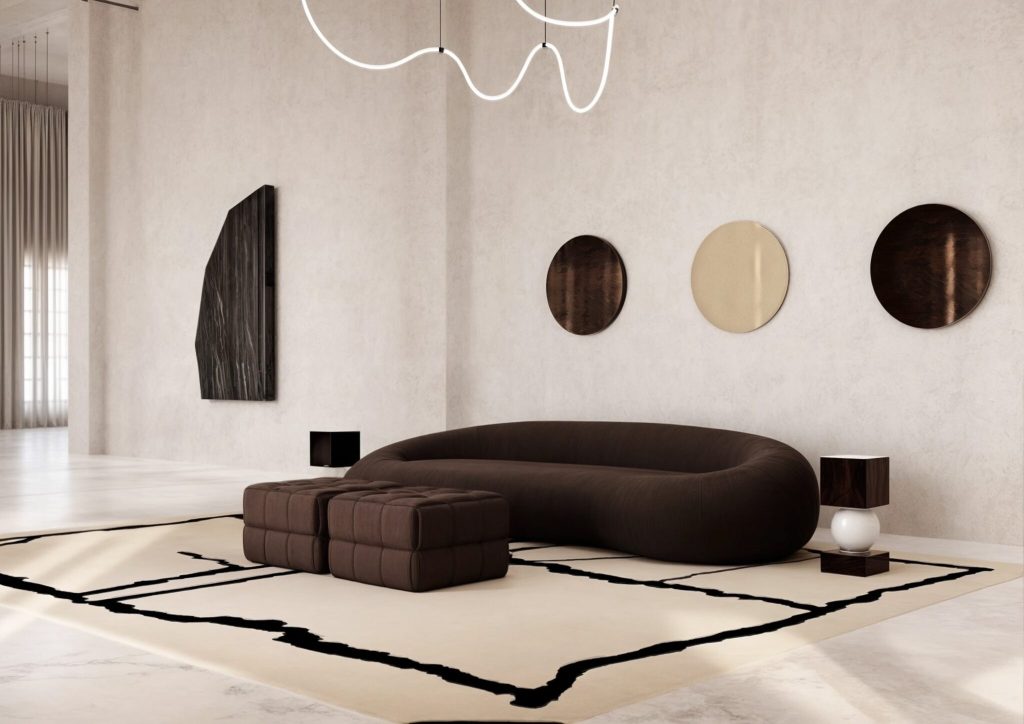
- Sofa beds: These can instantly convert a living room into a comfortable guest space. Consider investing in a design that offers a quick transformation mechanism, saving time and effort.
- Storage ottomans: Not only do they provide an aesthetically pleasing seating option, but they can also house items like blankets or magazines, maintaining a clutter-free space.
- Extendable dining tables: These tables can be compacted for day-to-day usage and then expanded for hosting larger gatherings, making them perfect for a transitionary lifestyle.
The integration of such pieces encourages a lifestyle that is not only aesthetically appealing but also economically wise, considering that fewer individual furnishings need to be purchased.
4. Vertical Space Utilization: Reach for the Heights
Minimalist interiors often focus on clean lines and open spaces, which might lead one to overlook the valuable real estate above ground level. Effective use of vertical space can accommodate more storage without encroaching on floor space. For example, tall bookcases can display books and decorative pieces while acting as a room divider in an open-plan setting. Additionally, wall-mounted shelves and hooks are invaluable for their capacity to keep items accessible yet out of the way. Here’s how you can make the most out of your vertical space:
- Floating shelves: Perfect for bathrooms and kitchens to keep toiletries and utensils in an organized manner.
- Cascading wall hooks: Offer a creative solution for storing bicycles or large backpacks.
- Hanging organizers: Excellent for adding storage inside closets for shoes or accessories.
Utilizing vertical space effectively maintains a minimalist aesthetic while enhancing the functional capacity of the home.
3. Declutter Regularly: The Importance of Non-attachment
The essence of minimalism hinges on the art of decluttering—not merely once but as a routine practice. Regular decluttering promotes a mindset of non-attachment, allowing individuals to evaluate the real value of items in their home. This process actively reduces physical and mental clutter, paving the way for a serene living space. Here are a few tips to keep in mind:
- Implement a decluttering schedule: This could be monthly or tied to seasons, ensuring that every corner of your home is consistently revisited.
- Adopt the ‘one in, one out’ rule: Whenever a new item enters your home, an old one should leave to maintain balance.
- Evaluate sentimental items: Reserve a dedicated space for cherished memorabilia, keeping them organized and manageable.
The appeal of this method lies in its simplicity, driving home the point that sometimes less is indeed more.
2. Smart Storage Solutions: Creativity Meets Functionality
Space-constrained living environments call for ingenious storage solutions that blend creativity and practicality. These smart strategies ensure that a minimalist design remains approachable and doesn’t impede daily routines. Options such as under-bed storage solutions or cabinetry with built-in shelving provide seamless integration of storage without negatively impacting the overall look. Here’s how smart storage can enhance your space:
- Under-bed storage boxes: These serve the dual purpose of hidden storage and make cleaning under the bed easier.
- Built-in storage: If renovating, consider built-in cabinets that blend with the room’s architecture.
- Foldable furniture: Provides flexibility and can be tucked away when not in use, clearing floors and surfaces.
Exploring different configurations allows each home to find uniquely tailored solutions that reflect its functional needs and character.
1. Minimalist Design Principles: Functionality at the Core
At the heart of transforming a minimalist space into a functional home lie fundamental design principles that emphasize simplicity and utility. These principles dictate that every element in the home contributes positively to its use without adding unnecessary complexity. Key aspects to focus on include:
- Open floor plans: Create unobstructed flow, allowing for flexible spaces that can evolve over time.
- Neutral palettes: Use natural tones that enhance light and space, fostering an environment of calm.
- Intentional decor: Each accessory and piece of art should add meaningful value, maintaining a curated and cohesive look.
This approach yields spaces that are not only pleasing to the eye but also fundamentally aligned with the owner’s lifestyle, offering ease of movement and a sense of tranquility.
In conclusion, as our exploration of space optimization reveals, creating a truly functional minimalist home is an art form that combines strategic design choices with intentional living. By incorporating multi-functional furniture, making use of vertical spaces, maintaining a regular decluttering routine, employing smart storage solutions, and adhering to minimalist design principles, any living space can be transformed into a sanctuary that resonates with simplicity and efficiency. Embrace these strategies to uncover new levels of functionality within your home, and explore how minimalism can lead to more fulfilling living.
| Category | Details |
|---|---|
| Space Efficiency | The meticulous arrangement of furniture and decor allows for every square foot to serve a purpose, maximizing usability without sacrificing aesthetic appeal. |
| Enhanced Functionality | By integrating multifunctional furniture, minimalist spaces become adaptable, catering to various needs such as work, relaxation, or entertaining, thus transforming them into true living spaces. |
| Visual Cohesion | A minimized color palette and streamlined design create a sense of harmony, making spaces appear larger and more inviting, fostering an atmosphere of tranquility. |
| Sustainability | A focus on fewer, but better-quality items encourages eco-friendly choices, such as sustainably sourced furniture, contributing to a more environmentally conscious lifestyle. |
In exploring how space optimization transforms minimalist environments into functional havens, we recognize that efficient space usage leads to significant improvements in living experiences. Each room can serve multiple purposes, a necessity in today’s often limited living spaces. This adaptation fosters a unique synergy between practicality and design, where every element is chosen for its utility.The concept of enhanced functionality holds great importance; consider furniture that incorporates hidden storage. A coffee table with an internal cavity for magazines or a sofa bed that serves both seating and sleeping functions not only saves space but also unifies form and function. This approach makes it more feasible for residents to enjoy both solace and productivity in the same environment.Moreover, adopting a strategy focused on visual cohesion eliminates clutter and emphasizes streamlined aesthetics, invoking calmness in living spaces. For instance, a monochromatic color scheme with carefully selected accent pieces can greatly enhance how open a room feels. The use of mirrors can also create illusions of depth, drawing the eye beyond physical barriers, and extending the perceived space.Finally, the rise of sustainability as an essential aspect in interior design brings about another facet of space optimization. Minimalism encourages individuals to invest in fewer, yet higher quality items, often leading to choices that are more environmentally responsible. Choices of materials and the support of local artisans can play a critical role in achieving a balance between an exquisite environment and ethical consumption.As we delve deeper into how optimizing space cultivates functionality within minimalist settings, we uncover not merely a stark aesthetic but a lifestyle that champions both practicality and sustainability. The principles of effective space utilization are indeed pivotal, defining modern living.
Frequently Asked Questions on Space Optimization in Minimalist Homes
How can space optimization make a minimalist home more functional?
Space optimization in a minimalist home goes beyond mere decluttering. By maximizing the functional usage of every square meter, homeowners can transform their spaces to better serve their needs. For instance, integrating multi-purpose furniture and creative storage solutions can significantly enhance efficiency. This approach not only maintains aesthetic simplicity but also ensures that daily activities are supported by clever design choices.
What are the key principles of space optimization in minimalism?
The core principles of space optimization in a minimalist setting include decluttering, strategic storage solutions, and smart furniture choices. Decluttering removes unnecessary items, paving the way for a cleaner, more open space. Meanwhile, storage solutions like built-in shelving and under-bed compartments maximize space utility without compromising style. Lastly, furniture that can serve multiple functions – such as a sofa-bed or a table with hidden compartments – is key to adopting a minimalist yet functional lifestyle.
Why is space optimization popular in minimalist designs?
Space optimization is popular in minimalist designs because it aligns with the minimalist ethos of less is more. By utilizing space efficiently, homeowners can maintain the clean lines and simplicity that minimalism celebrates while simultaneously ensuring their living spaces remain practical. The appeal also lies in the philosophy of functionality driving aesthetics, which can simplify day-to-day living and improve overall quality of life.
Which common mistakes should be avoided in space optimization?
One common mistake is thinking that all storage solutions are created equal. It’s crucial to choose storage options that enhance functionality rather than just being decorative. Additionally, over-sacrificing on necessary items for the sake of maintaining minimalism can backfire, leading to inconveniences. Homeowners should also avoid cluttering open spaces with multifunctional furniture that is too bulky, as this can disrupt the airy feel that minimalism is known for.
Conclusion: Transformative Power of Space Optimization in Minimalist Homes
The integration of space optimization into minimalist environments offers a significant transformation, turning simple living spaces into highly functional homes. As we explored throughout the article, minimalist design is not just about reducing clutter but enhancing the usability and aesthetics of a home. Space optimization plays a pivotal role in this transformation, effectively utilizing every inch available to create harmonious and practical living areas.
One crucial takeaway is the importance of multifunctional furniture that adapts to various needs while maintaining a clean and clear aesthetic. These pieces help maximize space without sacrificing style or comfort, making them a cornerstone of functional minimalist homes. Additionally, the implementation of smart storage solutions can significantly contribute to both organization and the feeling of spaciousness.
Incorporating natural light and neutrals can visually enlarge spaces and create serene environments ideal for relaxation, further underscoring the foundational principles of minimalism. The strategic use of color and light serves not just to enhance the beauty of a home but also to create an illusion of greater space without physical expansion.
The Ongoing Journey of Personal Organization
Ultimately, space optimization in minimalist design is an ongoing journey rather than a one-time task. It requires a conscious effort to maintain order and functionality amidst evolving needs and routines. This approach not only leads to elevated living conditions but also contributes to an overall sense of well-being and simplicity in daily life.
Understanding the profound impact of space optimization encourages further exploration and application of these principles in personal spaces. As we continue to seek balance in our lives, these strategies promise a future where minimalist homes are both aesthetically pleasing and adeptly functional.