Creating Functional Spaces Minimalist Lifestyle Organization Tips
Discovering the Essence of Minimalism
In a world overwhelmed by clutter and constant distractions, adopting a minimalist lifestyle offers clarity and purpose. The key to this lifestyle lies in creating functional spaces that not only elevate our daily living but also simplify our minds. Effectively organizing your environment can enhance productivity and foster a sense of calm, making minimalism more than just a trend—it’s a way of life.
Why Organization Matters
Understanding the significance of personal organization is crucial in achieving a minimalist approach. Organizing your space leads to better mental clarity, reduced stress, and an overall improved quality of life. The concept revolves around owning less while maximizing the utility of what you have.
Top 5 Tips to Create Functional Spaces
Ready to transform your home into a haven of tranquility? In this article, we will explore the top 5 tips for creating functional spaces that embody the principles of minimalism. You’ll discover practical strategies to declutter, organize, and rejuvenate your living areas, paving the way for a more peaceful lifestyle.
Top 5: Creating Functional Spaces – Organization Tips for a Minimalist Lifestyle
In today’s fast-paced world, the concept of minimalism has gained significant traction. A minimalist approach helps individuals to declutter their physical environments, which in turn can lead to mental clarity and improved productivity. As life becomes more hectic, the call to simplify becomes more appealing. Minimalism doesn’t just mean removing excess; it involves creating spaces that are both aesthetically pleasing and highly usable. If you are looking to explore how to create functional spaces in your home while embracing a minimalist lifestyle, this article presents a definitive list of tips ranked from the least to the most effective. Here are our top five suggestions for achieving that harmonious balance!
5. Embrace Multi-Functional Furniture
One of the first steps to creating a functional space is to consider your furniture choices. Multi-functional furniture is the unsung hero of minimalism. Selecting pieces that serve more than one purpose can drastically reduce the number of items you need in a room, effectively merging form and function. For instance, a coffee table can double as a storage unit for books and magazines. Similarly, a sofa bed can convert your living room into an extra bedroom when guests visit, making small spaces feel expansive and welcoming.
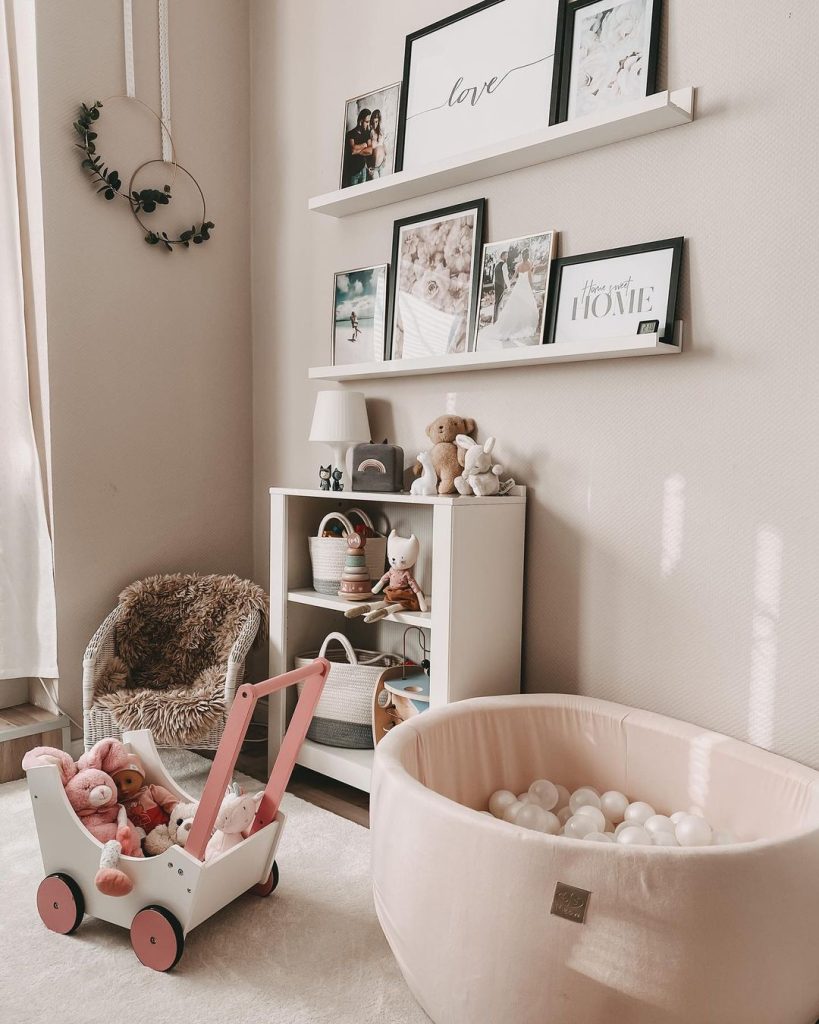
The importance of multi-functional furniture becomes especially pronounced in urban environments, where living space is often at a premium. A well-chosen piece can transform the dynamics of a room while maintaining its understated beauty and subtlety. When shopping for furniture, keep an eye out for:
- Ottomans with hidden storage: They offer additional seating options while housing miscellaneous items discreetly.
- Murphy beds that fold away: Ideal for studio apartments, providing the semblance of a separate bedroom.
- Expandable dining tables: These cater to both intimate meals and larger gatherings, maximizing space efficiency.
- Shelving units that can also serve as room dividers: These help segment open spaces without compromising on openness.
By choosing multi-functional options, you can maintain a spacious environment without sacrificing comfort or utility. This choice resonates with the minimalist principle of doing more with less, ensuring that every item earns its keep.
4. Designate Specific Zones
Creating designated zones is essential in a minimalist space, especially when seeking functional organization. Each zone should be tailored to a specific activity—be it working, relaxing, or socializing. This strategy promotes a more streamlined and organized environment, preventing clutter from accumulating by allocating spaces deliberately for specific uses, therefore improving daily task efficiency.
Incorporating zones into a room helps with psychological segmentation, allowing individuals to transition between activities without feeling overwhelmed. Consider the following strategies:
- A home office area within your living area: Utilize compact desks that can close up, blurring work-life boundaries in a calming manner.
- A reading nook with a comfortable chair and shelves: Create a personal sanctuary that invites relaxation and introspection.
- A dining space separate from the kitchen: Encourage mindful eating by distinguishing the spaces where food is prepared and consumed.
Using furniture placement, rugs, and decor, you can clarify these zones while ensuring that everything flows together harmoniously. The result is a holistic living space that caters to various needs without feeling chaotic.
3. Prioritize Minimalist Décor
To enhance your minimalist lifestyle, it is crucial to prioritize minimalist décor. A clean and uncluttered aesthetic not only promotes relaxation but also reinforces the functional purpose of each space. This approach often involves adopting a “less is more” philosophy with regard to decoration, emphasizing quality and significance over quantity.
By reducing visual noise in your environment, you allow each piece to resonate deeply and purposefully. When selecting wall art or decorative items, choose a few statement pieces rather than cluttering your walls with multiple objects. Assess your décor choices based on the following criteria:
- Functionality: Does it serve a purpose beyond visual appeal? For example, a clock that doubles as an art installation.
- Sentimental Value: Does it evoke positive memories or feelings? Items with stories contribute warmth to an otherwise stark environment.
- Visual Cohesion: Does it complement your existing color palette and design? Harmony in design enhances the minimalist ethos of simplicity.
With fewer décor items, you will foster a more serene atmosphere while keeping the focus on what truly matters in your living spaces. Minimalist décor, when done right, creates a canvas that highlights the peacefulness embedded in simplicity.
2. Declutter Regularly
A fundamental aspect of maintaining a minimalist lifestyle is the art of regular decluttering. Set aside time each month to assess your belongings and evaluate what you truly need. This practice not only keeps your spaces tidy but also minimizes distractions caused by excessive possessions. Regular decluttering sessions serve as a reset for your living space, ensuring it remains both functional and enjoyable.
Emotional attachment to objects can make decluttering a daunting task, yet the benefits of clear spaces on mental well-being are profound. Decluttering allows you to relinquish past burdens and focus on the present. Follow these decluttering strategies:
- Apply the “one in, one out” rule: For every new item, remove an old one to maintain balance in your storage space.
- Use the 30-day rule: If you haven’t used it in the past month, consider removing it, as it’s likely contributing to unnecessary clutter.
- Donate or sell items: Free your space and spirit by parting with items that no longer serve you or spark joy, thus encouraging a cycle of renewal rather than accumulation.
By committing to a regular decluttering routine, you can maintain control over your space, ensuring that it remains functional and serves your lifestyle needs. Such a proactive approach also instills a sense of empowerment and control over physical surroundings, contributing significantly to mental tranquility.
1. Optimize Storage Solutions
Finally, at the top of our list is the importance of optimizing storage solutions. Smart storage is the backbone of a functional minimalist space. Efficient storage reduces visible clutter, allowing your environment to breathe and stay organized. Effective storage solutions are paramount in creating the illusion of space, often making small areas appear larger than they are.
Innovation in storage solutions has provided numerous options for maximizing spaces — from smart closets to convertible shelving — all aiming to enhance utility without sacrificing simplicity. Utilize vertical space, under-bed storage, and hidden compartments to maximize every square inch of your home, streamlining the accessibility and arrangement of your belongings.
Consider the following storage hacks:
- Install floating shelves: Keep floors clear while maintaining accessibility, adding an artful, airy touch to storage.
- Utilize baskets: Group small items together to reduce chaos while adding texture and warmth to minimalist interiors.
- Invest in modular furniture: Allows you to customize your storage needs, adapting to changes in lifestyle or purpose.
Integrating smart storage into your home ensures that clutter is kept at bay while simplifying retrieval and use of everyday items. It epitomizes the minimalist mantra of “everything in its place, and a place for everything,” fostering a living space that promotes peace and order daily.
Incorporating these top organization tips not only supports a minimalist lifestyle but enhances it by crafting environments that honor both form and function. As you embrace these principles, you’ll find your spaces becoming sanctuaries of simplicity and productivity — a testament to the power of living with less.
| Category | Details |
|---|---|
| Space Optimization | Maximize your living area by eliminating clutter and employing clever storage solutions. Vertical spaces, such as wall-mounted shelves and hooks, can be utilized effectively. |
| Mental Clarity | A minimalistic environment contributes to enhanced focus and reduced stress. |
| Sustainable Living | Minimalism leads to more thoughtful purchases, promoting less waste and eco-friendly practices. |
| Enhanced Aesthetics | A clean, uncluttered space is visually appealing and can serve as a canvas for personal expression. |
In exploring the concept of creating functional spaces, it’s vital to understand how space optimization can transform your living environment. The minimalist approach encourages utilizing every inch of your home effectively. This entails not just discarding unnecessary items but doing so with a systematic plan. For instance, consider multifunctional furniture that saves space while fulfilling several needs. A bed with under-storage or a coffee table that can expand into a dining area is a perfect illustration of how innovative furniture selections contribute to an efficient layout.Moreover, embracing minimalism promotes mental clarity. Fewer distractions in your immediate surroundings can significantly enhance your focus. Numerous studies have shown that clutter can lead to feelings of overwhelm and chaos, impacting mental well-being. By creating streamlined spaces that are both calming and functional, individuals may find themselves more productive and less stressed.Additionally, this lifestyle choice ties into the idea of sustainable living. Minimalism encourages individuals to be more conscious about their consumption habits, ultimately leading to a reduction in waste. This not only helps in maintaining a cleaner environment but also fosters a sense of responsibility towards the planet. By prioritizing quality over quantity, minimalists often make purchases that are both durable and environmentally friendly, reducing their carbon footprint.Finally, an uncluttered space enhances aesthetics, turning your home into a serene and inviting sanctuary. With a focus on fewer elements, you open up opportunities for personal expression through intentional decor choices. The beauty of minimalism lies in its ability to let significant pieces shine. Each decor item can hold meaning, adding character and warmth without the distractions of excessive decor. This creates a harmonious balance that resonates with the principles of organization and functionality, making your spaces not just livable, but truly enjoyable.
Frequently Asked Questions About Creating Functional Spaces for a Minimalist Lifestyle
What is the main goal of creating functional spaces in a minimalist lifestyle?
The primary goal of creating functional spaces in a minimalist lifestyle is to enhance living areas by ensuring they serve specific, practical purposes. By focusing on functionality, one can eliminate unnecessary clutter, allowing for a more streamlined environment. This approach not only makes spaces more organized but also reduces stress and increases productivity. Simplicity and efficiency are key components in achieving this goal.
How can I start decluttering my home effectively?
To begin decluttering effectively, start with one room or space at a time to avoid feeling overwhelmed. Create categories for items to keep, donate, or discard. It’s essential to be honest about what you use regularly and what simply takes up space. A popular method is the KonMari Method, which involves keeping only those items that “spark joy.” Consistency is crucial, so schedule regular intervals to declutter different areas of your home.
Are there any must-have tools or strategies for organizing a minimalist space?
Yes, there are several tools and strategies that can assist in organizing a minimalist space. Investing in multi-functional furniture, such as ottomans with hidden storage, can save space while offering utility. Incorporate smart storage solutions like floating shelves, hooks, or modular systems. The use of labels and clear containers aids in maintaining organization and ensures that every item has a designated place. The goal is to prioritize function over form without sacrificing style.
What are some common mistakes to avoid when pursuing a minimalist lifestyle?
One common mistake is purging items too quickly without considering their utility or sentimental value. It’s important to avoid decluttering just for the sake of minimizing. Another mistake is not setting clear goals; having a clear vision of how you want your space to function helps guide decisions. Additionally, ignoring personal style is a pitfall; minimalism doesn’t mean abandoning aesthetics—it should reflect your taste while maintaining simplicity. Lastly, remember that minimalism is a personal journey and looks different for everyone.
How can a minimalist lifestyle impact my well-being?
Adopting a minimalist lifestyle can significantly impact your well-being by reducing stress and promoting mental clarity. With less clutter, there’s often a greater sense of calm, allowing for more focused thinking and creativity. The process of simplifying living spaces can also lead to improved daily routines and more quality time for activities that truly matter. By removing distractions, a person can foster a greater appreciation for the present moment and the things that truly bring joy and fulfillment.
Conclusion
In an era characterized by constant stimuli and overwhelming material abundance, the quest to create functional spaces through minimalism has emerged as a much-needed antidote. Throughout this article, we’ve discussed the art of decluttering, the strategic arrangement of essential items, and the pivotal role of purposeful organization. These steps are not merely about reducing possessions but about enhancing life’s quality by fostering an environment that aligns with one’s values.
Main Takeaways
- Declutter Regularly: Regularly addressing clutter is central to maintaining a minimalist lifestyle. This not only frees physical space but also liberates mental bandwidth, cultivating tranquility and clarity.
- Prioritize Purpose: Each item in your home should serve a functional or sentimental purpose, allowing your space to support your daily life efficiently.
- Mindful Organization: Arranging items thoughtfully promotes ease of use and accessibility, contributing to overall well-being and reducing daily stress.
- Neutral Colors and Simple Designs: Embracing simplicity in aesthetics fosters an atmosphere of calm and invites natural light, further enhancing space functionality.
- Adaptability: A key principle of minimalism is creating a flexible space that can evolve with changing needs, enabling life-long organization strategies.
The importance of minimalism and personal organization goes beyond aesthetics; it is a lifestyle choice that champions intentionality, reduces stress, and encourages a more focused and fulfilling life. As we align our surroundings with our purpose, we not only make peace with our possessions but also pave the way for a lifestyle that emphasizes experiences over material accumulation. As you embark on your minimalist journey, remember that the essence of this philosophy lies in creating spaces that truly serve and uplift you, sparking joy and ensuring functionality every step of the way. This constant evolution of our living spaces could very well lead us to discover newfound dimensions of personal growth and contentment.