Maximize Small Spaces Personal Organization Minimalist Style
Embracing Minimalism in Small Spaces
In a world that constantly encourages excess, minimalism stands out as a refreshing approach to personal organization. For those living in small spaces, it is especially relevant, as it emphasizes the importance of simplicity while enhancing functionality. The ability to create an organized and stylish environment is a challenge many face, yet it’s one that rewards creativity and thoughtful design.
Maximizing small spaces without sacrificing aesthetics requires a strategic mindset. Here are some key advantages of adopting minimalist techniques for small space organization:
- Clutter Reduction: A minimalist approach helps in eliminating unnecessary items, creating a more serene environment.
- Enhanced Functionality: Thoughtful organization leads to effective use of every inch.
- Visual Appeal: Minimalist design prioritizes style, making even the smallest spaces feel inviting.
This article will delve into the Top 5 strategies that can help transform your small living areas into organized, functional, and stylish spaces. By exploring these techniques, you’ll find innovative ways to live more deliberately and beautifully.
Top 5 Strategies for Personal Organization to Maximize Small Spaces Without Losing Minimalist Style
Living in small spaces is increasingly common, especially in urban environments where square footage comes at a high premium. For many, maintaining a clean and minimalist aesthetic within these confined quarters presents a significant challenge. Yet, with the right strategies, it is entirely possible not only to optimize your available space but also to infuse it with style and order, creating an inviting atmosphere that belies its size. This article delves into five effective methods that seamlessly blend functionality with minimalist principles, ensuring that your small space feels both expansive and inviting. Let’s explore these strategies in detail!
5. Utilize Vertical Storage Solutions
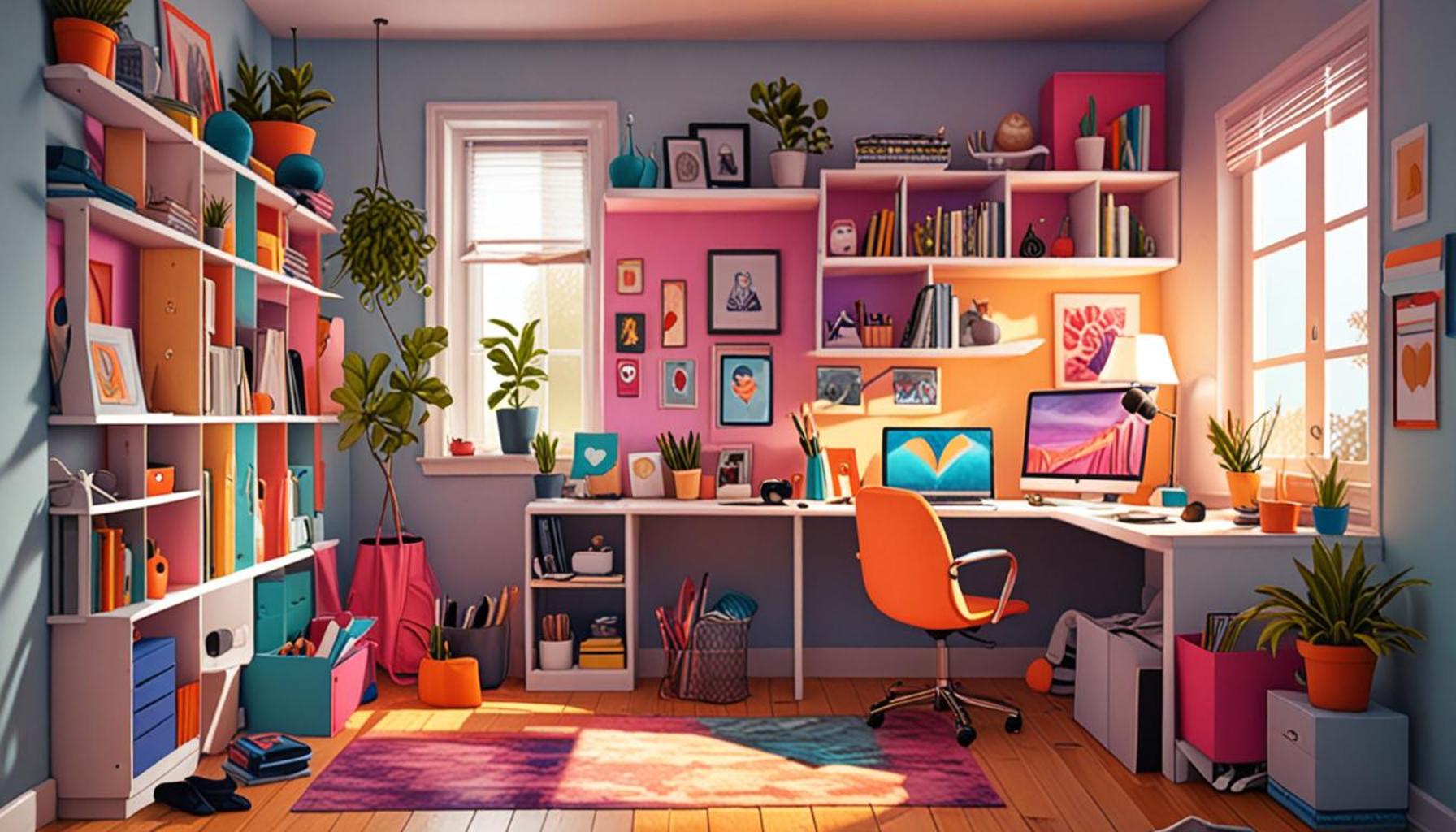
When space is limited in width, looking upwards can open up a new dimension for storage and decor. Vertical storage solutions effectively capitalize on the typically underused height of a room. This method enhances the perception of space and provides ample storage without compromising on style.
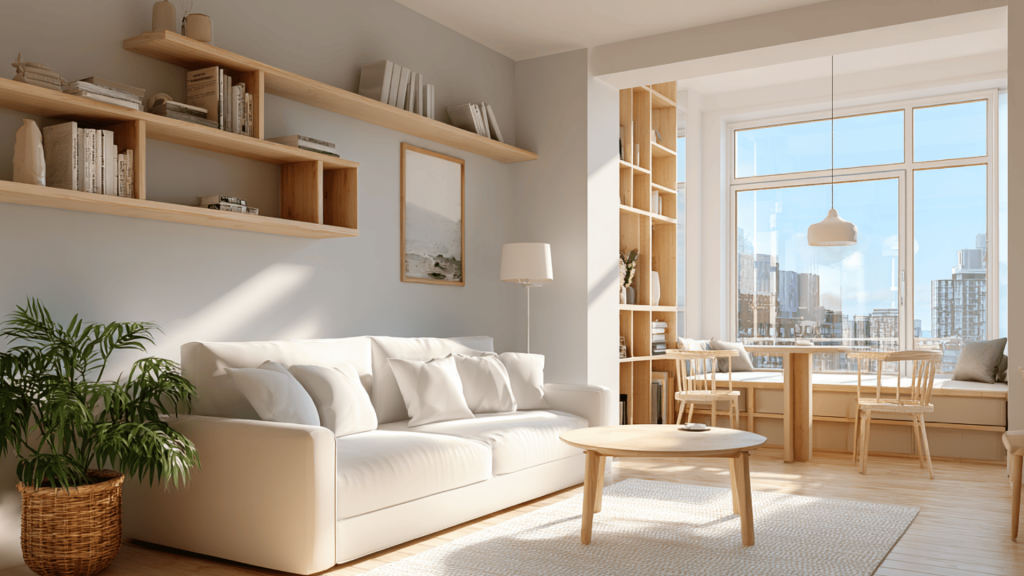
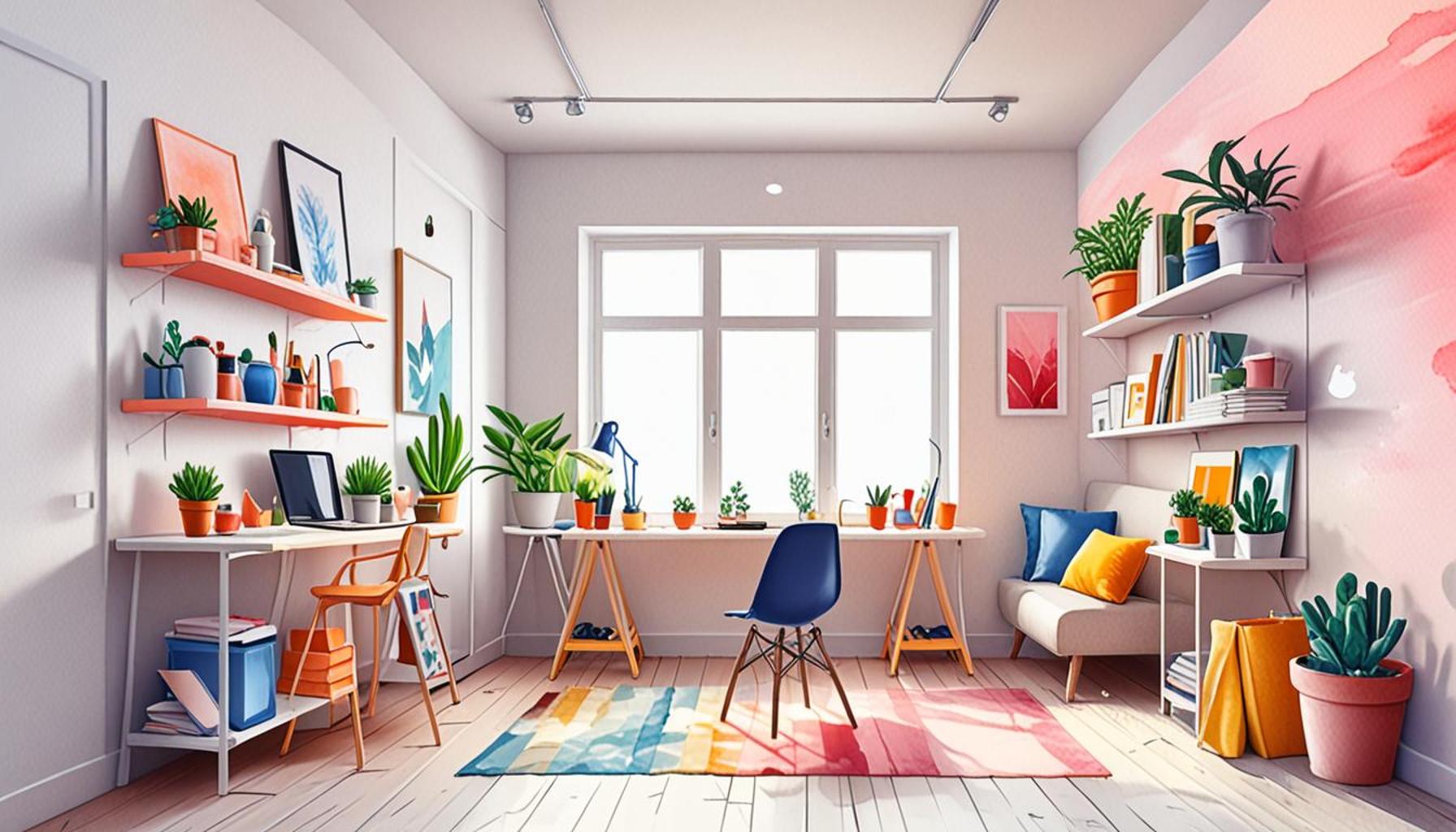
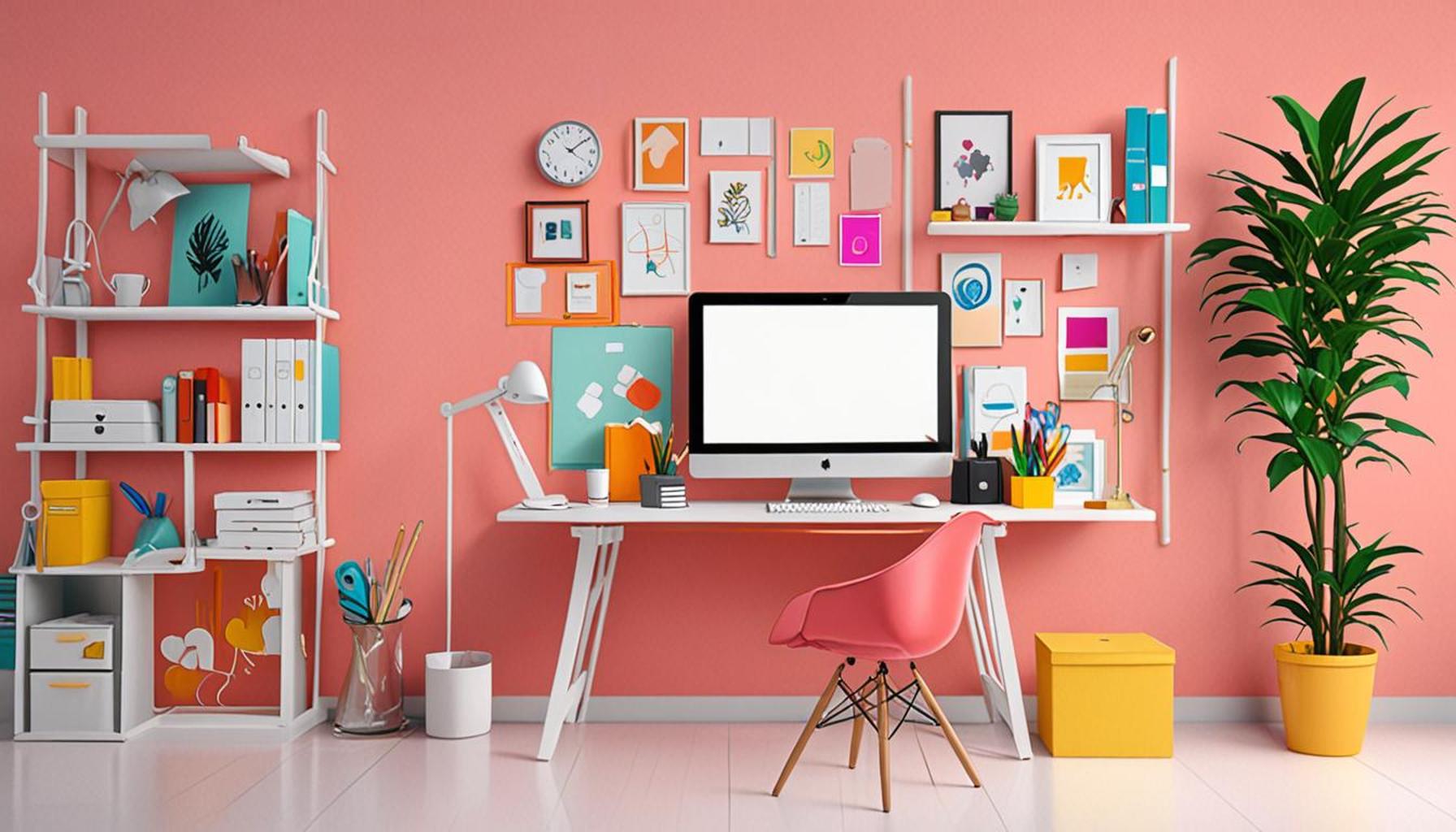
First, consider the potential of wall-mounted shelves. These shelves can display books, plants, or decorative items, drawing the eye upwards and creating an illusion of higher ceilings. Tall bookshelves double as room dividers, providing both functionality and a subtle partition.
Additionally, over-the-door organizers can provide concealed storage for shoes, accessories, or cleaning supplies, transforming previously neglected areas into practical storage spaces. For those with hobbies or crafts, hanging storage solutions like pegboards efficiently organize tools and supplies.
By leveraging vertical space, small environments can appear more spacious while remaining neatly organized, preserving the minimalist atmosphere.
4. Optimize Under-Furniture Areas
In the quest for hidden storage, the space beneath furniture often goes unnoticed. This area is a valuable asset for those practicing minimalist living in small environments. By maximizing under-furniture spaces, you can keep your living area clutter-free and visually appealing.
Beds with built-in drawers or those elevated on risers provide perfect storage for seasonal clothing, extra linens, or seldom-used items. Elevating your bed not only opens up storage possibilities but also enhances airflow in the room.
Consider using ottomans with hidden compartments to store books, magazines, or blankets while serving as extra seating or a footrest. These multi-purpose solutions align perfectly with minimalist values by offering function without excess.
Implementing such strategies contributes to a clean and serene living space that supports a minimalist lifestyle, even in compact areas.
3. Invest in Multi-Functional Furniture
In small spaces, every piece of furniture should earn its keep by performing multiple roles. Multi-functional furniture pieces are essential as they combine several uses into one item, thus saving precious room and maintaining style.
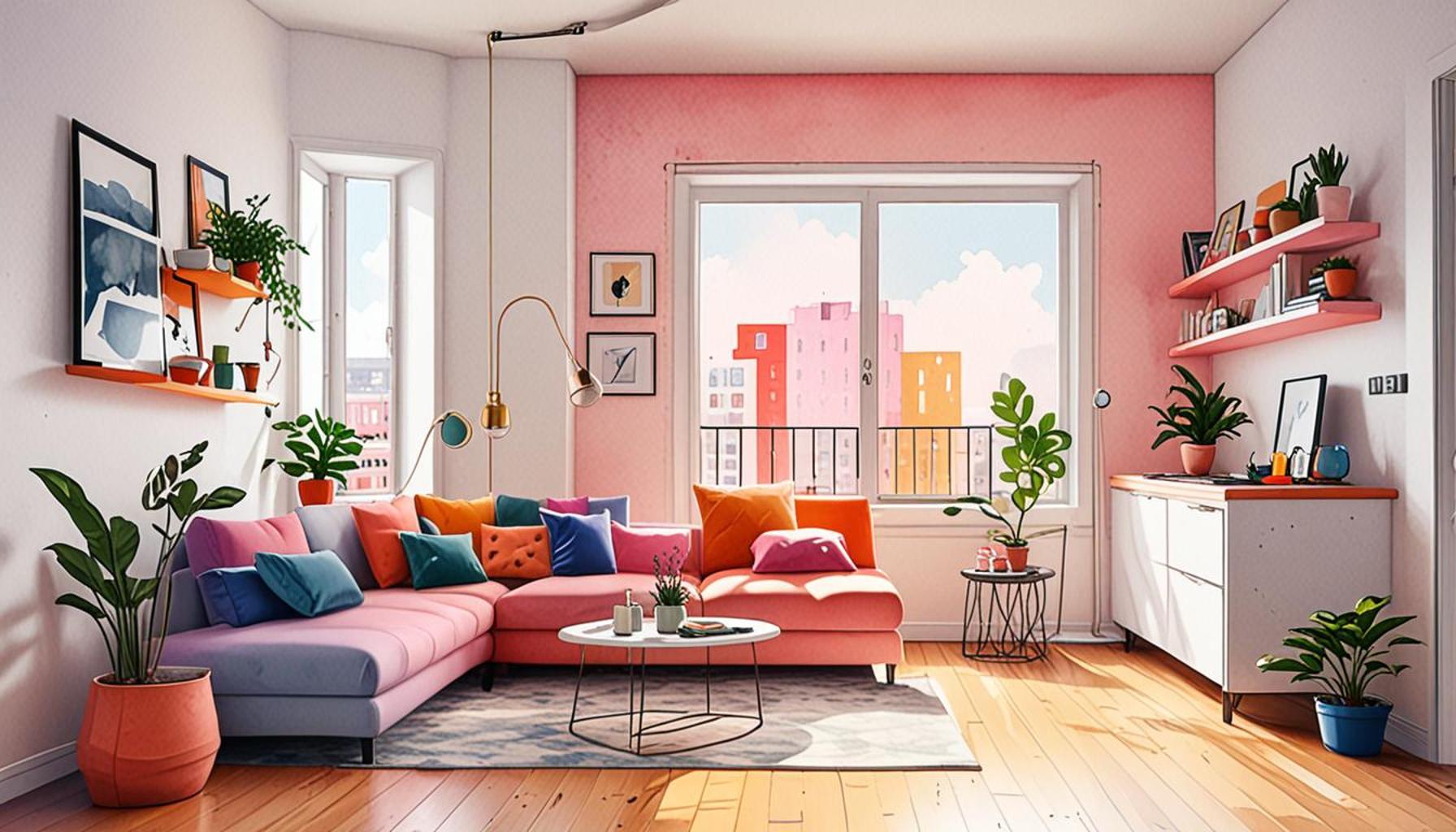
Think about a sofa that converts into a bed. Not only does this provide seating during the day, but it also transitions easily into a comfortable sleep space for guests without the need for a separate bedroom.
Coffee tables with hidden storage can store remote controls, magazines, or even light blankets, all while maintaining a clean surface for entertaining or everyday use.
Desks that double as dining tables provide a functional space to work and dine, especially in rooms that serve multiple purposes. Each piece fits seamlessly into a minimalist design by offering practical utility while maintaining clean lines and simplicity.
2. Curate Your Belongings
Minimalism involves more than mere physical organization; it extends to being intentional with the items you choose to keep. Regular assessment and curation of your belongings help in effectively managing clutter.
Start by sorting your items into three categories: keep, donate, or discard. This practice encourages you to evaluate each item’s necessity and emotional value. Ensuring only essential and meaningful items remain aligns with minimalist tenets.
Implement a “one in, one out” policy for new acquisitions to prevent unnecessary accumulation, ensuring your environment stays streamlined and efficient. This intentional approach doesn’t just sustain a minimalist aesthetic but also maintains the space’s functionality.
1. Embrace a Minimalist Mindset
The cornerstone of maximizing small spaces while retaining a minimalist style is embracing a minimalist mindset. This philosophy champions simplicity, valuing quality over quantity.
Appreciate experience over possessions, and commit to living with less. Understanding and embracing what minimalism means to you personally can tailor your environment to better suit your lifestyle.
The principles of appreciating what you have and aiming to simplify not just your physical space but also mentally encouraging a serene and clutter-free internal environment. Recognizing the relationship between your surroundings and your inner peace empowers you to create a beautifully minimalist space, regardless of size.
By embracing these top five strategies, you can foster a harmonious blend of functionality and style within your compact living areas. Celebrate simplicity, practice intentional organization, and find reassurance in knowing that your small space can be both inviting and minimalistic!
The second part of our exploration into “Personal Organization Strategies to Maximize Small Spaces Without Losing Minimalist Style” delves deeper into practical approaches that can greatly enhance the functionality and aesthetic appeal of compact living areas. By implementing the right strategies, you can enjoy a serene and uncluttered environment that reflects your personal style while making the most out of every inch.One effective strategy involves utilizing vertical space. Although floor area might be limited, walls can be transformed into valuable storage zones. Consider installing floating shelves or wall-mounted organizers that showcase decorative elements, books, or essential items without encroaching on walking space. This not only frees up floors but also creates visual interest, keeping the environment dynamic and engaging. Furthermore, shelves in varying heights can enhance the perception of room size, drawing the eye upward and creating an illusion of greater height.Another essential tactic is the incorporation of multifunctional furniture. Select pieces that serve multiple purposes, such as a coffee table that doubles as storage or an ottoman that can be used for seating as well as stashing away blankets or magazines. This approach minimizes the need for additional furnishings and helps maintain a neat and tidy atmosphere. For instance, a sofa bed can convert a living space into a guest room without requiring unnecessary bulk. By investing in such versatile items, you align functional utility with minimalist chic.In addition, color palettes play a crucial role in achieving a minimalist aesthetic while maximizing space. Light, neutral colors can make small areas feel airy and open, as they reflect light and create a sense of spaciousness. Accent colors can be introduced sparingly through decor items, such as cushions, artwork, or plants, adding personality to the space without overwhelming it. The strategic use of mirrors can also amplify natural light, offering a bright ambiance while visually expanding the area. Lastly, embracing the principle of decluttering can transform your living space dramatically. Regularly assess your belongings and adopt a one-in, one-out rule to prevent accumulation of unnecessary items. This practice not only keeps your environment organized but also encourages intentional purchasing, fostering a mindset that prioritizes quality over quantity. By valuing and curating your possessions, you will feel greater satisfaction in a well-maintained, stylishly minimalist space.As you continue to experiment with these strategies, remember that personal organization is a journey. It’s about finding the balance that suits your lifestyle while honoring the principles of minimalism. Engaging in this process will lead to an enriching living experience that is both functional and uniquely you.
Frequently Asked Questions about Maximizing Small Spaces with Minimalist Style
How can I maintain a minimalist style while making the most of a small space?
Achieving a minimalist style in a small space requires careful consideration of each item’s function and aesthetic. Start by selecting furniture that serves multiple purposes, like a sofa bed or a coffee table with storage. Use vertical space effectively with wall-mounted shelves and hooks. Choose a color palette that is neutral and soothing to create an open, airy atmosphere. Remember, the key is to keep clutter to a minimum by ensuring each belonging has a designated place.
What are some clever storage solutions for small spaces?
Small spaces demand smart storage solutions to avoid clutter. Consider using furniture that doubles as storage, such as benches with hidden compartments or beds with built-in drawers. Utilize hard-to-reach areas by installing shelves above doorways or under stairs. Don’t forget about invisible storage: using transparent storage boxes can help you see contents easily without creating visual noise. Additionally, regularly evaluate your belongings to keep only what’s necessary.
Which minimalist design principles are essential for small homes?
At the core of minimalist design for small spaces are simplicity and functionality. Aim for clean lines and simple forms in furniture. Prioritize quality over quantity when it comes to decor items. Allow natural light to penetrate freely to enhance the openness; use mirrors strategically to reflect light and create an illusion of more space. Less is more, so choose pieces that have understated elegance and restrain from overcrowding the space with decorative items.
How can one personalize a minimalistic small space without overcrowding it?
Personalizing a minimalist space without overcrowding involves selective and meaningful choices. Focus on personal artifacts that hold significant value to you, like a cherished piece of artwork or a unique sculpture. Incorporate textures that invite comfort, such as a plush rug or soft throw, to add depth without clutter. Customizing storage options to fit your lifestyle allows personalization while maintaining the minimalist aesthetic.
Conclusion
In a world where urban living often necessitates small spaces, the blend of personal organization and minimalism offers a perfect solution for maximizing these areas without compromising on style. Throughout this exploration of strategies, we’ve highlighted the importance of decluttering, emphasizing that letting go of unnecessary items is the first step toward a more spacious environment. This foundation allows for the effective use of multifunctional furniture, which not only saves space but also enhances aesthetic simplicity.
A key takeaway is that vertical storage solutions are game-changers in small spaces. They draw the eye upward, creating an illusion of roominess while maintaining a sleek, minimalist look. Equally important is the strategic use of neutral color palettes. By opting for light and neutral tones, spaces feel larger and more inviting, a crucial factor for those wishing to preserve the minimalist ethos without making a space feel stark or impersonal.
Lastly, the role of smart technology cannot be underestimated. By integrating smart solutions, one can efficiently manage space without a visible increase in electronics or gadgets, maintaining a clean and unobtrusive environment. As we conclude, it is evident that the delicate balance of personal organization and minimalism not only maximizes physical space but also contributes to a more serene and ordered overall lifestyle.
Ultimately, embracing these approaches offers not just practical advantages, but also aligns with the minimalist philosophy of ‘less is more’, encouraging us to reconsider our possessions and prioritize what truly matters. For those intrigued by these concepts, further investigation into minimalism and innovative organizational strategies promises a continuous discovery of efficient living and simple elegance.