The importance of essentialism in reducing mental overload and increasing productivity

Understanding the Principles of Essentialism
In a world filled with constant distractions and overwhelming responsibilities, many individuals find themselves grappling with mental overload. The concept of essentialism offers a beacon of clarity amidst the chaos, focusing on what truly matters. By honing in on the essentials, people can significantly enhance their productivity and overall well-being. But what precisely does this mean for our daily lives and decision-making processes?
What is Essentialism?
Essentialism is defined as the disciplined pursuit of less but better. It’s about channeling energy into:
- Prioritization: This involves identifying top tasks that align with your goals. For instance, a project manager may prioritize tasks that push the team’s key objectives forward, rather than getting bogged down with minor administrative duties.
- Elimination: Saying no to non-essential engagements is crucial. This could mean declining meetings that do not serve your immediate objectives or stepping back from social commitments that leave you drained rather than energized.
- Focus: Concentrating on what yields the most significant results. For example, a student may choose to dedicate studying time towards final exams rather than participating in every club activity, thus ensuring their academic success.
With these foundational principles, essentialism not only reduces mental clutter but also paves the way for a more fulfilling life. Interestingly, findings suggest that individuals practicing essentialism experience:
- Increased clarity: Practicing essentialism provides a clearer vision of one’s objectives, allowing for more effective decision-making and reduced anxiety about competing demands.
- Enhanced performance: By focusing on fewer tasks, individuals tend to complete them with greater efficiency and a higher level of quality, ultimately leading to more robust results.
- Improved mental health: With lower stress levels and a better work-life balance, individuals often report feelings of contentment and purpose, leading to greater overall satisfaction in life.
As you explore the importance of essentialism, it’s vital to consider how adopting this mindset can transform both your personal and professional environments. Imagine decluttering your weekday schedule to allow for more meaningful interactions with family or dedicating time to the hobbies that ignite your passion. The journey towards embracing essentialism promises to unveil a pathway to deeper satisfaction and remarkable productivity.
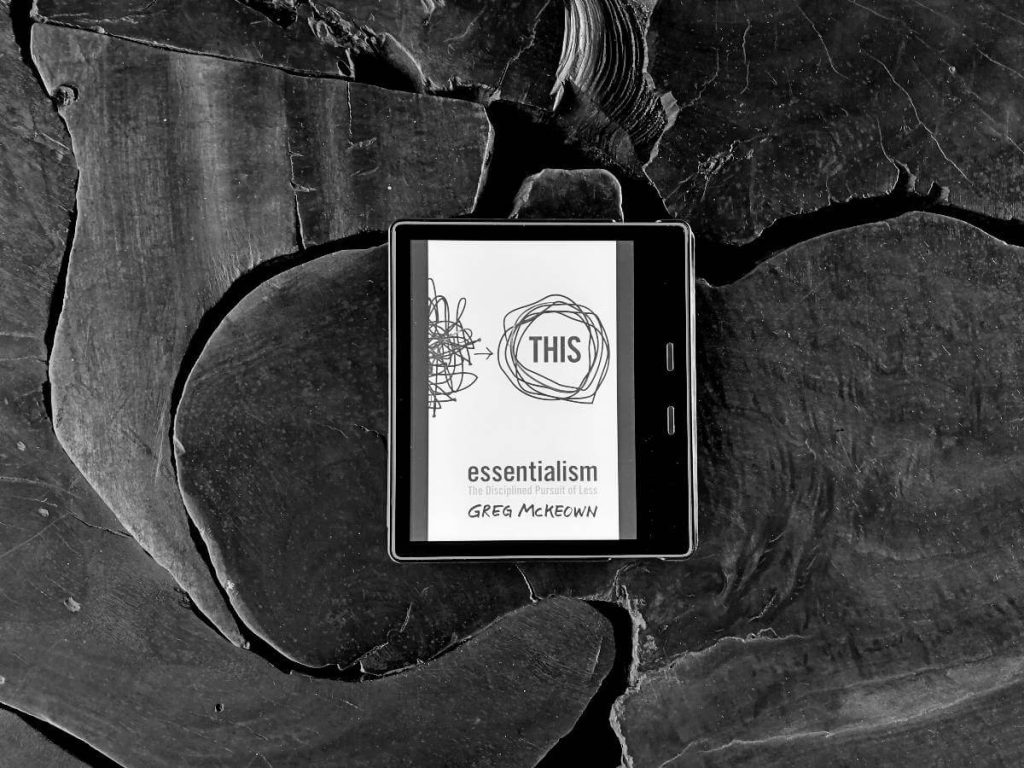
For those intrigued by this philosophy, numerous books, such as Greg McKeown’s bestselling work titled “Essentialism: The Disciplined Pursuit of Less,” provide a comprehensive guide to implementing these principles. They not only highlight the necessity of prioritization and elimination but also include practical exercises to enhance your focus. As the rhythm of modern life continues to accelerate, essentialism shines a light on the importance of striving for intentional living by advocating for a more mindful approach to everyday decisions.
DON’T MISS: Click here to discover tips for maximizing small spaces
The Power of Prioritization in Essentialism
The journey towards adopting essentialism begins with the vital practice of prioritization. This is the process of discerning which tasks hold the utmost value in our lives. With a plethora of commitments vying for our attention—from work deadlines to family events—understanding what truly matters becomes essential in tackling mental overload. By carefully assessing the importance of each task, individuals can redirect their focus to what aligns best with their long-term goals.
Research conducted by the American Psychological Association highlights that prioritization not only enhances productivity but also contributes to overall mental health. When people concentrate on high-impact tasks, they experience heightened engagement and less burnout. For instance, a marketing professional might prioritize crucial campaigns that directly influence sales over minor updates that do not significantly contribute to their objectives. This approach not only streamlines their workload but also instills a sense of accomplishment that is essential for sustained motivation.
Understanding the Art of Elimination
Once prioritization is established, the next step in practicing essentialism is elimination. This entails the ability to recognize and remove tasks or commitments that do not serve a meaningful purpose in one’s life. In a culture that often glorifies busyness, learning to say no is critical. According to a study by the Harvard Business Review, professionals who actively eliminate non-essential tasks report a dramatic reduction in stress levels, allowing for more space to focus on what truly matters.
- Vetting Meetings: Many individuals find their schedules cluttered with meetings that could have been addressed with a brief email. Taking a stand to decline certain invitations can increase time availability for priority projects.
- Assessing Social Obligations: While social interactions are essential for maintaining relationships, it is vital to evaluate which engagements bring joy and fulfillment versus those that lead to exhaustion. Choosing quality over quantity can revitalize one’s mental state.
- Streamlining Tasks: Creating a list of daily tasks allows individuals to visualize their workload. By identifying tasks that can be postponed or delegated, one can effectively reduce mental clutter.
By embracing the art of elimination, individuals not only clear mental space but also open themselves up to less chaotic and more productive lives. The power of asking oneself, “Is this truly necessary?” can be transformative, leading to a more deliberate way of living that ultimately enhances both focus and effectiveness.
The benefits of essentialism extend beyond mere productivity enhancements. By focusing on essential tasks and eliminating the superfluous, individuals can cultivate a sense of clarity, allowing for more meaningful engagement with their work and personal lives. This deliberate approach marks the beginning of a more thoughtful existence—one intrinsically tied to the principles of essentialism.
The Importance of Essentialism in Enhancing Focus
Essentialism emphasizes the discipline of focusing on what truly matters, expertly filtering out unnecessary distractions that clutter our minds. This philosophy can significantly reduce mental overload, allowing individuals to concentrate on their core responsibilities. As our lives become increasingly busy, the ability to prioritize essential tasks is crucial for maintaining productivity. By embracing essentialism, individuals can streamline their activities, thus fostering a more profound sense of accomplishment each day.
Recognizing Your True Priorities
In practice, identifying priorities begins with self-reflection. Taking the time to analyze what truly brings value and joy can help clarify essential goals. One practical approach is the “80/20 Rule,” also known as the Pareto Principle, which suggests that 80% of our results come from just 20% of our efforts. By applying this principle, individuals can target the small number of tasks that yield the greatest results, leading to increased efficiency. It’s an impressive strategy that not only enhances productivity but also combats feelings of overwhelm.
The Role of Minimalism in Mental Clarity
Essentialism closely intersects with minimalism, a practice that advocates for the removal of excess physical and mental clutter. This synergy between the two principles cultivates an environment conducive to clear thinking and focused action. A decluttered workspace has been shown to promote better cognitive function and creativity, allowing for a more productive mindset.To illustrate this, consider the impact of maintaining a tidy office setting. Research indicates that individuals in organized spaces experience less stress and can concentrate better than those surrounded by chaos. By minimizing distractions—both physical and mental—essentialism empowers individuals to reclaim their attention and drive, paving the way for greater achievements.
| Advantage | Description |
|---|---|
| Increased Focus | Eliminating distractions allows for deeper concentration on essential tasks. |
| Enhanced Productivity | Focusing on impactful activities leads to significant achievements and less stress. |
Through these practices, essentialism encourages individuals to harness their full mental capacities, steering clear of the burnout often experienced in today’s fast-paced world.
DIVE DEEPER: Click here to discover more
Embracing Mindfulness in Essentialism
A fundamental aspect of essentialism is its intrinsic connection to practicing mindfulness. Mindfulness is about being present in the moment and engaging fully with our experiences, which plays a crucial role in reducing mental clutter. By incorporating mindfulness into daily routines, individuals can enhance their ability to manage stress and make more intentional choices regarding their time and energy.
Research from the University of Massachusetts indicates that engaging in mindfulness practices can lead to enhanced cognitive flexibility and improved focus. For instance, individuals who meditated regularly showed a 10% increase in concentration levels compared to those who did not practice mindfulness. This heightened awareness allows individuals to recognize when distractions arise, providing them with the opportunity to refocus on their essential tasks.
Implementing Mindfulness Techniques
In the quest to embody essentialism, adopting mindfulness techniques can pave the way for increased productivity and balance in life. Here are some effective strategies:
- Scheduled Breaks: Taking short, deliberate breaks throughout the workday can rejuvenate the mind. Techniques such as the Pomodoro Technique, where individuals work for 25 minutes followed by a 5-minute break, can help maintain focus and combat mental fatigue.
- Mindful Eating: During lunch or snack time, practicing mindfulness can transform meal breaks into moments of restoration. Focusing on the taste, texture, and aroma of food not only enhances enjoyment but also provides mental clarity for the tasks that lie ahead.
- Breath Awareness: Simple breath awareness exercises can ground individuals in the present. Taking a few moments to focus solely on breathing can reduce anxiety and help regain composure in stressful situations, leading to better decision-making.
These strategies help create mental space, where individuals can thoughtfully consider their essential priorities. When the mind is clear, and distractions are minimized, individuals can delve deeper into their work, resulting in enhanced performance.
Balancing Technology and Essentialism
In our technology-driven world, finding balance is critical. While technology can significantly boost productivity through various applications and tools, it can also contribute to mental overload. According to a study conducted by the Pew Research Center, 24% of Americans feel overwhelmed by the constant notifications from their devices. To integrate essentialism within our digital lives, we must harness technology mindfully.
- Digital Decluttering: Regularly assessing apps and social media platforms can help identify which technologies align with personal and professional goals. Eliminating unnecessary applications or limiting time spent on social media can free up mental space.
- Notification Management: Turning off non-essential notifications can minimize distractions and allow for deeper focus on priority tasks. Individuals may choose specific times to check emails or messages rather than responding in real-time.
- Intentional Screen Time: Setting clear boundaries for screen usage—especially before bed—can lead to improved sleep and overall productivity. Limiting distractions allows for dedicated time to reflect on essential tasks and goals.
By mastering the balance between technology and essentialism, individuals can retain the benefits of innovation while safeguarding their mental well-being. Clarity and focus in both work and personal spheres become attainable as one embraces essentialist principles.
DISCOVER MORE: Click here to simplify your thoughts
Conclusion: The Transformative Power of Essentialism
In an age marked by rapid technological advancement and constant demands on our attention, embracing essentialism emerges as both a necessity and a strategy for reclaiming mental clarity. By consciously prioritizing what truly matters, individuals can effectively combat the pervasive phenomenon of mental overload. Essentialism enables a focused approach that encourages one to filter out distractions, streamline tasks, and invest time in activities that yield the greatest impact.
The integration of mindfulness techniques enhances this pursuit, nurturing a greater awareness of one’s thoughts and actions. As research indicates, advocating practices like scheduled breaks, mindful eating, and breath awareness can transform the way we engage with our work and personal lives, ultimately leading to increased productivity. By fostering mental clarity, individuals are better equipped to tackle challenges and make decisions that align with their core values.
Moreover, the importance of balancing technology with essentialistic principles cannot be overstated. By practicing digital decluttering and managing notifications, one can restore tranquility amidst the chaos of constant connectivity. This harmonious relationship with technology safeguards mental well-being while capitalizing on the benefits of digital tools.
In conclusion, essentialism is not merely a lifestyle choice; it is a powerful framework for enhancing both mental health and productivity. By embracing this philosophy, individuals can discover the freedom that comes from prioritization, making space for meaningful pursuits that contribute to overall fulfillment. As we navigate the complexities of modern life, let us commit to practicing essentialism, fostering both personal growth and improved performance.