Simplified Living and the Connection with Nature: Incorporating Natural Elements into Daily Life

Understanding the Shift Towards Simplified Living
In an era where technology permeates every aspect of our lives, many individuals are yearning for a break from the incessant digital noise. The trend of simplified living is rapidly gaining traction, focusing on fostering a stronger connection with nature. By embracing natural elements and practices in our daily routines, we can significantly improve our mental and physical well-being, ultimately achieving a more balanced lifestyle.
So, what does this newfound affinity for nature mean for the everyday person? Let us explore some of the pivotal components that comprise this movement:
- Mindful Consumption: This approach encourages individuals to adopt minimalism, cultivating a mindset where quality is prioritized over quantity. For example, instead of accumulating a vast wardrobe, one might choose to invest in a few timeless, high-quality pieces that embody sustainable practices, supporting brands that prioritize ethical sourcing and production.
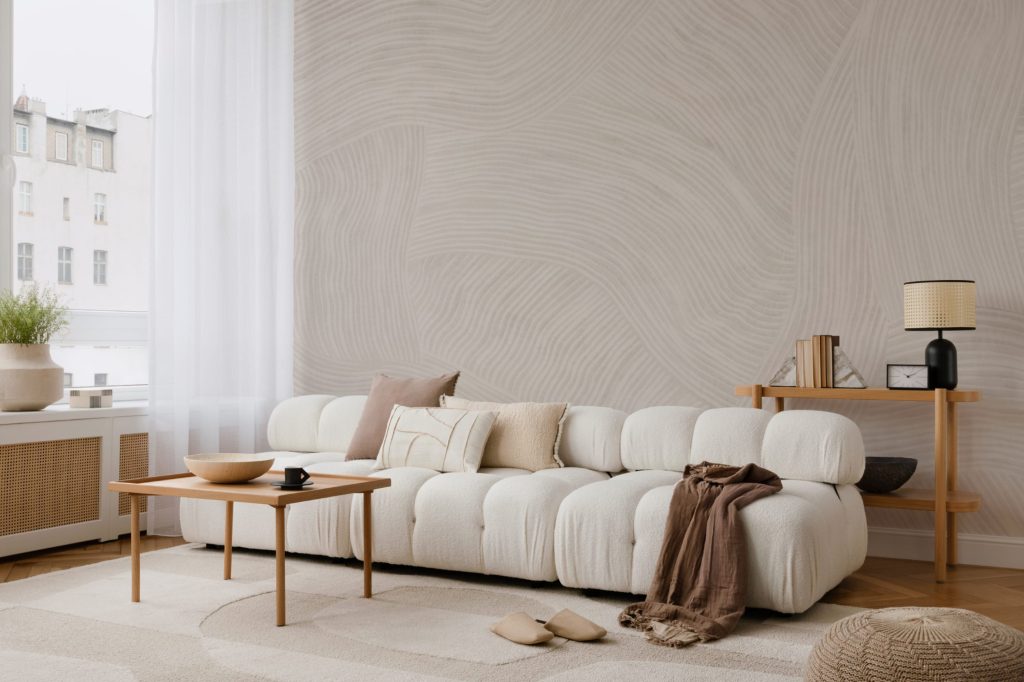
- Natural Decor: Incorporating elements such as indoor plants, reclaimed wood furniture, and textiles made from organic materials can create a serene and rejuvenating home environment. These choices not only beautify living spaces but also enhance air quality and promote a general sense of tranquility.
- Outdoor Activities: Simple activities such as hiking in national parks, community gardening, or even a leisurely stroll in a nearby green space can reawaken our natural instincts. These experiences provide an opportunity to disconnect from gadgets and reconnect with the earth, fostering a sense of peace and belonging.
Exploring these principles can lead to transformations that extend well beyond aesthetics. The integration of nature into our lives offers various benefits:
- Stress Reduction: Numerous studies indicate that time spent in natural surroundings can significantly decrease anxiety levels and boost mood. Even a brief walk through a park can have profound effects on mental health.
- Improved Productivity: Engaging with nature can unlock creativity and sharpen focus. A study conducted by the University of Michigan found that people who walked in nature performed better on creativity tests than those who walked in urban environments.
- Health Benefits: The advantages of fresh air and sunlight are well-documented. Regular outdoor activity is linked to reduced risks of heart disease, improved immune function, and overall increased wellbeing.
As we delve into the practice of simplified living, the connection with nature becomes not just an aspiration but a journey toward self-discovery. By redefining our relationship with the environment around us, we can cultivate a lifestyle that is not only eco-friendly but also enriching for the soul. This journey invites everyone to assess their lives and shift their focus towards a future where harmony with nature is at the forefront of our daily choices. Discover how these changes can significantly enhance both personal fulfillment and collective consciousness about our role in the ecosystem.
DISCOVER MORE: Click here to enhance your productivity
Embracing Natural Practices for a Refreshed Lifestyle
Integrating natural elements into our daily lives represents a fundamental shift towards a lifestyle that champions simplicity and sustainability. This embracing of nature manifests not just in our physical spaces but also in our routines, mindset, and interactions with the world around us. There are myriad ways to cultivate this bond with the natural environment, allowing individuals to experience profound benefits that contribute to holistic well-being.
One of the most powerful practices lies in the concept of mindful gardening. For many, tending to a garden becomes an intimate ritual that connects them with the cycles of nature. A mere handful of houseplants or a small herb garden on the windowsill can serve as a reminder of the beauty that arises from nurturing living things. According to a study conducted by the National Recreation and Park Association, spending time gardening helps to reduce stress and enhance mood. Participating in this meditative practice aligns individuals with the rhythms of nature while simultaneously providing fresh produce that contributes to a healthier diet.
Nature-Inspired Routines
Incorporating nature into everyday life also involves reimagining our routines. Simple acts like engaging in forest bathing, or the art of soaking in the atmosphere of a forest, invite individuals to unplug from modern distractions and immerse themselves in the serene beauty of their surroundings. Research suggests that spending time in nature can lower the levels of cortisol, the stress hormone, and improve overall mental clarity. Here are some effective ways to establish nature-inspired routines:
- Morning Walks: Start your day off right by taking a morning walk in a nearby park or natural setting. This practice can kickstart your metabolism and help you feel refreshed for the day ahead.
- Mindful Eating: Focus on seasonal and local foods, which not only taste better but also support local agriculture. Preparing meals with fresh ingredients can evoke a sense of connection to nature.
- Digital Detox Days: Designate certain days to disconnect from technology, thereby allowing more time for outdoor activities, crafting, or simply enjoying nature’s beauty.
Engaging these natural elements proves crucial for fostering a sense of balance in our fast-paced lives. Beyond personal betterment, a commitment to simplified living encourages broader environmental awareness. By aligning our practices with nature, we cultivate a heightened sense of responsibility towards our planet, thus contributing to a culture that respects and thrives within the natural world.
The many facets of incorporating natural elements into daily living ultimately lead to enriching experiences that promote both mental and physical health. Whether through simple outdoor activities, mindful consumption, or natural decor, each aspect serves as a stepping stone towards a more grounded and fulfilling existence. As we venture deeper into the journey of simplified living, we can discover the profound connections that bind us to the world around us, becoming not just inhabitants of nature but active participants in its preservation.
| Advantages | Key Aspects |
|---|---|
| Enhanced Well-Being | Natural elements foster tranquility and reduce stress. |
| Increased Productivity | Incorporating nature into daily life boosts creativity and focus. |
Incorporating natural elements into our everyday lives serves as a vital thread connecting us to the earth, creating a rhythm that aligns with the world around us. By embracing greenery, whether through indoor plants or outdoor gardens, individuals experience a richer tapestry of well-being, marked by improved mental health and a profound sense of peace. Scientific studies underline that individuals living in environments enhanced by nature report significantly lower stress levels—an essential consideration in today’s fast-paced society.Moreover, the integration of natural aesthetics into home and workspace not only delights the eye but also stimulates the mind. When people surround themselves with elements like wood, stone, and foliage, they often find enhanced clarity and creativity. This organic infusion results in increased productivity as the mind is unburdened, paving the way for innovative thoughts and effective problem-solving.As we delve deeper into how simplified living blends harmoniously with nature, the myriad benefits become increasingly apparent, beckoning us to explore further into this captivating connection. Embracing these elements invites not only personal enrichment but potential transformations in how we interact with our environment, encouraging a sustainable way of life.
DISCOVER MORE: Click here to learn how minimalism can rejuvenate your space
Creating Natural Spaces in Urban Environments
As urbanization continues to spread across the United States, the importance of incorporating natural elements into our living spaces has never been more critical. Many city dwellers find themselves surrounded by concrete and steel, often feeling disconnected from nature. However, there are numerous ways to bring the outdoors inside, transforming both personal spaces and community environments into sanctuaries of natural beauty. Biophilic design is gaining traction, emphasizing the human connection to nature within architectural and interior design. By integrating natural materials, colors, and patterns into our living environments, we foster a sense of calm and well-being.
One of the most accessible ways to enhance urban living is through the use of indoor plants. Research by NASA has shown that certain houseplants, like spider plants and peace lilies, can purify indoor air. Not only do they enhance air quality, but they also uplift moods and boost productivity. In fact, studies illustrate that the presence of greenery in office spaces can lead to a 15% increase in productivity. Furthermore, actively caring for plants offers a rewarding experience, grounding individuals in the present moment while cultivating mindfulness.
Community Efforts in Natural Integration
Beyond individual spaces, community initiatives play a significant role in reconnecting people with nature. Urban gardens and community green spaces provide vital access to natural elements for city residents. Community-supported agriculture (CSA) programs encourage individuals to buy directly from farmers, fostering a strong relationship between consumers and food producers. This model not only supports local economies but also enhances food security and reduces carbon footprints associated with transporting goods over long distances.
Moreover, local parks and playgrounds are essential urban green spaces that encourage physical activity and social interaction. Studies reveal that access to parks is associated with lower rates of obesity and chronic diseases among urban populations. Cities like Portland have made significant strides by implementing green roofs and walls, providing accessible nature even in the heart of the city. These initiatives not only combat urban heat but also serve as habitats for local wildlife, reinforcing the interconnectedness of ecosystems.
Seasonal Routines and Outdoor Living
As we consider incorporating nature into our lives, embracing seasonal routines stands out as a joyful practice. Engaging in seasonal activities like apple picking in the fall or sledding in the winter fosters a deep connection with nature’s cycles. Such experiences encourage appreciation for the present moment while providing opportunities for exploration and learning. For instance, participating in local farmers’ markets not only connects residents with seasonal produce but also cultivates a sense of community.
Outdoor living spaces, such as patios or balconies, can significantly enhance our relationship with nature, even in densely populated areas. Simple adjustments like adding outdoor furniture, incorporating natural materials, and using outdoor lighting can transform these spaces into idyllic retreats that invite relaxation and rejuvenation. Creating a small meditative corner with a water feature or a fire pit can provide a peaceful escape, reminding us of the soothing aspects of the natural world.
The integration of natural elements into daily life serves as an opportunity to re-evaluate our lifestyles in a way that prioritizes simplicity and sustainability. By actively creating and promoting a connection with nature, we not only enhance our own well-being but also contribute to the health of our communities and the planet as a whole.
DIVE DEEPER: Click here to learn how to master the art of saying no
Conclusion: Embracing Nature for a Simpler Life
As we navigate the complexities of modern living, the notion of simplified living emerges as a powerful antidote to the chaos surrounding us. By incorporating natural elements into our daily lives—whether through biophilic design, indoor gardening, or community initiatives—we embark on a journey toward not only personal wellness but also a more sustainable future. This multidimensional connection with nature fosters a profound sense of belonging, grounding us in a world that often feels disconnected and overwhelming.
Moreover, as urban areas continue to expand, the potential for creating green spaces becomes vital. These natural niches not only enhance our mental and physical health but also encourage social interaction within communities. By participating in seasonal activities and embracing the change of seasons, we cultivate appreciation for the rich tapestry of life surrounding us. As highlighted, the benefits of bringing nature indoors extend beyond aesthetics; they are deeply intertwined with our emotional and psychological equilibrium.
Ultimately, cultivating a relationship with nature can transform not only our personal spaces but also the communities we inhabit. It challenges us to reconsider our lifestyles in pursuit of balance and mindfulness. So, step outside, engage with your surroundings, and allow the beauty of the natural world to inspire a journey towards a simpler, more fulfilling way of living. This is not merely a trend; it is a return to our roots, to a time when nature guided our daily rhythms and enriched our experiences.