The Minimalist Kitchen: Streamlining Cooking Spaces for Efficient Meal Preparation and Space Optimization
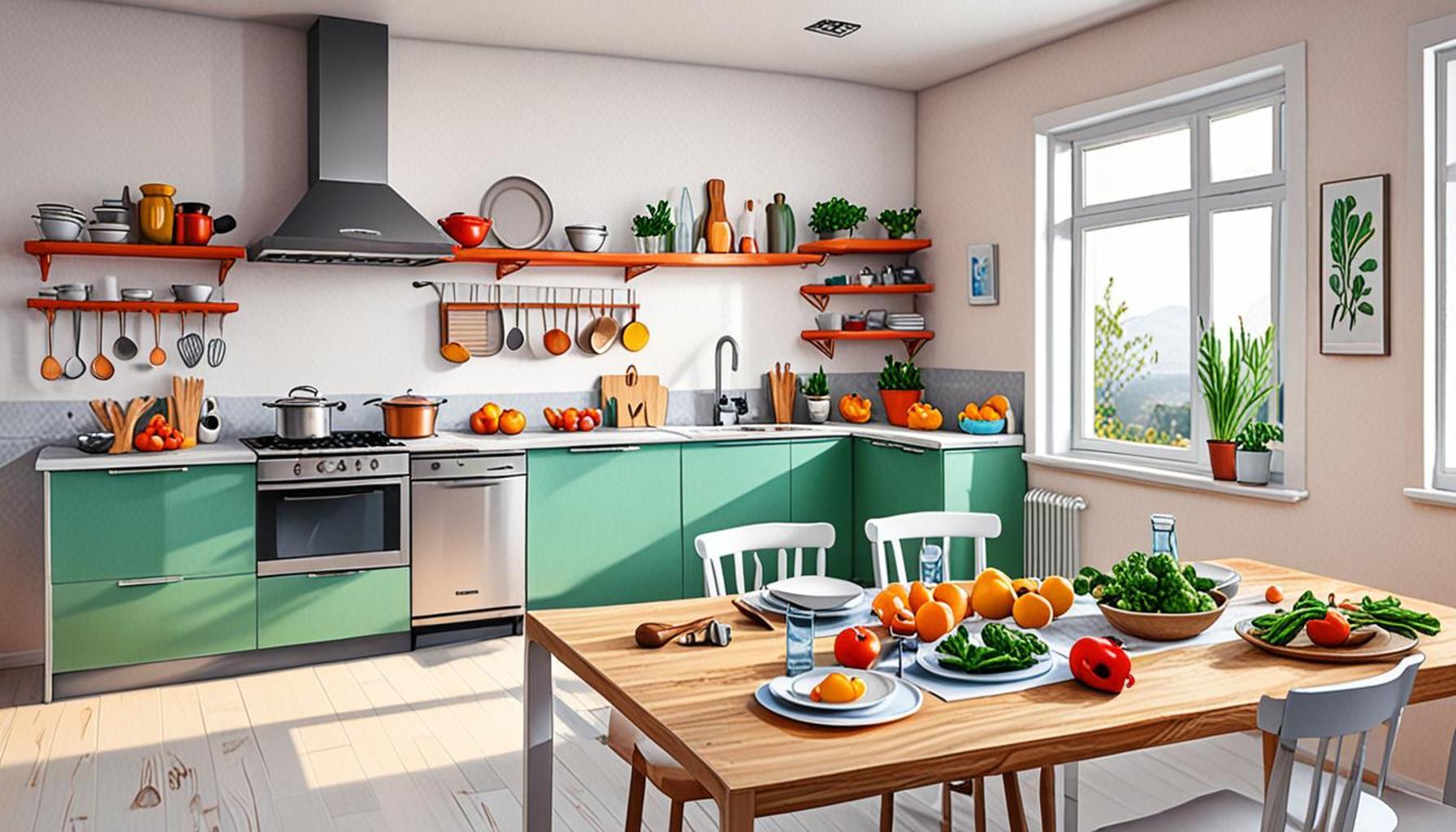
Redefining the Heart of Your Home
In the fast-paced world of today, where convenience and time are paramount, the minimalist kitchen has emerged as a transformative space that marries simplicity with innovation. As homeowners increasingly prioritize efficiency, the cluttered and overwhelming kitchen of the past gives way to a sanctuary that promotes creativity and culinary prowess. By adopting minimalist principles, individuals can redefine their cooking environments into serene, functional spaces that support an elevated cooking experience.
Key Features of a Minimalist Kitchen
- Open Spaces: A hallmark of minimalist design, open spaces facilitate easier movement and accessibility. This layout allows for the fluidity of cooking, as users can move unhindered between various areas of the kitchen.
- Fewer Appliances: Instead of a collection of single-use gadgets, minimalists prioritize multifunctional tools. For instance, a good-quality food processor can handle tasks from chopping vegetables to making dough, saving both space and money.
- Effective Storage Solutions: Innovative designs such as pull-out drawers, hidden cabinets, and vertical storage help keep countertops clear. This organization not only enhances aesthetics but also optimizes the kitchen’s functionality.
These features cultivate not just an efficient cooking atmosphere, but also an internal sense of calm. A clutter-free kitchen can help individuals focus on creating nutritious meals, supporting healthier choices while alleviating the daily stress often associated with cooking.
Benefits Beyond Aesthetics
The advantages of a minimalist kitchen extend well beyond appearance. Some key benefits include:
- Increased Efficiency: With strategically placed tools and ingredients organized efficiently, cooking transforms into an intuitive process. For example, having knives and cutting boards near the stove can streamline meal prep.
- Enhanced Focus: A less cluttered space encourages better concentration, allowing cooks to dedicate their attention to the culinary tasks at hand without distractions.
- Time and Cost Savings: A simplified kitchen often leads to reduced grocery spending; fewer gadgets mean fewer impulse buys and maintenance costs are decreased, giving homeowners more financial flexibility.
Moreover, minimalism encourages individuals to reflect on their cooking habits. By evaluating commonly used items, homeowners can discard unnecessary tools and gadgets, creating more space for important elements in their kitchen. This thoughtful curation can lead to a more pleasurable and less wasteful cooking experience.
As homeowners delve deeper into the principles of minimalism, they may uncover practical strategies that can further enhance their cooking spaces. Embracing the minimalist kitchen not only streamlines meal preparation but also allows for creative experimentation, ultimately redefining the culinary experience and making the kitchen a true heart of the home.
DISCOVER MORE: Click here to learn how a minimalist approach can boost your productivity</
Transformative Design Principles
At the core of the minimalist kitchen movement lies a set of transformative design principles aimed at revolutionizing the way we cook and interact with our kitchen spaces. These principles are not merely aesthetic choices; they are foundational elements that contribute to enhancing functionality and optimizing space. Understanding these design principles can empower homeowners to create a cooking environment that fosters not only practicality but also inspiration.
Essential Elements to Keep in Mind
When envisioning a minimalist kitchen, it is crucial to focus on essential elements that prioritize both design and utility. Here are several defining aspects:
- Quality Over Quantity: Minimalism advocates for the selection of high-quality, versatile items rather than an array of lesser-quality tools. Investing in durable cookware and well-crafted utensils can lead to a more enjoyable cooking experience, as these essentials perform reliably over time.
- Neutral Color Palettes: A calming color scheme can create an inviting atmosphere. Shades of white, gray, or soft earth tones not only reflect light but also enhance the spaciousness of a kitchen, contributing to a sense of tranquility that complements minimalism.
- Functional Layouts: Efficient kitchen layouts, such as the work triangle concept—linking the stove, refrigerator, and sink—ensure that all essential elements are within easy reach. A well-thought-out layout enhances workflow, minimizing unnecessary movement and maximizing productivity during meal preparation.
By integrating these essential elements, homeowners can create a kitchen that serves its purpose without overwhelming them. Each component should serve a function and maintain a cohesive style, leading to an environment that not only looks polished but also operates seamlessly.
Editing Your Inventory
A crucial step toward achieving a minimalist kitchen is the process of editing one’s inventory. With countless gadgets and tools available on the market, it can be easy to acquire more than necessary. Owners are encouraged to undertake a thorough assessment of their kitchen items. This involves asking critical questions about each utensil:
- When was the last time I used this item?
- Does it serve a specific purpose that cannot be fulfilled by another tool?
- Do I have duplicates or similar items that just take up space?
By answering these questions, homeowners can make informed decisions about what to keep and what to donate or discard. This curated approach not only reduces clutter but also creates an environment where each tool and ingredient has its place, simplifying the cooking process.
As individuals explore their collections, they may discover hidden gems—tools that have immense utility but were previously overshadowed by excess. Such discoveries can rekindle the passion for cooking and remove barriers to culinary creativity.
The path to a minimalist kitchen is not merely about reduction; it is about reinvention. Through intentional design and thoughtful curation, homeowners can achieve the optimum balance between form, efficiency, and personal expression—truly reflecting the heart of the modern home.
| Category | Benefits |
|---|---|
| Space Optimization | Creates a spacious cooking environment, reducing clutter and enhancing the aesthetic appeal. |
| Efficient Meal Preparation | Streamlines workflow, allowing for quicker cooking times and an intuitive arrangement of tools and ingredients. |
Embracing the concept of a minimalist kitchen involves focusing on essentials, which cultivates an immersive cooking experience. In a time where many are overwhelmed by clutter, designing a kitchen that values both form and function can be liberating. By utilizing smart storage solutions such as pull-out cabinets and built-in appliances, one can maximize every square inch without sacrificing style. Open shelving can also contribute to a light, airy feel while encouraging organization and accessibility. Moreover, adopting a minimalist approach means investing in high-quality tools and appliances that support your cooking endeavors. This not only optimizes meal preparation but also promotes sustainability by reducing the need for frequent purchases of lesser-quality items. As you delve deeper into the advantages of a minimalist kitchen, you may find that these principles extend beyond mere aesthetics; they can transform your culinary rituals into something more efficient and enjoyable.
DIVE DEEPER: Click here to learn more
Smart Storage Solutions
In a minimalist kitchen, effective storage solutions play a pivotal role in achieving a streamlined and efficient cooking space. It is essential to optimize every inch of available area while keeping the aesthetics as uncluttered as possible. Homeowners can adopt a variety of innovative storage strategies designed to enhance accessibility and organization, thus elevating their cooking experience.
Utilizing Vertical Space
One of the most underutilized aspects of a kitchen is the vertical space. By incorporating shelves, wall-mounted racks, and hooks, homeowners can store frequently used items within easy reach while keeping countertops free of clutter. For instance, open shelving not only displays beautiful dishware or potted herbs but also encourages a thoughtful selection of items that contribute to both style and function.
Additionally, utilizing tall cabinets that extend up to the ceiling can maximize your kitchen’s storage potential. Upper cabinets provide an excellent opportunity to store less frequently used items, such as seasonal cookware, without sacrificing accessibility for everyday essentials.
Multi-Functional Furniture
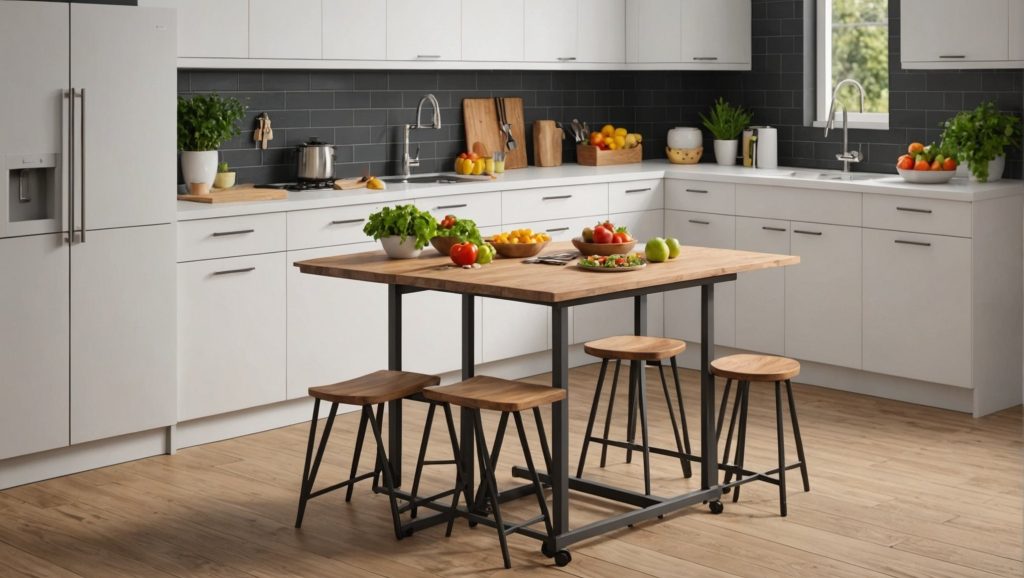
When it comes to optimizing space in a minimalist kitchen, opting for multi-functional furniture can significantly enhance usability. A kitchen island, for example, can serve as both a prep surface and additional storage or seating area. Look for built-in cabinetry or trolleys that can easily be moved around, providing flexibility depending on the task at hand.
Another great option for small kitchens is to invest in collapsible or extendable tables. These pieces can be stowed away when not in use, thus freeing up valuable space for cooking or entertaining guests.
Drawer Organization
Effective drawer organization is vital for maintaining a minimalist atmosphere. Rather than haphazardly placing utensils, consider investing in drawer dividers or organizers. These products help segregate items by type, making it easier to locate specific tools without rummaging through clutter. For example, a simple drawer organizer can house spatulas, whisks, and knives efficiently, ensuring that they remain within easy reach.
Incorporating pull-out shelves or lazy Susans within cabinets can also simplify access to pots, pans, and pantry items. By optimizing storage inside cabinets, homeowners can avoid the mess that often accompanies deep shelves, enhancing both organization and functionality.
Embrace Minimalist Appliances
In line with the concept of quality over quantity, minimalist kitchens benefit from choosing appliances that are not only high-performing but also space-saving. Multi-functional appliances, such as an air fryer that can also serve as a convection oven, streamline kitchen tasks while taking up minimal counter space. Popular choices include compact dishwashers or refrigerator drawers, which help maximize storage without sacrificing style.
It is also advisable to limit the number of appliances to those that truly enhance cooking efficiency. Consider analyzing the kitchen workflow to eliminate underused gadgets that consume space yet provide little value.
With these smart storage and design solutions, the minimalist kitchen evolves into a tailored sanctuary for cooking enthusiasts. By prioritizing functionality and thoughtful arrangements, homeowners can better tackle the demands of meal preparation while enjoying a harmonious and inviting environment.
DISCOVER MORE: Click here to learn how to simplify your life
Conclusion
In summation, the concept of a minimalist kitchen transcends mere aesthetics—it’s a philosophy that emphasizes efficiency, functionality, and space optimization. By streamlining cooking environments, homeowners can not only improve their meal preparation experiences but also cultivate a serene and organized space that fosters creativity and joy in cooking. Essential strategies such as utilizing vertical storage, integrating multi-functional furniture, and embracing intelligent organization tools play vital roles in this transformation.
The minimalist approach encourages individuals to evaluate each item within their kitchens critically, promoting a philosophy of quality over quantity. By selecting innovative appliances and storage solutions that enhance usability while maintaining a clutter-free atmosphere, cooking becomes not just a task but an enjoyable experience. This streamlined environment allows for more seamless meal preparation and encourages mindful cooking practices.
As kitchen designs continue to evolve, the minimalist kitchen stands out as an exemplary model of how less can truly be more. For homeowners looking to embark on a culinary journey marked by efficiency and elegance, adopting minimalist principles can vastly reshape their cooking experiences. As you consider implementing these ideas, remember: a well-organized kitchen is the heart of a well-functioning home, where every meal becomes an opportunity for creativity and connection.