Vertical Living: Utilizing Wall Space for Enhanced Organization in Minimalist Environments
The Evolution of Urban Living
As urban spaces continue to grow denser, one solution that has gained remarkable popularity is vertical living. This concept redefines how we utilize our homes by encouraging the use of vertical space—an often overlooked area in traditional designs. It invites creativity and innovation, breathing new life into small apartments and homes across the United States, where square footage is at a premium.
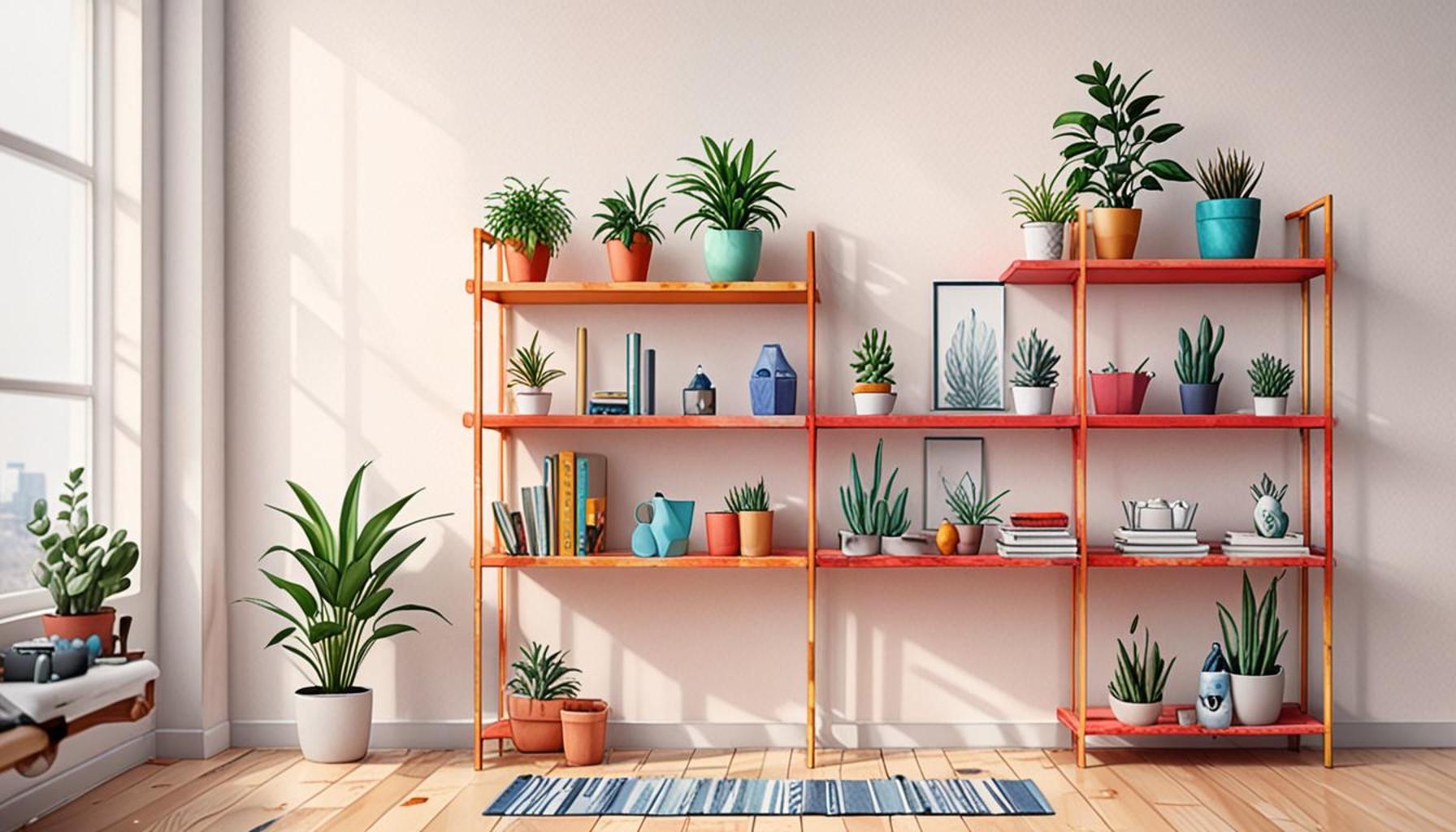
This approach goes beyond just aesthetics; it significantly enhances functionality. Consider how vertical storage options, such as tall bookshelves, hanging plants, or wall-mounted cabinets, can turn a cramped corner into a spacious sanctuary. By going vertical, individuals can introduce a sense of openness that counteracts the constricting nature of small rooms.
Key Benefits of Vertical Living
- Space Optimization: Utilizing wall space for storage not only minimizes clutter but also allows homeowners to maximize every last inch of their living area. For instance, a simple pegboard can accommodate tools, kitchen utensils, or office supplies, all while keeping items visible and easy to access.
- Aesthetic Appeal: Vertical solutions lend themselves to unique and attractive designs. For example, open shelving can showcase book collections or decorative pieces, creating an eye-catching focal point while allowing the homeowner to express their personality and style.
- Accessibility: Items organized vertically often become more reachable, as they eliminate the need for cumbersome storage boxes placed on the floor. This ease of access simplifies daily routines, whether grabbing a book from a tall shelf or a spice from a wall-mounted rack.
- Customization: Ideal for reflecting personal taste, wall-mounted systems can be tailored to fit individual preferences. Custom shelves can be made to suit a specific room dimension or design aesthetic, ensuring functionality without sacrificing style.
Moreover, integrating vertical living solutions can have psychological benefits. According to studies, a well-organized living environment can lead to increased productivity and lower stress levels. For instance, professionals working in home offices report higher efficiency when their workspace is clutter-free and well-organized, often achieved through vertical storage strategies.
As future urban living setups become increasingly compact, it’s crucial to explore how vertical living can transform homes into organized havens. Whether more shelving options, innovative hanging systems for bikes or gardening, or even magnetic wall systems for small items, the possibilities are endless. This approach not only tackles the challenge of limited space but also encourages an engaging and dynamic living experience. With the right tools and ideas, your walls could become a canvas for both creativity and practicality, offering a refreshing perspective on modern living.
DIVE DEEPER: Click here to learn about essentialism’s impact on productivity
Transforming Spaces with Vertical Solutions
As the demand for minimalist living continues to rise, the potential of vertical living extends beyond mere functionality; it also embodies a lifestyle choice that champions efficiency without sacrificing style. The traditional notion of horizontal expansion is challenged as innovative designs focus on elevating storage and organization strategies. The result is a movement that not only conserves physical space but also influences the psychological aspects of living within smaller environments.
One of the fundamental shifts in vertical living is the emergence of modular wall systems that can adapt to various needs. These systems allow homeowners to customize their environments dynamically, responding to seasonal changes or personal preferences. For example, in a recent survey by the American Institute of Architects, nearly 65% of architects reported increased client requests for adaptable living spaces, leading to a surge in designs that integrate multifunctional furniture with vertical organization methods.
Practical Applications of Vertical Living
The practical applications of utilizing wall space encompass various essential areas of home organization, from the kitchen and bathrooms to living rooms and home offices. Here are some notable innovations that exemplify vertical living:
- Wall-Mounted Storage Units: These can take the form of shelves, cabinets, or even dedicated organizer systems. Utilizing vertical cabinetry in kitchen spaces allows for the storage of pots, pans, and pantry items in an efficient manner without overwhelming countertops.
- Hanging Gardens: Vertical gardening solutions like wall planters have gained traction among urban dwellers looking to incorporate greenery in limited spaces. This method not only enhances aesthetics but also improves air quality, adding a breath of fresh air into compact interiors.
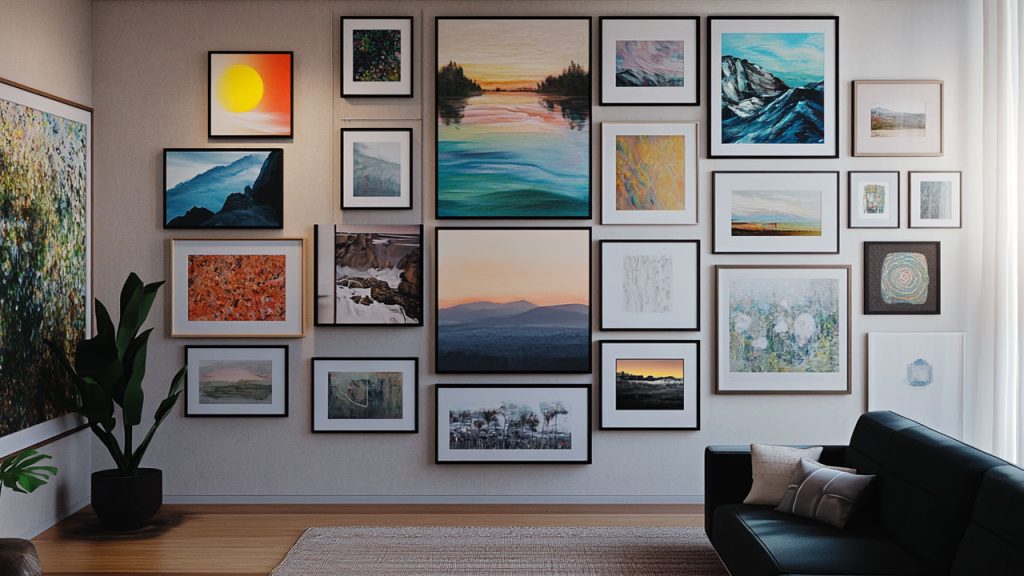
- Art Displays: Art and photographs can be arranged vertically to create striking focal points without consuming valuable floor space. This approach enhances the ambience of a room and offers a gallery-like experience in one’s own home.
- Vertical Desks: For those working from home, descending workspaces can be designed to elevate storage solutions and keep essential items within reach while saving crucial floor space for movement. These desks encourage a more organized work environment that can lead to increased productivity.
With the integration of such vertical living solutions, it becomes evident that homeowners can cultivate their spaces more thoughtfully. For instance, a New York City resident recently transformed their studio apartment using vertical racks to showcase their cookbooks and culinary tools. Not only did this maximize the usable area, but it also turned a kitchen corner into a stylish conversation piece, demonstrating how effectively vertical strategies can encourage both organization and creativity.
In addition, leveraging vertical solutions often invites sustainability into the conversation. By minimizing the need for large, bulky furniture items that occupy precious floor space, homeowners can embrace a more minimalist ethos while still achieving optimal organization. This practice also dovetails with eco-friendly trends, promoting designs that emphasize repurposed materials in wall-mounted units.
In the realm of urban living, vertical organization is not just a trend; it has become an essential practice, marrying the dual demands of efficiency and style. As we delve further into the concept of vertical living, the potential for complete transformation within minimalist environments becomes increasingly apparent.
| Category | Advantages |
|---|---|
| Space Efficiency | Utilizing wall space maximizes room functionality, freeing up valuable floor area. |
| Aesthetic Appeal | Vertical designs enhance the visual appeal of minimalist interiors, creating a sleek and modern atmosphere. |
Exploring the concept of vertical living highlights its necessity, particularly in minimalist environments where every inch counts. By focusing on wall-mounted solutions, individuals can create an innovative organization system that not only declutters living spaces but also adds an artistic element. The use of shelves, hooks, and modular storage further facilitates personalized designs, ensuring each piece fits seamlessly within your aesthetic. For instance, wall-mounted planters can introduce life into a space while maintaining an organized look. As people shift towards more sustainable living, integrating vertical gardening becomes a dual benefit—enhancing air quality and utilizing wall areas.Moreover, with the rise of remote work, creating inspiring home office setups that embrace vertical solutions can lead to increased productivity. Utilizing wall organizers not only keeps essential items close, it also reduces distractions, fostering an efficient environment. As you consider these options, delve deeper into the transformational possibilities that wall space offers in redefining your home’s functionality and charm.
DISCOVER MORE: Click here to dive deeper
Elevating Lifestyle Through Innovative Vertical Design
As the shift towards vertical living accelerates, one cannot overlook the significance of intelligent design in maximizing wall space. Innovative organizations are redefining how individuals experience and use their homes, especially in urban settings where square footage comes at a premium. This transformation is about more than aesthetics; it’s about creating an efficient, functional environment that enhances daily living.
Among the most prominent developments in this area are wall-mounted tools and gadgets designed to make life easier. For instance, homes in cities like San Francisco are increasingly outfitted with magnetic spice racks and utilitarian knife strips that free up precious countertop space in kitchens. These solutions not only provide practical organization but also allow for easy access, which is essential in compact areas. Transforming the kitchen into a more organized, sleek space can lead to a more enjoyable cooking experience.
Integration of Technology with Vertical Living
Technology is playing an important role in enhancing vertical living solutions. The rise of smart wall organizers has revolutionized how residents interact with their wall-mounted storage. Imagine a wall unit that not only holds your favorite books but also integrates charging stations for devices, LED lighting for ambiance, and even augmented reality interfaces that provide information about the displayed items. This blend of functionality and innovation signifies a major leap in embracing vertical living, particularly for tech-savvy millennials and Gen Z homeowners.
Moreover, modular furniture systems are increasingly becoming a staple in minimalist living spaces. Pieces that can be reconfigured or expanded seamlessly not only optimize space but also allow homeowners to adapt their environments on a whim. For example, a wall that holds a foldable table can transform a small dining area into a more relaxing living space. This flexibility is vital in homes where every square inch matters, allowing individuals to shift easily from work mode to leisure.
Creative DIY Vertical Solutions
The growing trend of vertical living has inspired many DIY enthusiasts to craft bespoke solutions tailored to their specific needs. Individuals across the United States are taking matters into their own hands by utilizing reclaimed wood to build custom shelves or by repurposing old furniture to create unique wall-mounted designs. These creative endeavors not only foster a sense of personal ownership over one’s living space but also feed into the sustainability ethos associated with minimalism.
One notable example is the trend of using ladders as shelving units for books or decorative items. These vertical displays capture attention without overwhelming a room, offering an eye-catching focal point that is both functional and stylish. Additionally, the use of vertical crates or boxes hung on walls creates a vibrant aesthetic while providing necessary storage. This DIY culture surrounding vertical spaces reflects a broader movement of customization and personal expression in minimalist environments.
Beyond individual applications, vertical living strategies are also influencing community designs, especially in apartment complexes that prioritize modern lifestyles. Developments featuring common areas designed with vertical gardens not only promote social interactions but also contribute to the ecological footprint of urban living. Residents find solace in green vertical spaces, which serve as a reminder of nature amidst city life, enhancing overall well-being.
As the concept of vertical living continues to evolve, the culinary, ecological, and personal benefits become increasingly compelling. With innovative designs and community influences paving the way, it’s clear that the integration of vertical organization strategies in minimalist environments plays a significant role in improving the quality of life for many. Embracing vertical solutions is about creating not just a home, but a lifestyle that incorporates functionality, creativity, and sustainability into daily living.
DISCOVER MORE: Click here to find out how
Conclusion: Embracing Vertical Living for Modern Life
In summary, the concept of vertical living has emerged as a dynamic solution for enhancing organization in minimalist environments, especially in urban settings where space is often at a premium. By maximizing wall space and integrating innovative design elements—such as wall-mounted storage, technology integration, and bespoke DIY projects—individuals can create functional, efficient, and aesthetically pleasing homes.
As we have explored, the adaptability of modular furniture and the creativity of customized vertical solutions not only meet the practical needs of residents but also serve as a canvas for personal expression. This movement reflects a broader lifestyle choice that embraces sustainability and simplicity. The rise of smart technologies further enriches the vertical living experience, making our homes more aligned with the demands of modern life.
Moreover, the influence of vertical living extends beyond the confines of individual apartments, promoting well-being and community building in shared spaces. As urban areas continue to evolve, prioritizing designs that incorporate vertical gardens and collaborative living spaces can foster deeper connections among residents while enhancing their quality of life.
Ultimately, as the trend of vertical living gains momentum, it invites residents to rethink their approach to home organization. By adopting these strategies, individuals not only create a more organized and functional living environment but also embrace a lifestyle that champions creativity, efficiency, and sustainability. The future of urban living is here, and it is beautifully vertical.